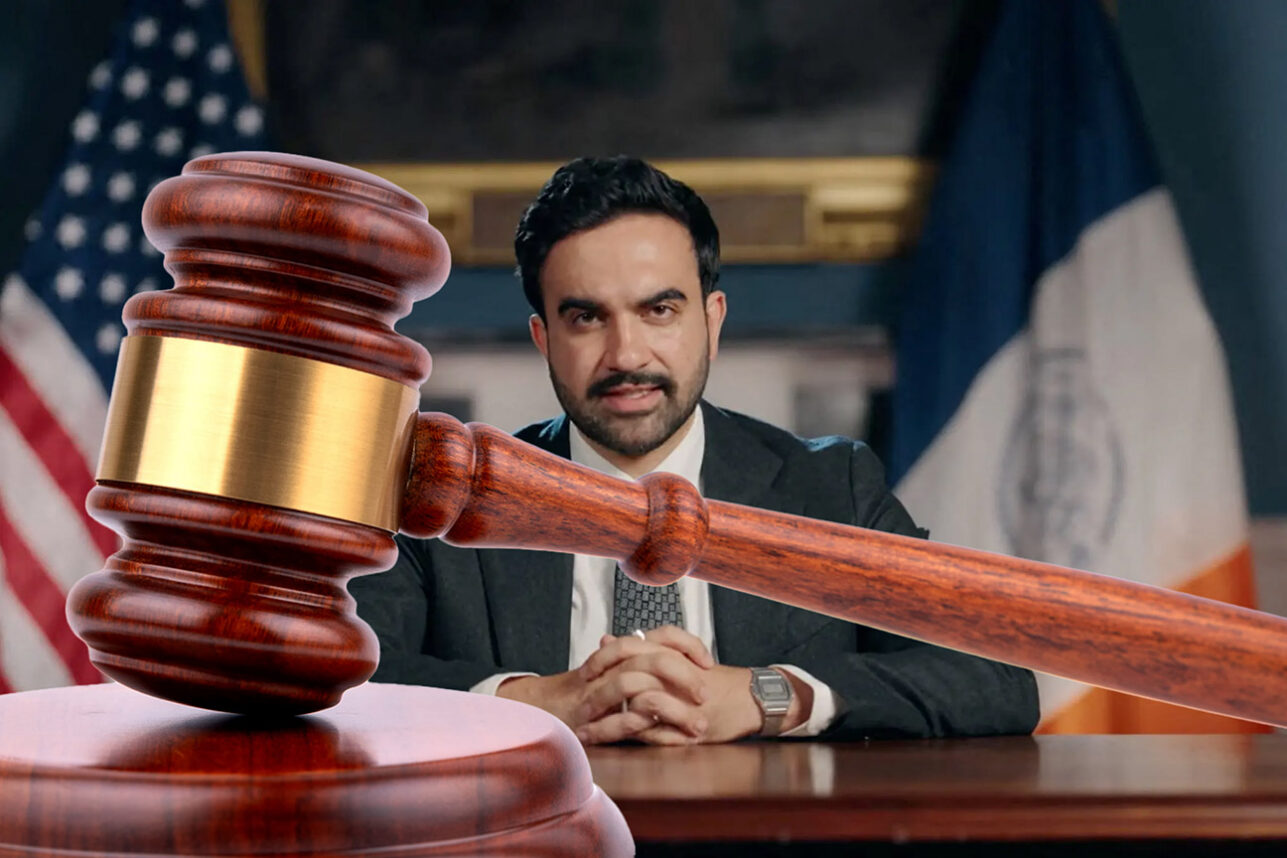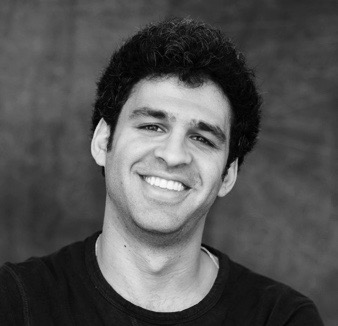
Two days after the election, Zachary Rodham — a senior at USC and the nephew of the just-defeated Democratic presidential nominee, Hillary Clinton — was in the midst of drafting an email to his aunt. But he was having trouble finding the right words.
“Hard for me to figure out what to say,” the 21-year-old said. “I’m sure what she’s feeling — I’m sure she’s feeling something pretty similar to all of us rooting for and supporting her campaign.”
The student in the USC Cinematic Arts undergraduate program said he was still stunned and feeling disappointment.
“The past 48 hours since election night … people [have been] reaching out to me like somebody in my family passed away, and, in a way, something did pass away — the energy surrounding her campaign is gone,” he said. “After [Donald] Trump got elected, you go through the five stages of grief [and] accept the reality that he is now going to be the president of the United States of America.
“I didn’t really think that was possible because of all the polls and everything everybody was saying to me. It made me sure about [a Clinton win], although I always had a tinge of doubt: What if people come out of the woodwork? There are so many secret Trump supporters out there we didn’t know about going into the election.”
Rodham’s father is Tony Rodham, his mother is Nicole Boxer and his grandmother is retiring U.S. Sen. Barbara Boxer of California. The Jewish student said he is active at the USC Hillel and a member of Sigma Alpha Mu, historically a Jewish fraternity.
Originally from Washington, D.C., he said he registered to vote in Virginia and sent in an absentee ballot.
“I figured my vote would count more in Virginia, so I registered there,” he said.
Rodham spent election night in New York with family, including relatives of Chelsea Clinton’s husband, Marc Mezvinsky, and Bill Clinton’s half brother, Roger, at an Italian restaurant and at the Peninsula hotel, and he recounted being shocked as the results were reported.
“As the returns came in and kept coming in, the mood turned dour and intense,” Rodham said. “We were all in shock, all in disbelief, couldn’t believe it was happening, especially after everything we were anticipating.”
He continued, “It helped me realize what kind of liberal bubble or echo chamber I’m in. I went to a private school in D.C., grew up there, can count on two hands how many people from the other side — how many Republicans — I knew, and you could almost say the same thing out here. … The community I’m in, it’s very liberal, very progressive.”
He noted what many pundits have been saying in the aftermath of the surprising election result: “More than ever, I am feeling like we are dealing with some sort of strange separation, one side is completely happy with this result and the other is mourning.”
Rodham also spoke of troubling incidents that have occurred at USC, underscoring racial divisions in the age of Trump.
“SC had a few incidents after [the election] happened: two Black students, verbally assaulted is the way I put it. … I couldn’t believe that happened on my campus, [which is] supposed to be a beacon of diversity and inclusivity, and it’s just really devastating to me these people now feel like these views are acceptable,” he said. “It’s unbelievable to me Trump has given these people a voice.”
As for the protests that have broken out in the aftermath of the election, Rodham denounced the violent turn that some of them have taken.
“I support the protests but I don’t advocate for the violence, burning police cars, looting, etc. But it is within our constitutional right to be unhappy and protest,” he said. “We can’t change the results from these protests, but it is venting our frustration with the results and I couldn’t support that more.”
Meanwhile, Rodham said Judaism plays an increasingly important role in his life.
“I didn’t grow up practicing, he said. “I haven’t bar mitzvahed yet. This past summer, I went on Birthright, and I think that had a positive impact on me and my relationship to Judaism.”
He added, “I’m only just wondering what Holocaust survivors are thinking about what’s going on right now, finding out where they stand on electing Donald Trump. Are they thinking this is a repeat of something that happened earlier? Ironic enough it happened on the anniversary of Kristallnacht — I think it’s a harrowing, strange coincidence.”