EITAN WERNICK, 19
HIGH SCHOOL: YULA Boys High School
GOING TO: Yeshivat Darkaynu, Israel
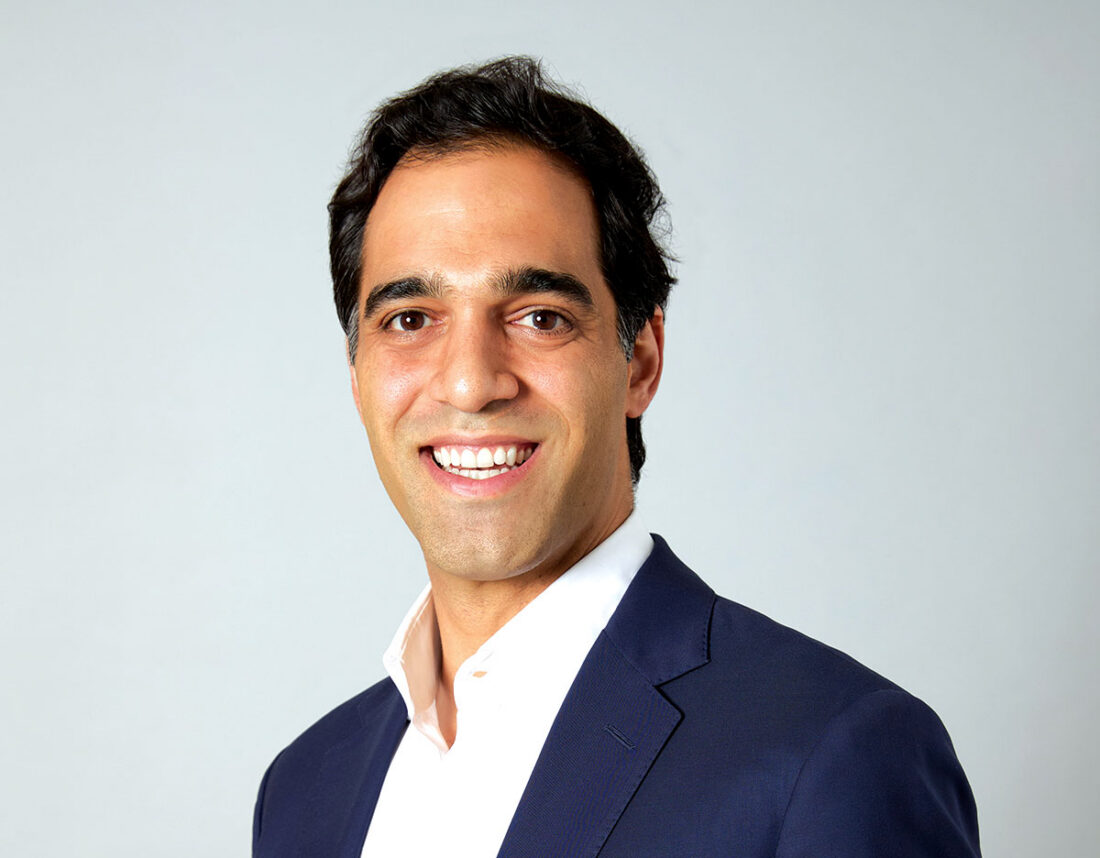
Among his 12th-grade classmates at YULA Boys High School, Eitan Wernick doesn’t feel like a “special needs” person.
Instead, he said in an interview, “I’m a high school person.”
Eitan’s story is remarkable not because he has Down syndrome, but because his education has taken place entirely in an inclusive environment — which is to say, surrounded by typical kids — and because he’s given back as much as he’s been given.
“He taught all of us so much more than we ever taught him,” said Rabbi Joseph Schreiber, YULA’s dean, citing Eitan’s deep sincerity and infectious smile.
Starting his Jewish education in nursery school at Gindi Maimonides Academy in West Hollywood, Eitan, 19, has missed few opportunities to engage his environment.
He is co-chairman of the YULA Chessed Committee, a student council position that puts him in charge of social justice programming, and the manager of the baseball team, where his job is simply to “make sure my players are OK,” he said.
One of Eitan’s duties is to give a motivational speech each time the team plays.
He’s also active in Yachad, a Jewish organization for people with disabilities in L.A.
Eitan, the oldest of three siblings, projects what one of his teachers, YULA Principal Rabbi Arye Sufrin, called “a magnetic personality.”
Sitting back on a couch in his Beverlywood living room recently, wearing sweatpants and a blue polo shirt, Eitan repeatedly staved off his parents’ attempts to steer an interview with a Jewish Journal reporter, before collecting himself and returning to the topic at hand.
Though he speaks with an impediment, it doesn’t obscure his charisma, and he has a tendency to round out an interaction with a smile and a hug. His manner has won him a lifelong group of close friends, whom he referred to as “my crew.”
“They don’t talk to him differently,” said his mother, Rachael Wernick. “They look after him when they need to, but he’s sitting around with the guys on Shabbos afternoon like anybody else.”
Eitan takes the idea of inclusion to its fullest extent: His mother recalled that he once jumped in the middle of two fellow students who were fighting.
“He sort of inserts himself, no matter what,” she said. “And he may one day get hurt, but the truth is that … somehow there’s a smile on everybody’s face.”
In a joint interview, Schreiber and Sufrin said the school had gained immeasurably from having Eitan as a student.
“One of my concerns next year is I don’t know how YULA is going to be without Eitan Wernick,” Sufrin said.
Schreiber concurred: “It definitely will not be the same place — no question.”
Rachael said she and Eitan’s father made the decision to seek an inclusive education for their son because there were no options for children with special needs to partake in full-time Jewish education.
By enrolling him in mainstream classes, they hoped to give him a chance “to be part of the community and to feel joyful and prideful of his Judaism,” she said.
In class, he receives support from “Morah Rebecca,” a classroom aide who helps translate the class material to a level and format that suits Eitan’s abilities.
When it comes to his academic achievements, his mother said, “Obviously his essay isn’t going to look like someone else’s essay,” but that’s more or less beside the point.
“For us, his goal was social and emotional, not academic,” she said. “That’s not to say he didn’t learn, but it was a different path, a different goal.”
Inasmuch as his Jewish education aimed to inculcate Eitan with religious values and a love of Torah, it seems to have worked.
He described his Saturday routine as “sleep, eat, sleep, and then learn,” and said that sharing Torah with friends is among his favorite activities. Like other teenagers, he enjoys watching videos online — except his favorite videos to watch are “shiyurim,” or lessons.
In October, he’s traveling to Israel to study at Darkaynu, a yeshiva for special needs adults near Jerusalem in the West Bank.
By sparing him no opportunity or outlet for Jewish engagement, his parents may have started something they no longer have the power to stop.
“Now, he’s at the point where he’ll just push his way in,” his mom said. “He doesn’t let anybody say no to him.”