Parashat Noah, the second portion in the book of Genesis, is perhaps the most universally known and adored in all the Torah, at least by children. This is, in part, because it features every animal boarding the ark two by two. So beloved and recognizable is this Torah portion that we tend to forget there is more to it than the animal pairs, the dove and the rainbow. Tucked in at the end of the book, which bears our ancient shipbuilder’s name, is a small and poignant story about how Noah’s descendants focused their energies after the waters and their fears receded.
“All the earth had the same language and the same words” we are told, and they gathered in the land of Shinar and said, “Come, let us build a city with a tower that reaches the sky, so that we can make a name for ourselves and not be scattered over all the earth” (Genesis 11:1-4).
A midrash explains the madness of this endeavor: “Many, many years were passed in building the tower. It reached so great a height that it took a year to mount to the top. A brick was, therefore, more precious in the sight of the builders than a human being. If a man fell down and met his death, none took notice of it; but if a brick dropped, they wept, because it would take a year to replace it. So intent were they upon accomplishing their purpose that they would not permit a pregnant woman to interrupt herself in her work of brick making when she went into labor. Molding bricks she gave birth to her child, and, tying it round her body in a sheet, she went on molding bricks” (Yashar Noah).
I once asked a friend, who happens to be a bricklayer, how he measured the value of his day. He explained that a 1,000-brick day is a good day.
What daily standard should I use to measure my own accomplishments? As a parent, I could say it’s getting the kids washed, fed, off to school and soccer, and then getting them back home again, homework done, teeth brushed and in bed at a reasonable hour. As a professional, I could say it’s getting to work on time, responding to all my e-mails and messages, meeting with clients, acquiring new business and getting home in time for dinner with my family.
What makes those good days, however, cannot be measured like counting bricks. It is not the quantity of work I do nor the interactions I have — it’s the quality.
The bricklayer, if reasonably competent in his task, can be irritable, anti-social, half-asleep or daydreaming as he lays each brick. He can take his anger out on the bricks or curse at the bricks as he shleps them up the wall. He can listen to music or talk on his cell phone. It doesn’t matter as long as the wall is solid at the end of his day and it contains 1,000 bricks. That’s a good day of bricklaying.
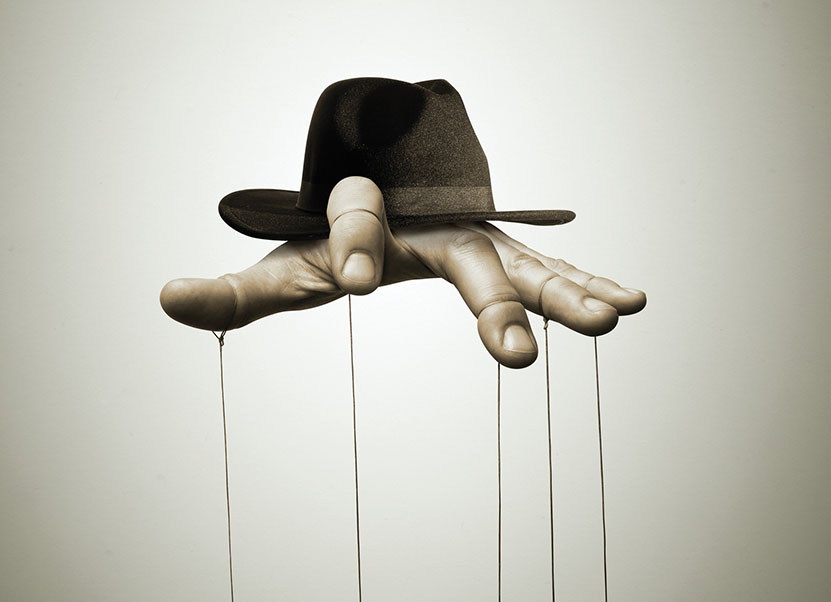
People are not bricks. We can’t take our anger out on them without consequence. We can’t ignore people or tune them out if the purpose of our day is to interact with them with care, compassion and attention. The great sin committed by the builders of the Tower of Babel was that they treated the people like bricks and the bricks like people. They wasted the one thing that sets all of us apart from mere objects — they neglected their humanity. When the bricks of our life become more important than the people in it, we also build a tower that is an affront to the purpose of our creation.
The midrash continues that after God confounded the people’s language and scattered them throughout the globe, the tower remained: “A part sank into the earth, and another part was consumed by fire; only one-third of it remained standing. The place of the tower has never lost its peculiar quality. Whoever passes it forgets all he knows.”
When we treat people like bricks, we forget what we know about ourselves and about others. We forget that the measure of our day is not how many bricks we lay, how many e-mails we respond to, how many lunches we pack or children we shlep. The measure of our day is whether the people we touch — and ourselves, in turn — feel valued as human beings. The measure of our day is not some quantity to be added up, but to feel our true human value as a blessing and gift from God.
Dan Moskovitz is a rabbi at Temple Judea (templejudea.com), a Reform congregation in Tarzana. You can follow him on Twitter @rabbidantj.
Parshat Noah from G-dcast.com
More Torah cartoons at www.g-dcast.com