Prof. David Myers wrote
It is with deep sadness that I pass on news of the death this morning of Prof. Yosef Hayim Yerushalmi, Salo Baron Professor of Jewish History, Culture and Society Emeritus at Columbia University. Yosef Yerushalmi was the towering Jewish historian of his generation, possessed of vast erudition, analytic acuity, and stylistic virtuosity.
Born in New York in 1932 into a trilingual home, Yosef Yerushalmi received his B.A. at Yeshiva College (1953) and rabbinical ordination at the Jewish Theological Seminary (1957) before completing his Ph.D. at Columbia University in 1966. Yerushalmi wrote his dissertation under the guidance of his mentor, Salo Baron. This study was the basis of Yerushalmi’s first, award-winning book /From Spanish Court to Italian Ghetto /(1970), a work that established him as one of the most nuanced students of Iberian Jewish history and the /converso/ condition of his time. In his last years, Yerushalmi was at work on on a decades-long project: a major translation and series of studies devoted to Salomon ibn Verga’s /Shevet Yehudah/.
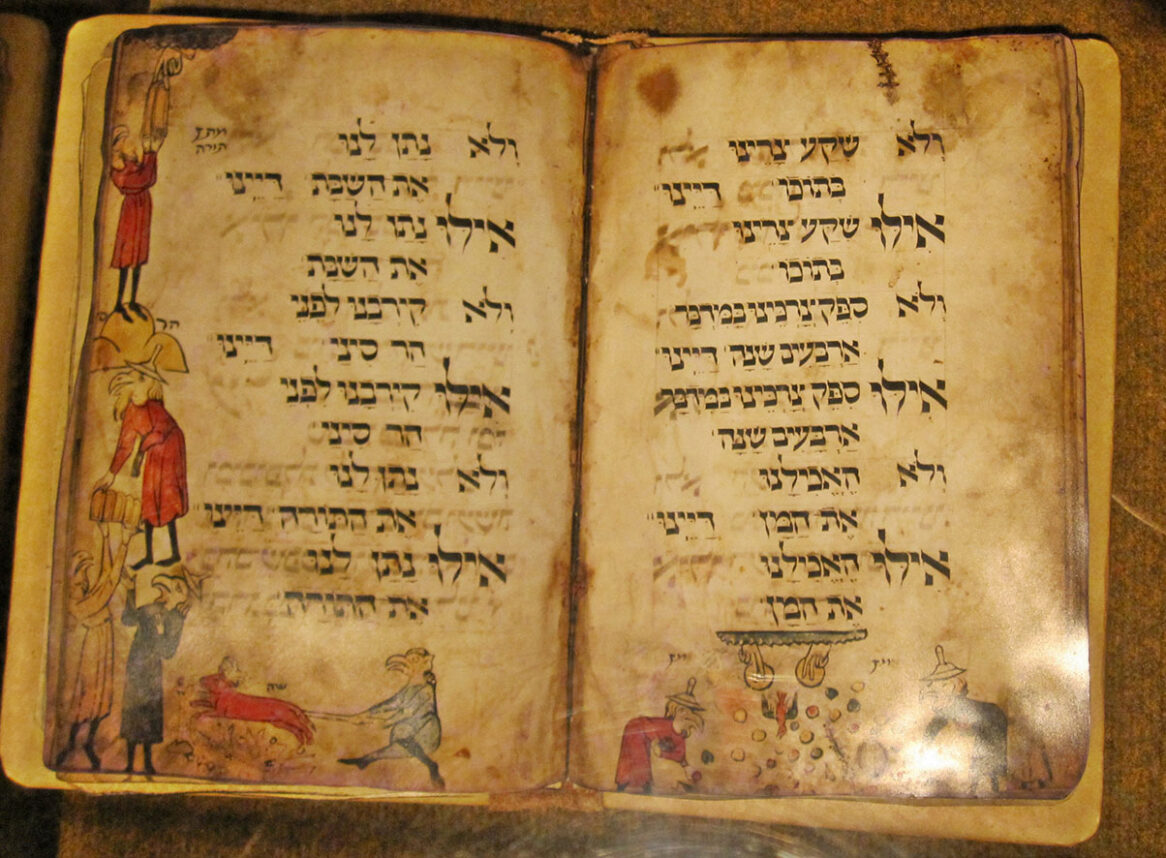
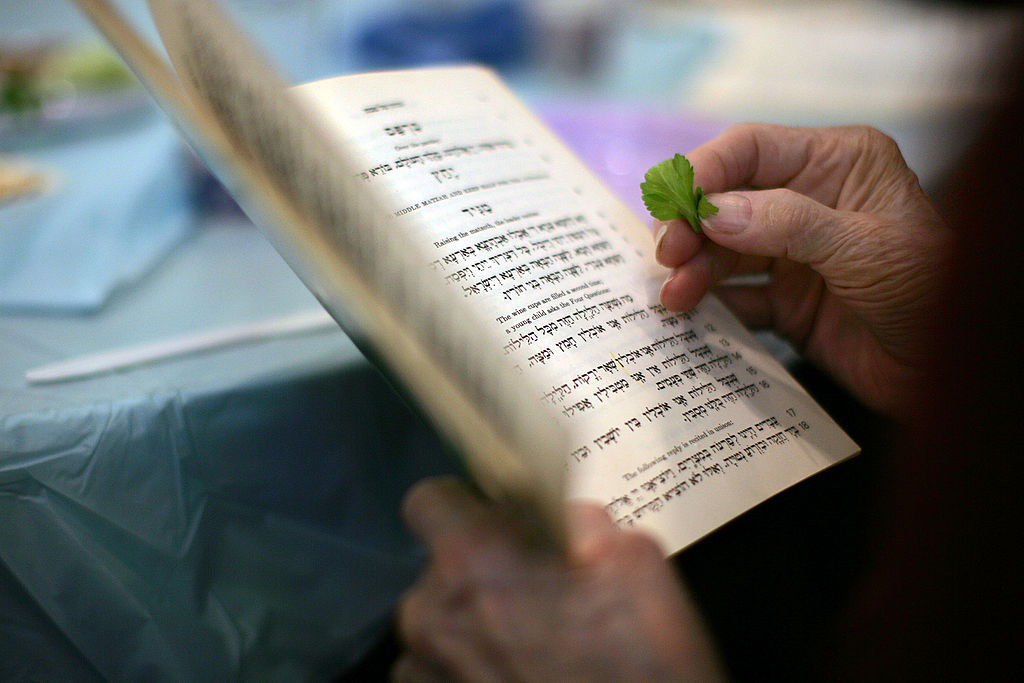
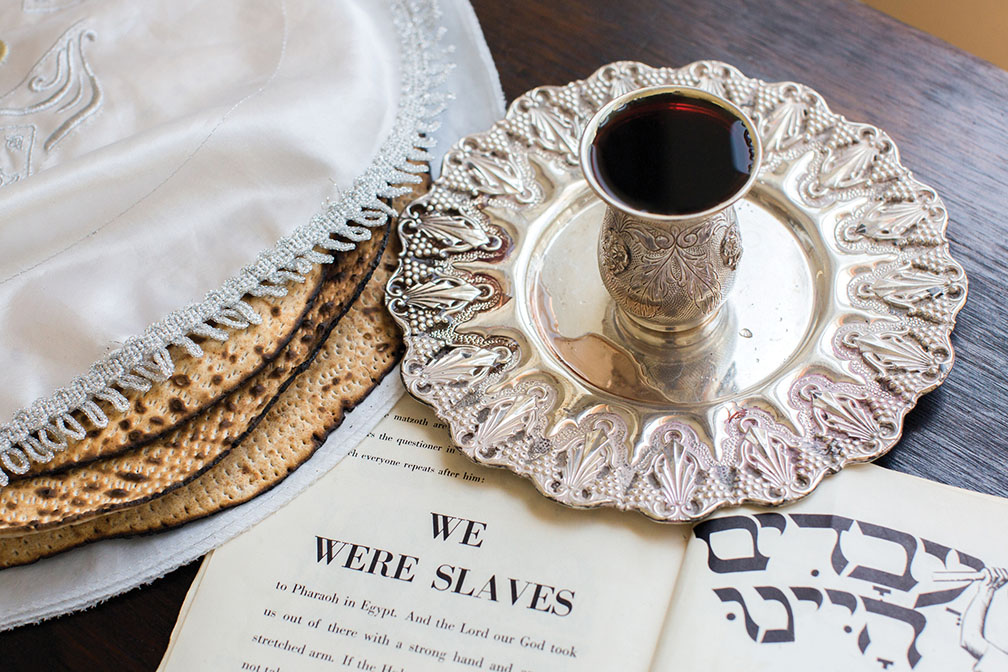
And yet, it was a measure of Yerushalmi’s restless mind and personality that he moved far afield of Iberia after /From Spanish Court/. His rare capacity to traverse the entire terrain of Jewish history was evident in /Haggadah and History /(1975), and even more significantly, in /Zakhor: Jewish History and Jewish Memory /(1982). This short volume not only covered a vast historical time span with great skill and lyrical grandeur; it essentially invented a new discourse in the field of Jewish studies: the discourse of history and memory. Yerushalmi’s sweeping synthesis in /Zakhor/’s/ /first three chapters—and the probing meditations on the modern historian in the fourth—enlightened and moved scholars and lay readers alike Many followed in Yerushalmi’s wake. He himself continued to explore the relationship between history and memory, albeit from a different angle, in his /Freud’s Moses: Judaism Terminable and Interminable /(1993).
In addition to his status as a brilliant and elegant scholar, Yosef Yerushalmi was a devoted and demanding teacher. His many doctoral students, whom he regarded as his most valued scholarly legacy, have gone on to positions of prominence in universities throughout North America, as well as in Europe and Israel. All who knew him, but especially those privileged to study under his tutelage, were touched by his unique personality.
Yosef Hayim Yerushalmi is survived by his wife, Ophra, a concert pianist, and a son, Ariel. /Yehi zikhro baruch/.
Prof. Elisheva Carlebach wrote:
Professor Yosef Hayim Yerushalmi was a great historian, eloquent speaker, and poetic writer. Today, upon hearing of his passing, I want only to remark on the void he leaves as a teacher and mentor. Professor Yerushalmi labored over the intellectual development of each person who came to study with him, to match his or her abilities and strengths with the needs of scholarship and the discipline. His brilliance in the lecture hall was balanced by his attention to the well being of each student; his disciples have developed into leading scholars in their own right. None of them will ever forget the role he played in shaping their thinking, the hours he spent discussing ideas, and the efforts he made to forge bonds among the students. He left a very rich legacy and he will be greatly missed. Yehi zikhro barukh.