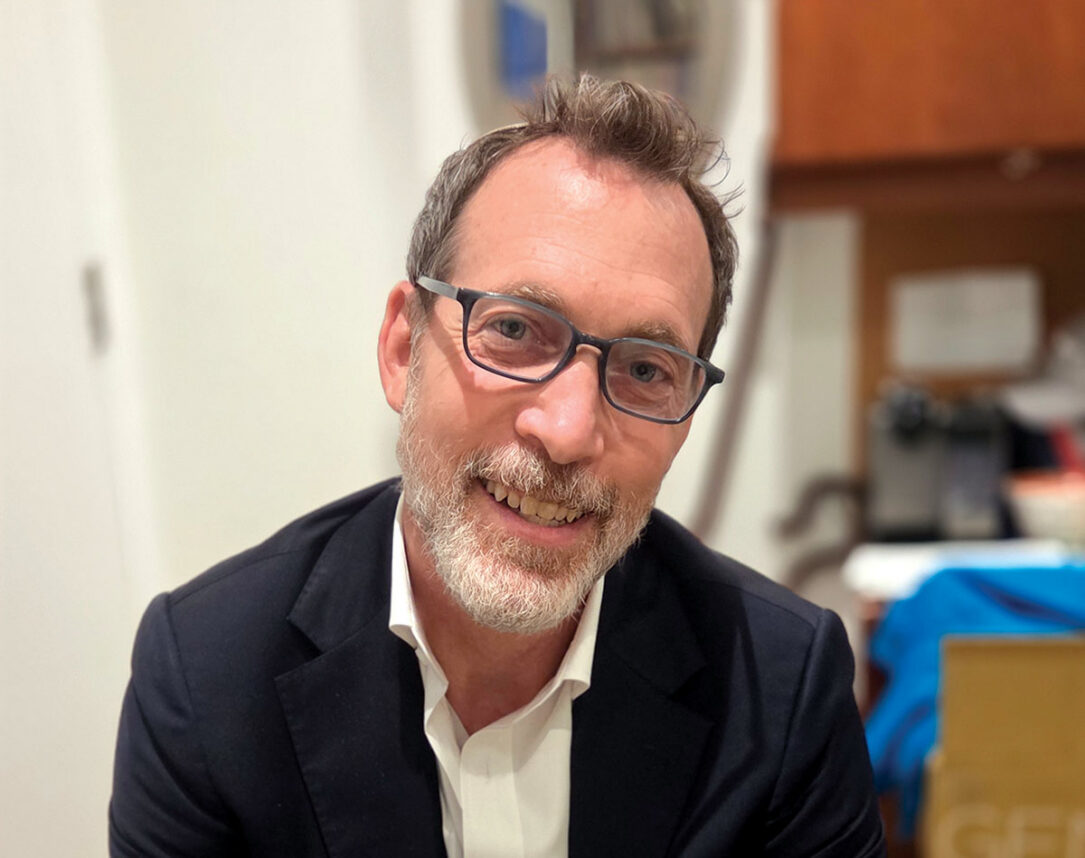
André Previn, whose Career in classical, jazz and popular music spanned more than seven decades — during which he won four Academy Awards and 11 Grammy Awards and led the Los Angeles Philharmonic for four years — died Feb. 28 at his home in New York City. He was 89.
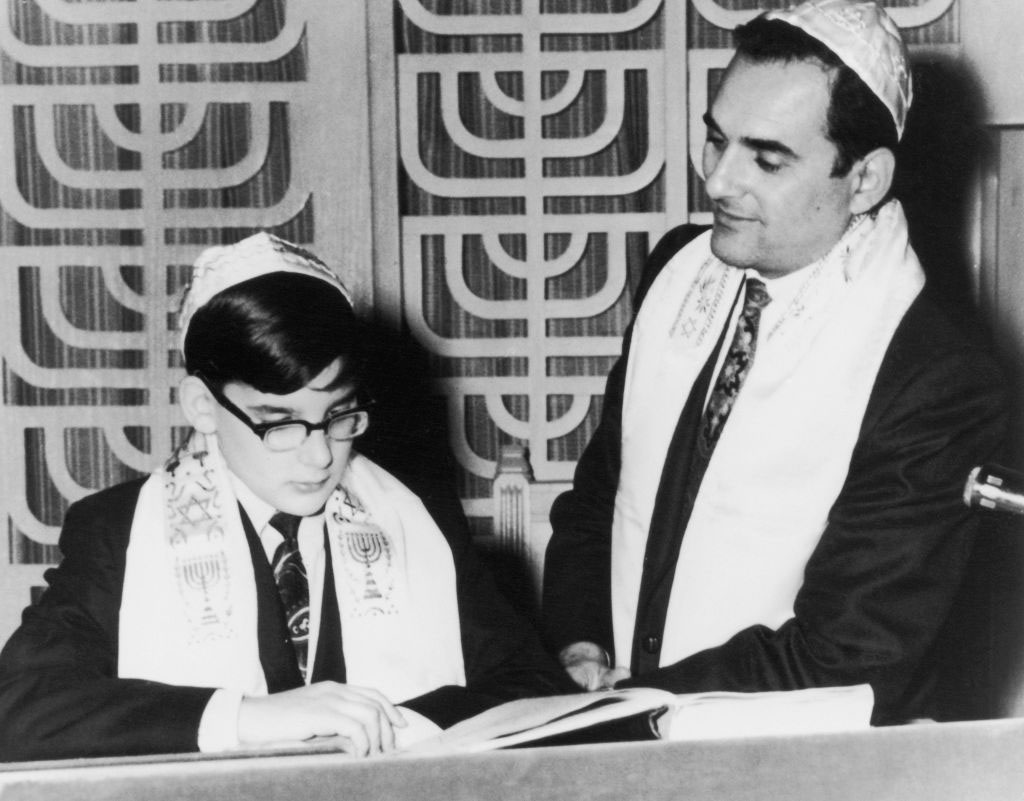
Andreas Ludwig Priwin was born on April 6, 1929, in Berlin, the youngest of Charlotte and Jakob Priwin’s three children. The pianist showed musical aptitude from an early age and enrolled in the Berlin Conservatory at age 6. In 1938, he was denied entry to the school’s building because he was Jewish, and the family left Germany for Paris, where it stayed for a year before emigrating to the United States and settling in Los Angeles.
Success came quickly for him in America. While still in high school, he arranged music for MGM and wrote the first of his more than 50 film scores, for the 1949 Lassie vehicle “The Sun Comes Up.” He explained his rapid rise to British newspaper The Guardian in 2005: “They were always looking for somebody who was talented, fast and cheap, and, because I was a kid, I was all three.”
“They were always looking for somebody who was talented, fast and cheap, and because I was a kid, I was all three.”
— André Previn
The work was mostly on B-movies, but by the late 1950s he was getting more prestigious assignments. He won Oscars for his musical score for “Gigi” in 1959 (original music by Frederick Loewe) and adapting the music for “Porgy and Bess” (1960), “Irma La Douce” (1964) and “My Fair Lady” (1965). A fan of jazz pianist Art Tatum, Previn led a trio that performed at the Newport Jazz Festival and recorded with jazz greats including saxophonist Benny Carter, guitarist Barney Kessel, drummer Shelly Manne and singers Ella Fitzgerald and Doris Day. He tried his hand on Broadway, composing the music for “Coco.” The show, based on the life of French fashion designer Coco Chanel, with lyrics by Alan J. Lerner and starring Katharine Hepburn, ran for 329 performances in 1969 and 1970.
His career moved in a surprising new direction when he decided to quit film work and accept the job of principal conductor of the London Symphony Orchestra in 1968, a position he held for 10 years. He was named the music director of the Pittsburgh Symphony in 1976. A year later, his appearances on the PBS series “Previn and the Pittsburgh” expanded his renown.
Previn returned to Los Angeles in 1984 as the music director of the Los Angeles Philharmonic, but he clashed with the orchestra’s management and left the podium after four years. He continued composing until the end of his life, including two operas — both based on movies adapted from stage plays (“A Streetcar Named Desire” and “Brief Encounter”). A duet for violin and piano commissioned by Carnegie Hall, “The Fifth Season,” received its premiere last year. A piece commissioned by the Los Angeles Philharmonic as part of the orchestra’s centennial celebration is scheduled to premiere this fall.
A glamorous, youthful figure, Previn was famous as much for his personal life as for his music. He was married five times, most notably to actress Mia Farrow in 1970; his other marriages were to jazz singer Betty Bennett (1952), singer/songwriter Dory Previn (nee Langan) (1959), Heather Sneddon (1982) and violinist Anne-Sophie Mutter (2002). All ended in divorce.
In addition to his Oscars, Previn won 10 Grammys, including a lifetime achievement award in 2010. He was knighted by Queen Elizabeth II in 1996 and received a Kennedy Center Honor in 1998. A fine writer, he wrote an acclaimed 1991 memoir “No Minor Chords: My Days in Hollywood.”