Until the most recent decades in history, age was a gift. Those who lived to a ripe age were revered for their wisdom, and considered a great blessing to society. Though times have changed, what God said about advancing in years is still just as relevant as it ever was. The Torah has interesting things to say to the young and old about His views on aging.
What the Torah Says to Younger People About Aging
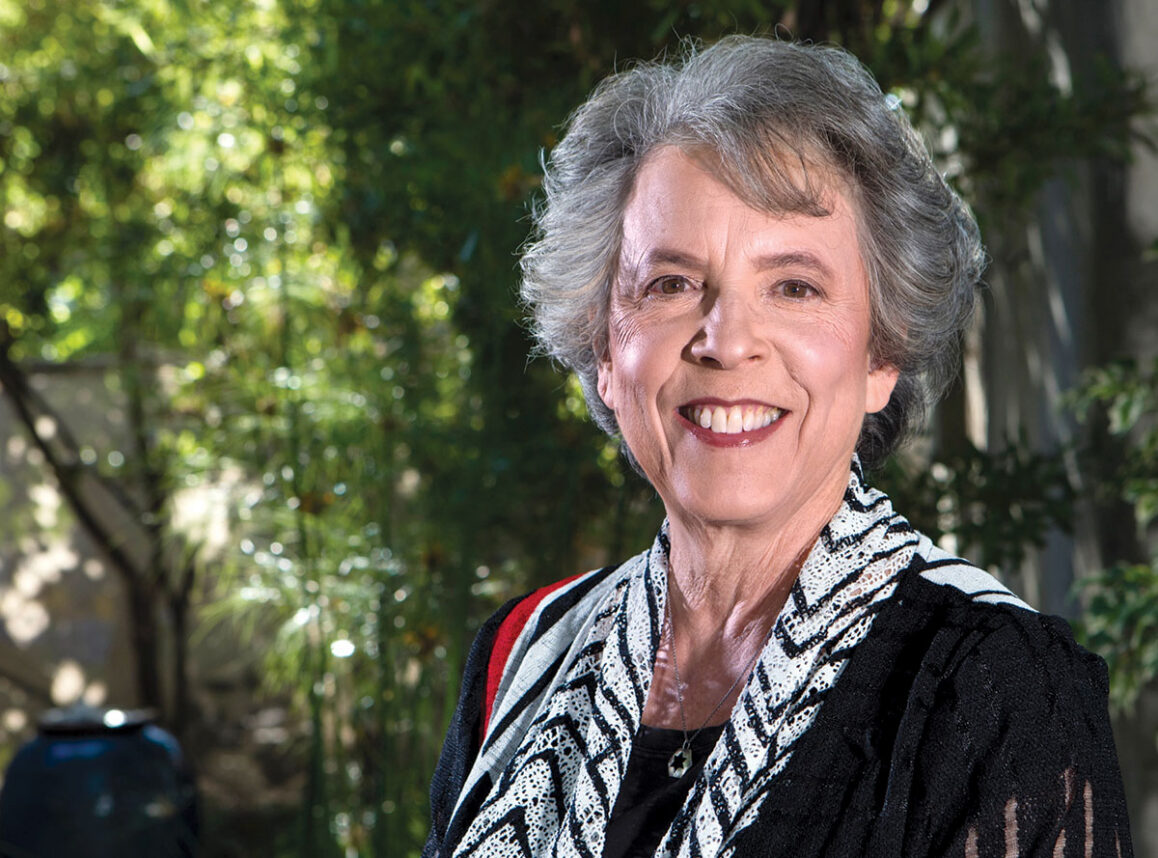
If you travel by bus in Jerusalem, you'll see a sign bearing the scripture of Leviticus, 19:32, which reads, “Before the white head you should rise.” In this case, the sign implores young people with fit bodies to stand and defer their seats to elderly passengers. But Rabbi Iscah Waldman points to another, deeper meaning of this verse.
In the Torah, age brings wisdom, and wisdom is a quality to be respected, admired, and honored. The judges, in fact, were called Zekeinim, which is translated into “elder.” Throughout the Bible, God has saved His most important work for people after they have matured in spiritual matters.
What the Torah Says to Older People About Aging
In Pirke Avot 5:24 and Psalms 90:10, God lays out His plan for how people are supposed to prepare for their life's work. Through the teen years, the Jew should study the Bible, Mishnah, the Commandments, and Talmud. By twenty, the Jew's life work begins, but he does not take positions of authority until age 30. Age 40 brings discernment, and by 50 the Jew is ready to counsel others. Not until age 60 is a man considered an elder, and is endowed with special strength at age 80.
Aging might bring less physical strength or a slower body, but it also brings wisdom, which is a virtue and a blessing. Those who hide away from the world during these “slow years” don't fulfill the purpose of the wisdom they spent years accumulating.
Examples of God's Use of Age
Many of the most important biblical characters did not do their true work until an advanced age. Abraham was 100 when Isaac was born. Moses was 80 when God sent him to deliver the Israelites out of Egypt. Noah was 600 when he built the arc. God gave these men many formative years in which to build the knowledge, wisdom, and skills necessary to fulfill their important tasks.
How to Apply the Torah's Teachings Today
Clearly, God never meant that aging people should step out of society and let the younger generation learn by trial and error. The wisdom and knowledge that only decades of life experience brings is the only way for the next generation to build on what has come before. Older citizens should consider the most active and engaged lifestyle possible at Jewish retirement communities like Fountainview at Gonda Westside. Here, they can be as independent as possible, while refusing to let their virtue of wisdom go to waste.
As a Jew, choose to age with dignity. Remember, the Torah encourages respect and admiration for the aged, and encourages the aged to use their wisdom for the benefit of their ancestors. No matter what modern society says, these words are true for all eras of history.