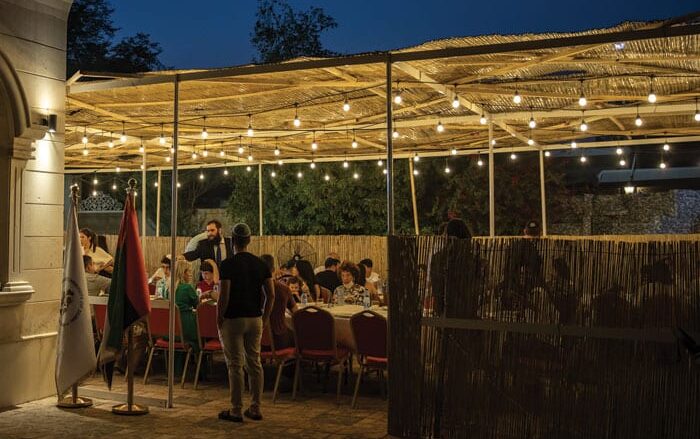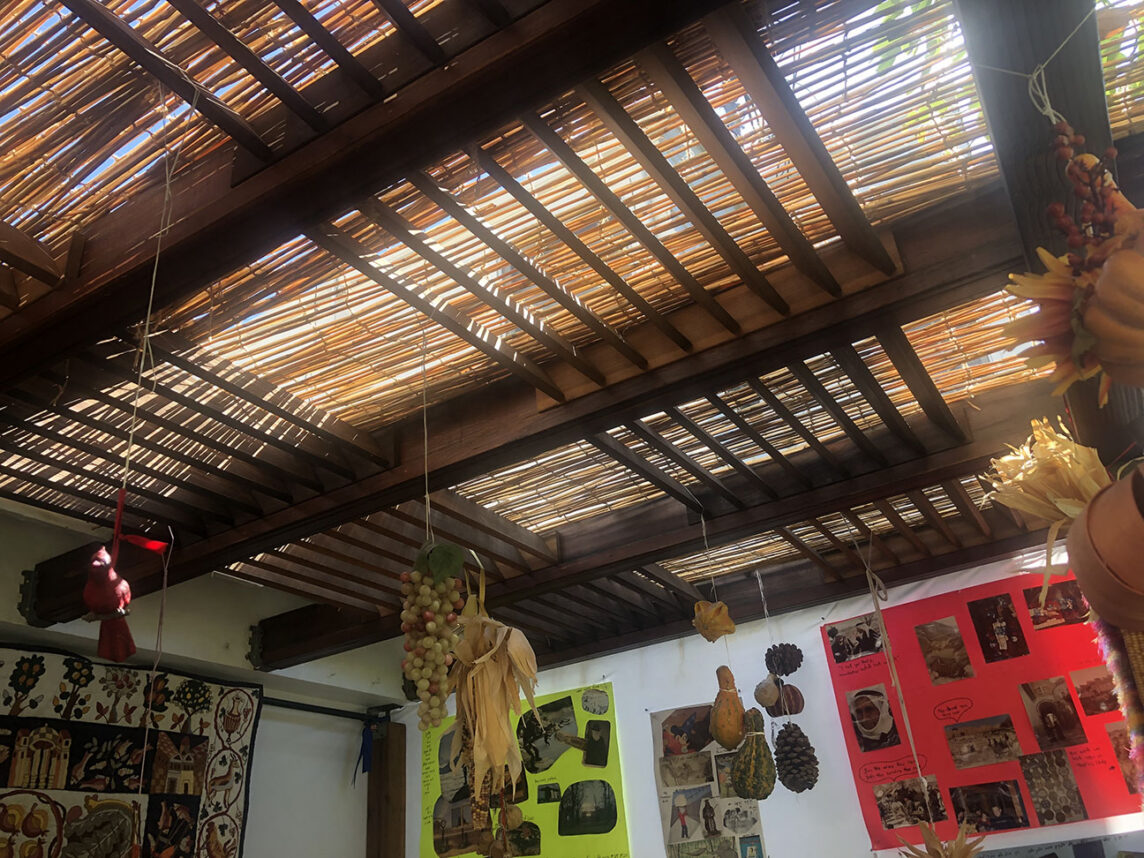

There is one piece of Jewish law regarding the sukkah that stands out to me. Once the weeklong Sukkot festival is over, how long do you have until you must take it down?
The answer is both meaningful and practical—one has as long as they would like to take it down, but you may not use the schach—the same rooftop material—for your sukkah next year. So, if you are busy—take your time, but this sukkah may not be exactly the same sukkah you use next Sukkot.
When I traveled with the Board of Rabbis to Israel in November 2023, upon my return, many asked what stood out when I visited the southern region of Israel—where just weeks earlier, Hamas entered kibbutz after kibbutz, committing the most brutal day of murder on the Jewish people since the Holocaust. One image that came to me then and continues to haunt me now were the sukkahs—the once filled with joy, the once filled with laugher, food, singing, celebrating sukkahs. Sukkahs that now stood lonely, grieving, riddled with bullet holes, empty of life sukkahs; sukkahs to this day that still stand, either waiting for their builders to return or mourning the loss of builders that will never come.
But the central lesson of Sukkot is impermanence. The sukkah is supposed to come down; it is a temporary dwelling, just as the Israelites lived in temporary dwellings in the desert. When we eat in the sukkah, when some of us sleep in the sukkah, we are meant to look back at our sturdy, well-structured homes and remind ourselves that life is fragile, that life can be upended at any point, but ultimately, we find a way to return to a sense of stability, a sense of routine, a life infused with steadiness, gratitude, and blessing.
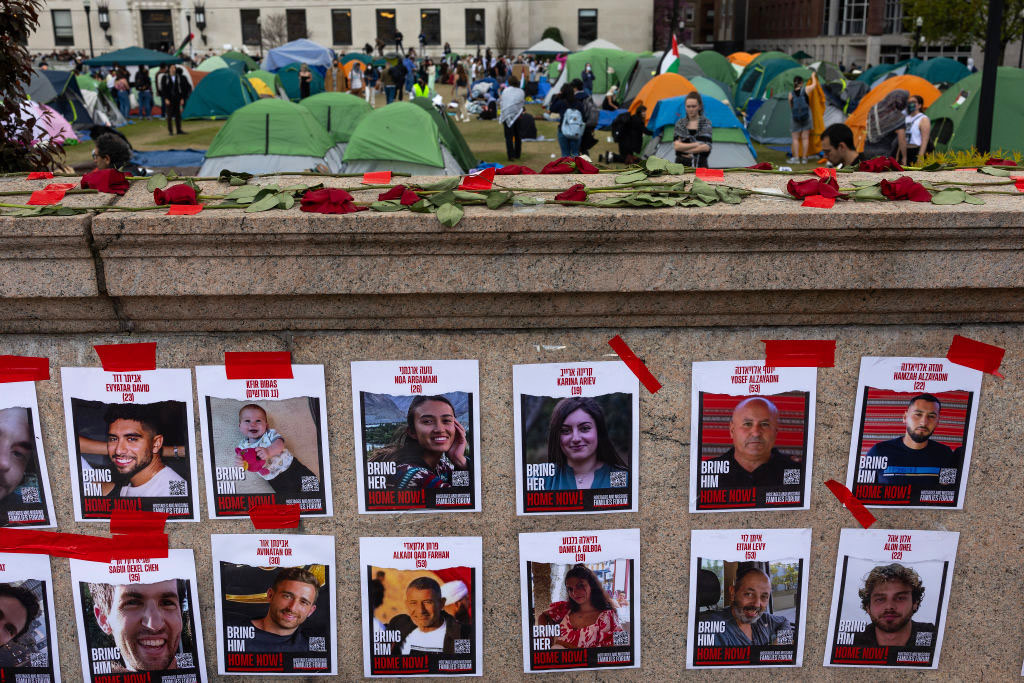
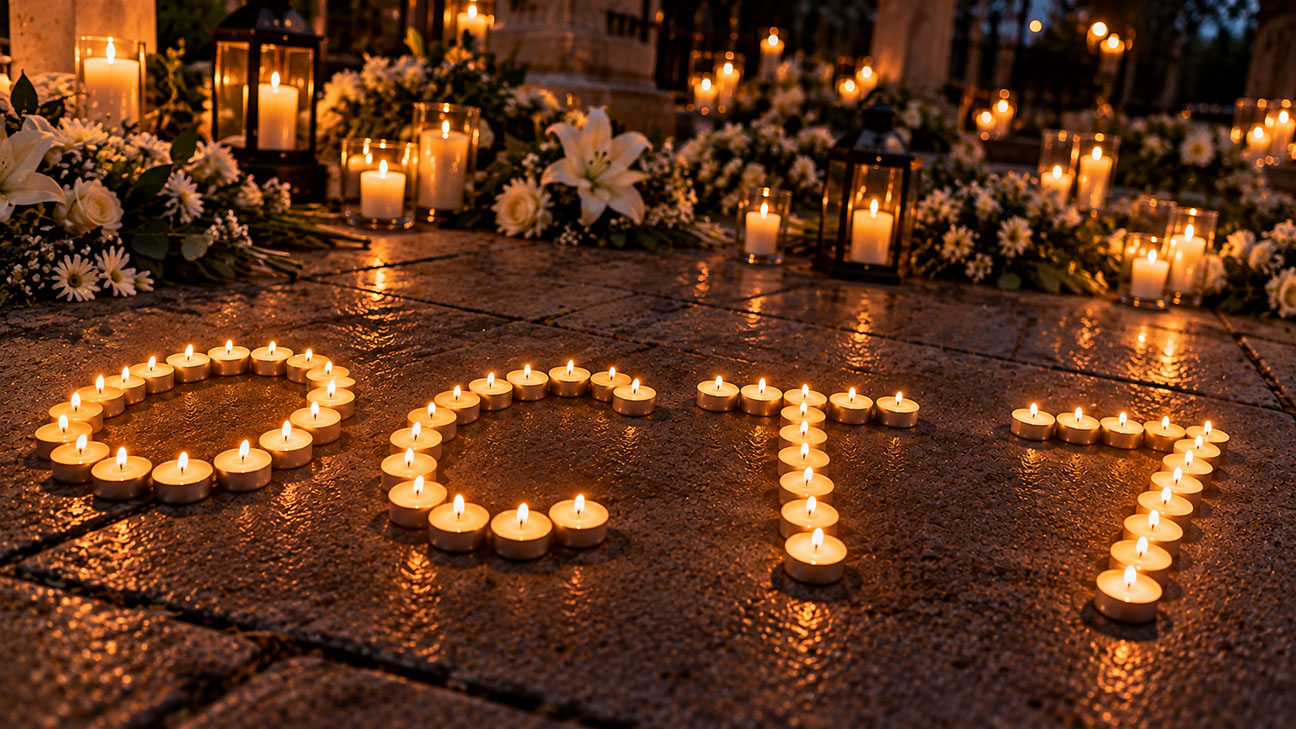
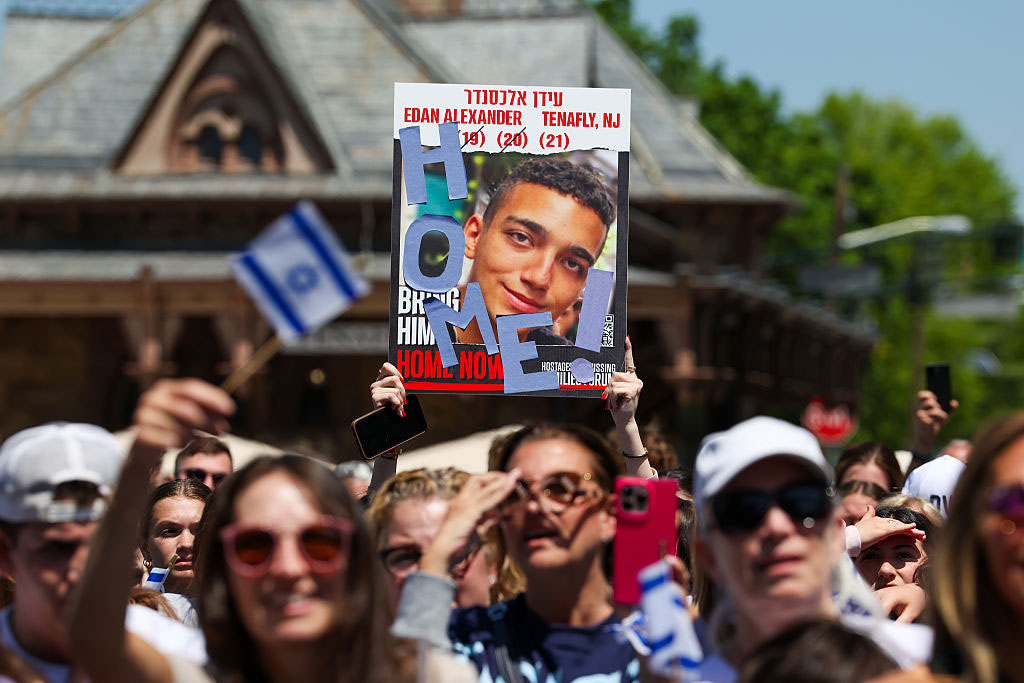
But the still-standing sukkahs from October 7, 2023 turn that lesson on its end and this week, as we commemorate two years of that awful day. As hostages are still in captivity, these still-standing sukkahs ingrain within our beings that uprootedness, uncertainty, fear, and sorrow are more permanent than we realize.
Think of the days of shiva—after the seventh day, we get up from our mourning to walk out into the world. While it doesn’t mean our pain is less, there is a shift from one state to another; meaning, this kind of mourning should not be permanent. Still standing sukkahs should not be a permanent fixture in our eyes or in the souls of the Jewish people.
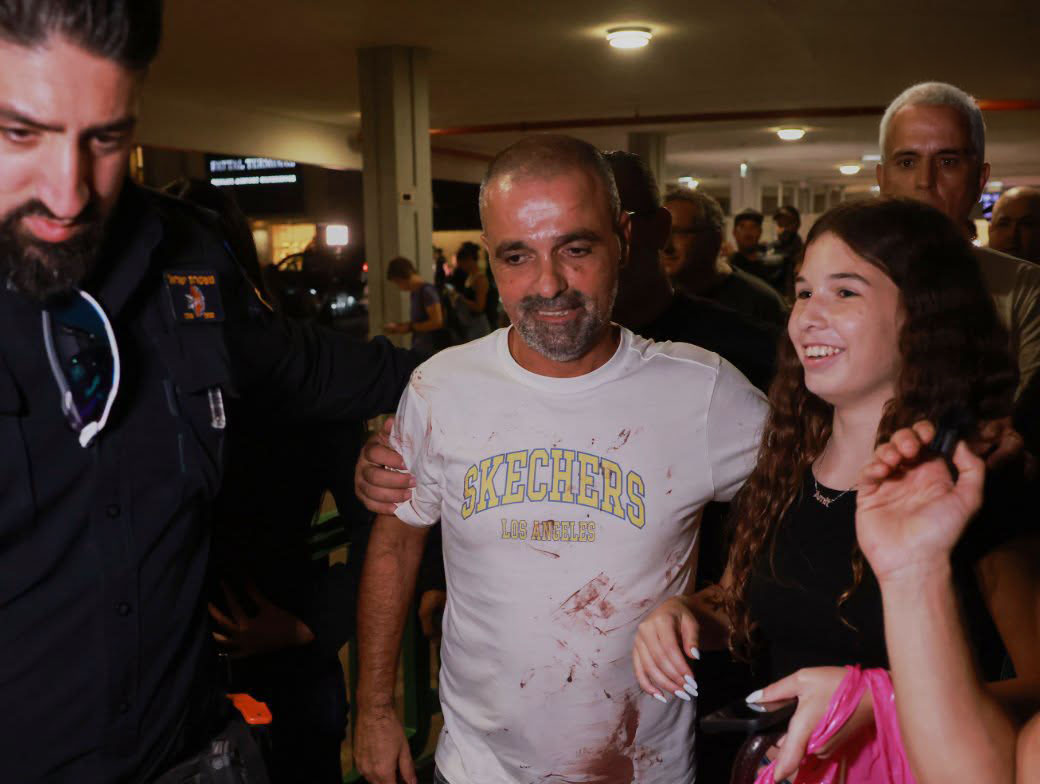
With the announcement of the first phase of the Trump Peace Plan, perhaps the lesson of Sukkot will be reinstated. Our hostages are, God-Willing, coming home. Our children and grandchildren and great-grandchildren may now see the sukkah as not symbols of hatred, violence, and sorrow—but rather, as they are intended: Symbols of faith, comfort, and embrace.
Perhaps in the coming days, and certainly next year, the hostages, their families and the Jewish people will dwell in Sukkot and once again understand the meaning of celebrating bzman simhateinu, in this season of our joy.
Chag Sameach and Shabbat Shalom.
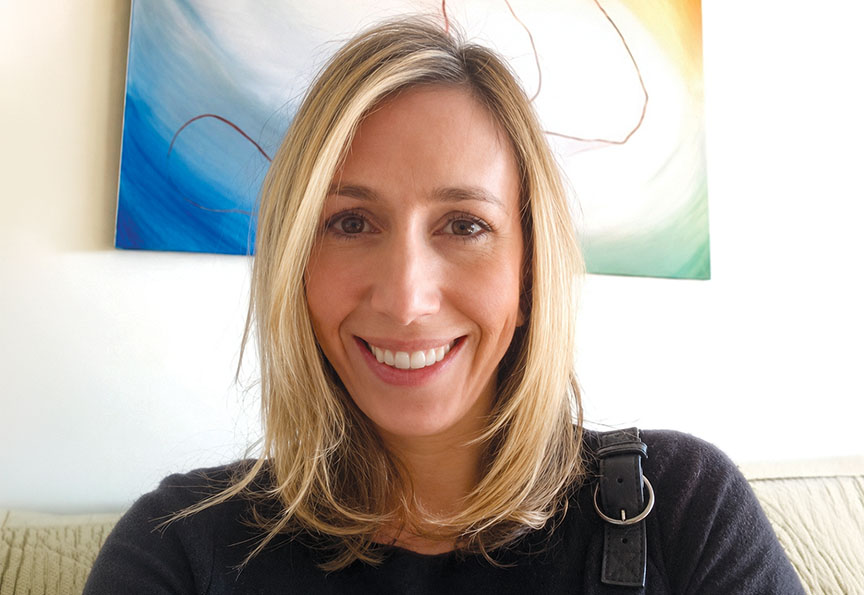
Rabbi Nicole Guzik is senior rabbi at Sinai Temple. She can be reached at her Facebook page at Rabbi Nicole Guzik or on Instagram @rabbiguzik. For more writings, visit Rabbi Guzik’s blog section from Sinai Temple’s website.