The happiest moment of the Hebrew calendar— a time when we rejoice, sing and dance with Torah scrolls as we begin a new Torah cycle—begins tomorrow night on Simchat Torah.
There are no inhibitions on Simchat Torah. Everybody lets loose. We celebrate another year “in the books” as we begin a new one.
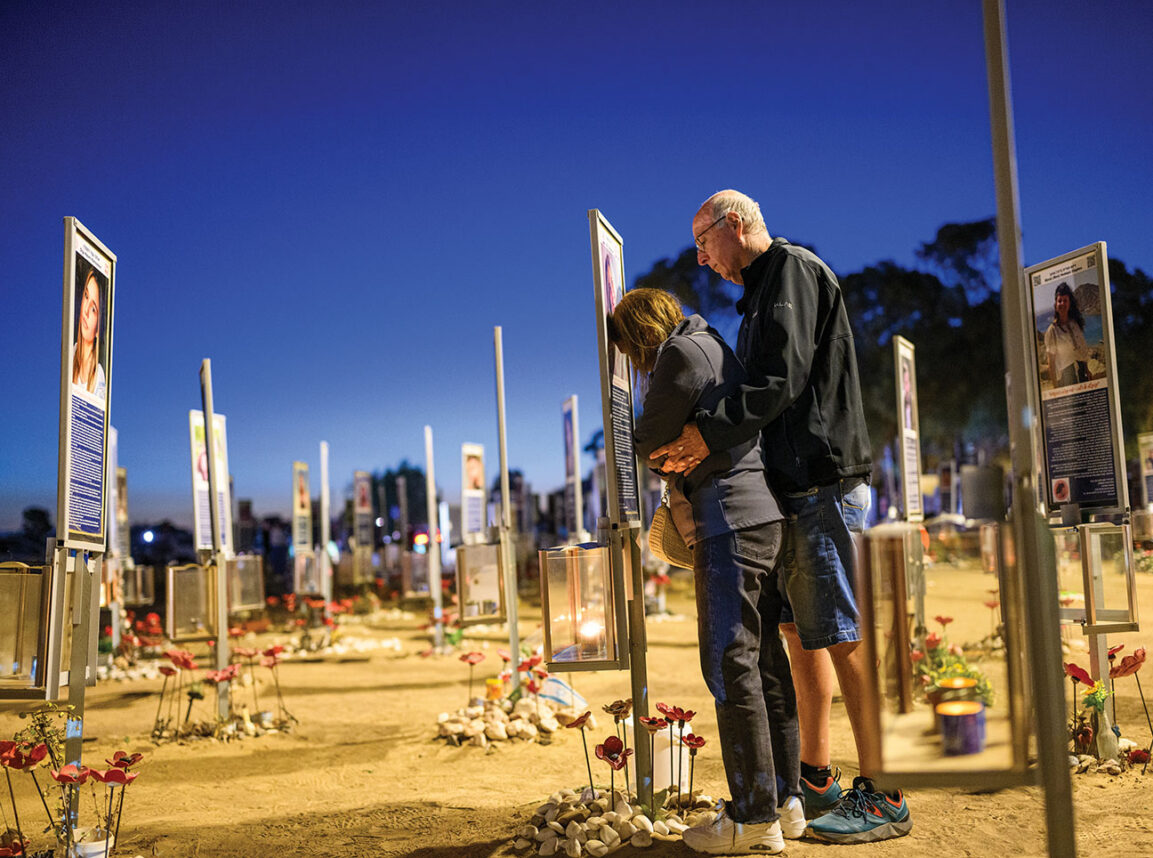
The problem, the horrible, unsolvable problem, is that the worst day in Israel’s history happened on that very day of Simchat Torah three years ago.
I know all the cliches, and they’re all true. No matter what happens, Jews must turn darkness into light. The intense joy of Simchat Torah can overcome the darkest memories. Joy is not just a good idea, it’s an obligation. And so son.
But we’re also human. We can try to temporarily forget an impossibly painful moment as we sing and dance tomorrow night, but who are kidding?
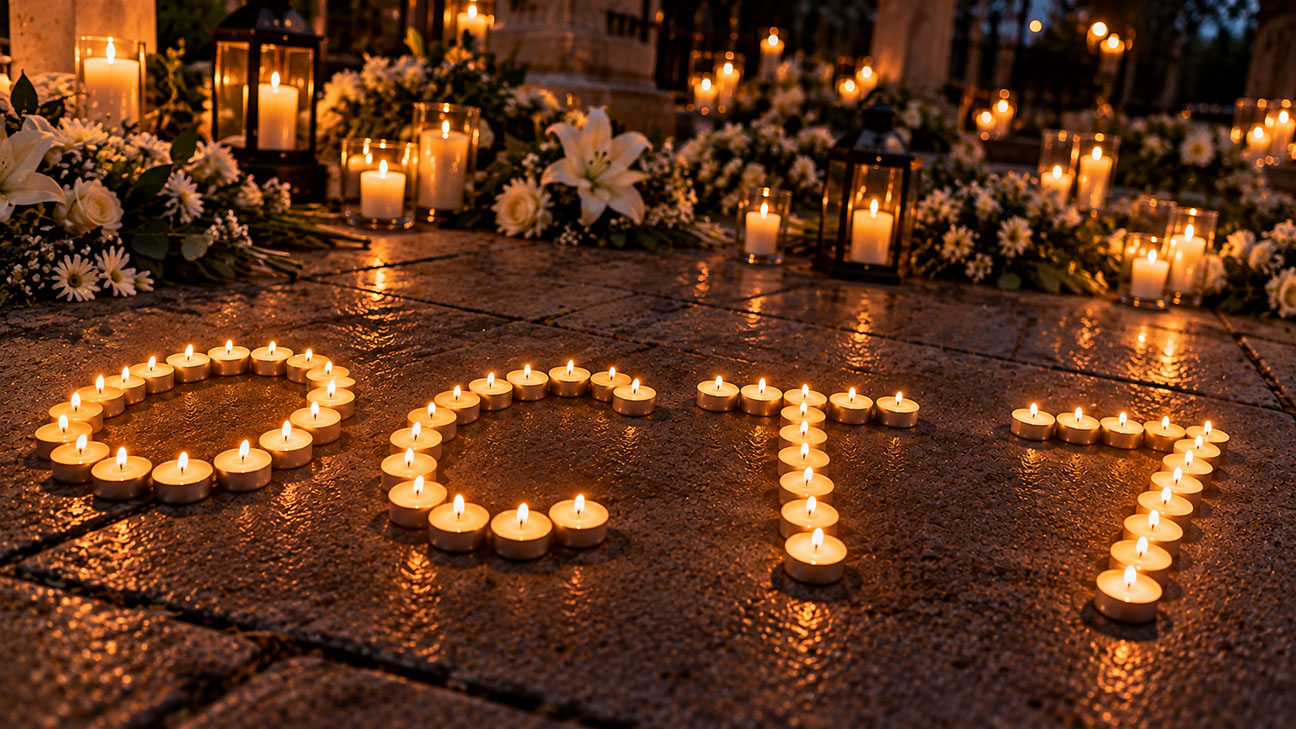
That’s why, as much as I love honoring the Hebrew calendar, in this case I’m oddly grateful for the secular calendar. I’m grateful that the official date to commemorate the Hamas massacre is not Simchat Torah but Oct. 7. Just as Sept. 11 has become the designation for the worst attack on U.S. soil, Oct. 7 has taken its own place in Israeli history.
In truth, it’s hard to imagine commemorating such a dark event on a day of joy. The cognitive dissonance would be unbearable. Maybe that’s why Oct. 7 has naturally become “the day.” It saves us from adding even more pain to our collective memory.
I have little doubt, however, that for many Jews, dancing on Simchat Torah will never, could never, be the same. The pain may not be obvious, or even visible, but it will be there.
Tomorrow night, then, will be a silent commemoration of a singular tragedy drowned out by the sounds of joy.
Four days later, on Oct. 7, there will be no joy and no dissonance. We will be free, without any inhibitions, to cry and grieve as we should.
Until then, let’s do our best to sing and dance and remember that when we reach the end of the Torah cycle at Simchat Torah, we immediately start again.
Shabbat shalom and chag sameach.