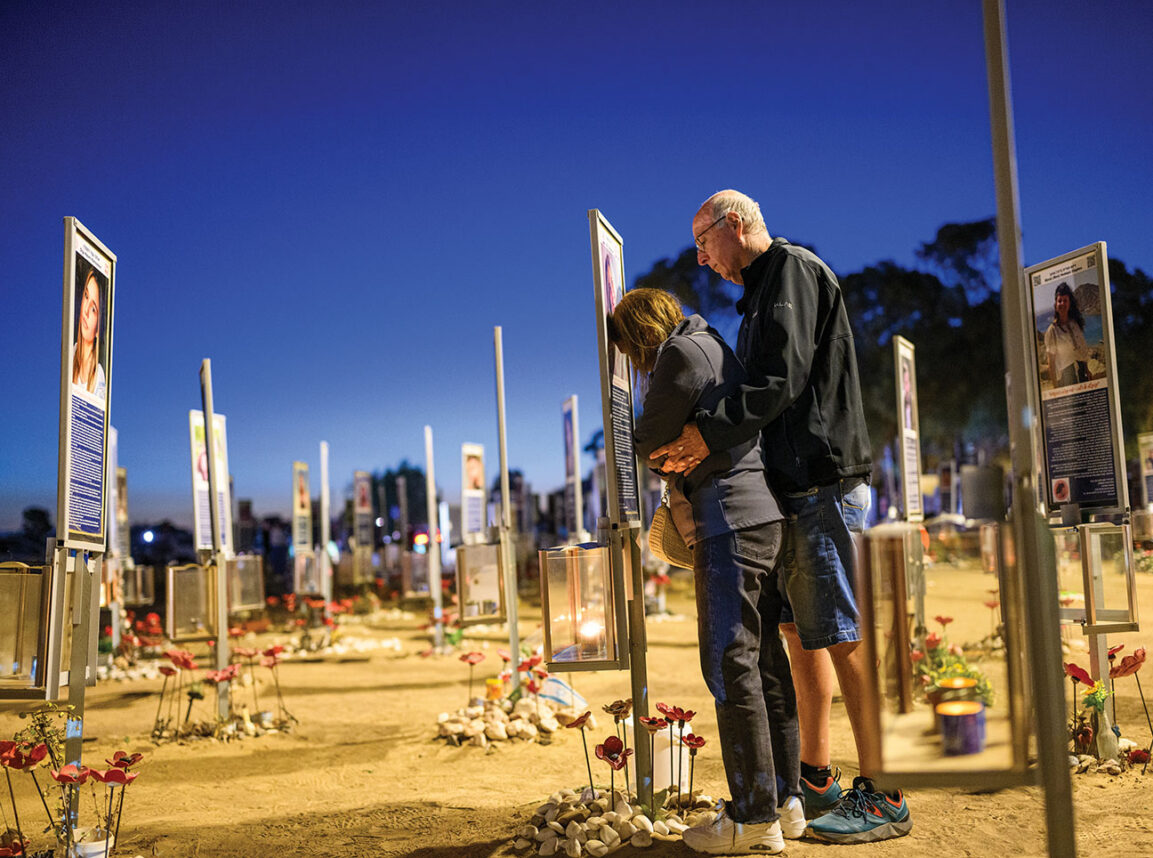
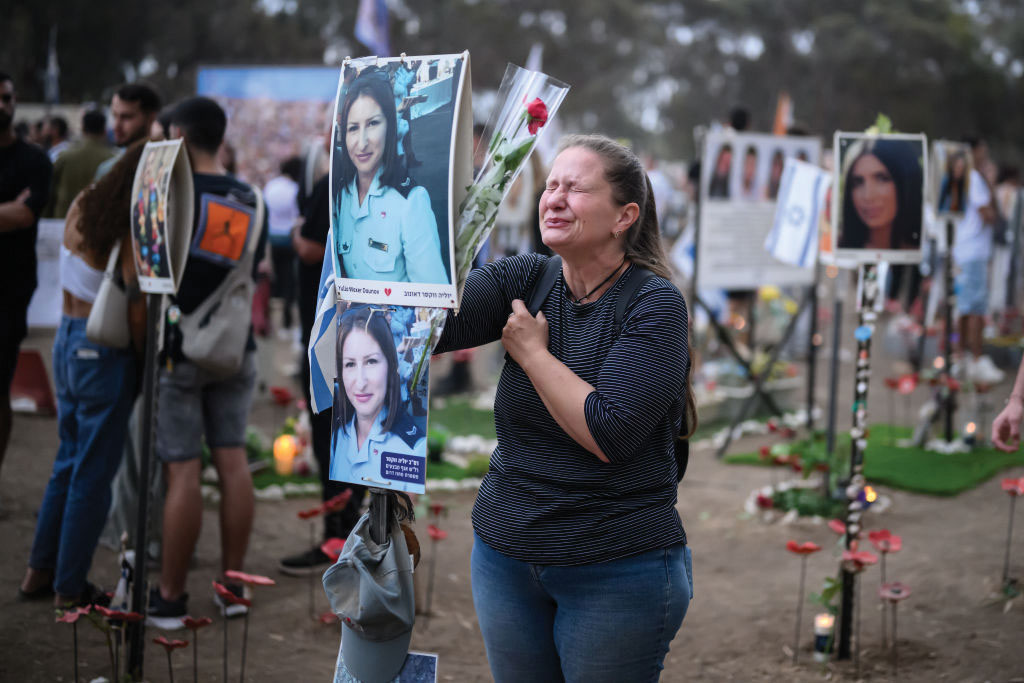
It’s impossible to overstate the lingering collective trauma of Oct. 7 as we reach its third-year anniversary.
Historical tragedies often depend on these anniversaries to keep them lodged in our memories. Not so with Oct. 7.
The sheer scale of the savagery, the unbearable ordeal of the hostages, the countless tributes, books and documentaries that haven’t stopped coming, the ensuing wars triggered by that fateful day, guarantee that we’ll never forget Oct. 7.
But while the atrocity is viscerally lodged in my memory, there is one thing I’ve been trying very hard to forget.
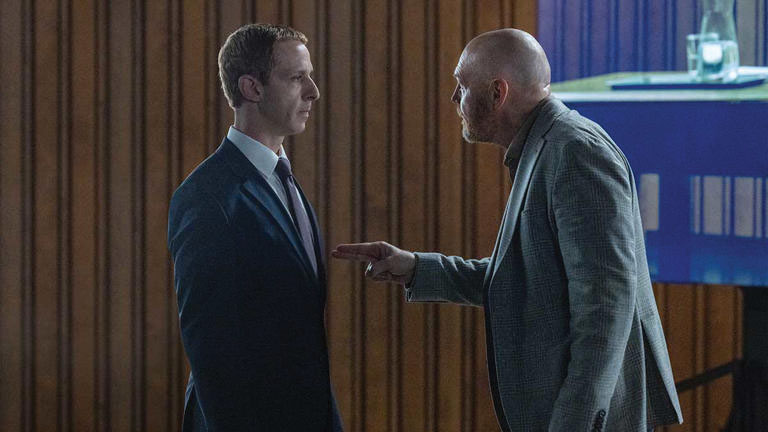
That thing came roaring back to me while I watched the latest season of “Fauda,” the hit Netflix show about a team of Israeli undercover commandos. This fifth season included two harrowing episodes that achingly captured the human agony of Oct. 7.
I’ll spare you the details of what they showed, and myself the burden of finding new ways to describe that day.
What I can’t spare you, though, is what invaded my memory as I watched the horror: my beloved Israel’s stunning failure to defend its people.
Yes, the gleeful cruelty of Hamas was shocking, bewildering, staggering, horrifying, but it wasn’t surprising. We’ve long known that the massacre of Jews is Hamas’s dream of choice.
What was truly shocking, bewildering, staggering was the unprecedented breakdown of Israel’s security. As I watched the brave Israelis on “Fauda” fight back against all odds, I couldn’t stop thinking about the Israelis who were not there.
The army.
Since the birth of Israel, Israel’s army has held a mythical status in Israeli society. With the country surrounded by enemies sworn to its destruction, security isn’t just a top priority– it’s an existential necessity.
Every Israeli knows there’d be no Israel without the brilliance and bravery of the Israel Defense Forces. No matter the threat, the IDF is always there, one step ahead. There is no institution in Israel that is more revered.
That institution inexplicably broke down three years ago on Oct. 7. As hard as I’ve tried to forget it, “Fauda” reminded me that I can’t.
“Fauda” is not a documentary. It’s a drama without propaganda. You feel as if you’re there. It reeks of truth. Because it’s so brilliantly produced, it has become an international hit, including in many Arab countries.
In the Jewish world, much of the commentary has focused on how “finally the world will see what Israel went through.” Yes, that is true.
But for those of us who are deeply attached to Israel and are used to venerating Israel’s defense forces, “Fauda” carries the sting of humiliation.
The show ends with the tragedy. We see no war against Hamas, no miracle pager operations against Hezbollah, no targeted attacks against Iran’s nuclear threat. The viewer is left to linger on Oct. 7.
My initial reaction was revulsion. I wanted to write a column titled: “Why I Regret Watching a Show I Love.” Among other things, I couldn’t stand that the general takeaway would be Israeli weakness and failure.
But as I reflected on the past three years and the High Holiday theme of self-rectification, I grew more comfortable confronting Israel’s failure.
The shock and humiliation won’t go away, but I’m holding that truth along with another: how Israelis rose up to regain deterrence.
Deterrence in the Middle East is a fancy way of saying, “If our enemies are not afraid of us, we’re finished.”
Three years ago, Israel’s enemies saw a helpless, vulnerable Israel they had never seen before. Today, they see an Israel they better not mess with. That truth holds even if one is opposed to Netanyahu’s war policies and disheartened by the rise in animosity toward Israel.
Regaining deterrence, however, does not preclude the need to understand how Israel messed up; how one of the world’s most fearsome armies couldn’t stop an invasion of terrorists with bulldozers and pick-up trucks.
Some of the explanations are already coming out. The full story will be revealed when an independent commission of inquiry is finally appointed. Israelis will demand it.
As painful as it was, I no longer regret watching “Fauda.”
I know that the pain will be alleviated by something Israelis know is indispensable to their security: accountability, the accountability that comes from the unvarnished truth.
Getting to that truth is how we must ultimately commemorate Oct. 7 and honor its victims.