Why a rock?
“Maoz Tzur,” that most beloved of Hanukkah songs, begins with a curious metaphor for the Almighty. Sometimes mistranslated as “Rock of Ages,” the opening line actually translates to “Refuge, Rock of my salvation.” It goes on to recount God’s rescuing of the Jewish people throughout history.
Taking a peek at the medieval scholar Maimonides’ philosophical masterwork might offer an insight into the stanza’s meaning. In the 16th chapter of his “Guide for the Perplexed,” the sage offers a brief review of what the word “tzur” connotes when it appears throughout the Bible.
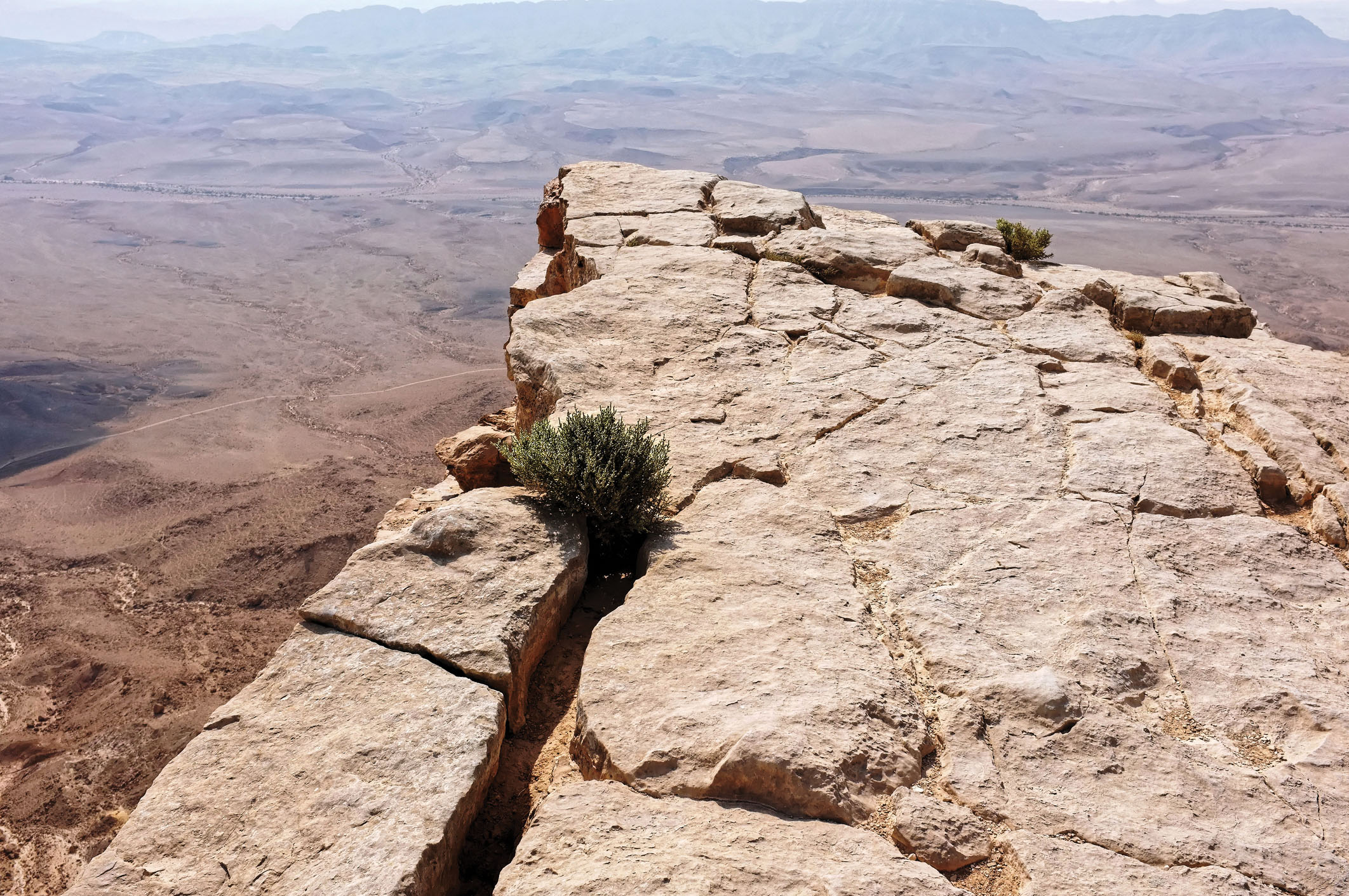
“It may mean mountain,” Lenn E. Goodman and Phillip I. Lieberman’s new translation of the “Guide” has Maimonides suggesting. As in “smite the rock” (Exodus 17:6), a reference to when Moses drew water for the Israelites during their post-Exodus wanderings, sustaining them during the dry days in the desert. “Or a hard type of stone, like flint,” as in ‘knives of flint, tzurim’” (Joshua 5:2) – a description of the utensils used to circumcise the male Israelites who had entered the Promised Land.
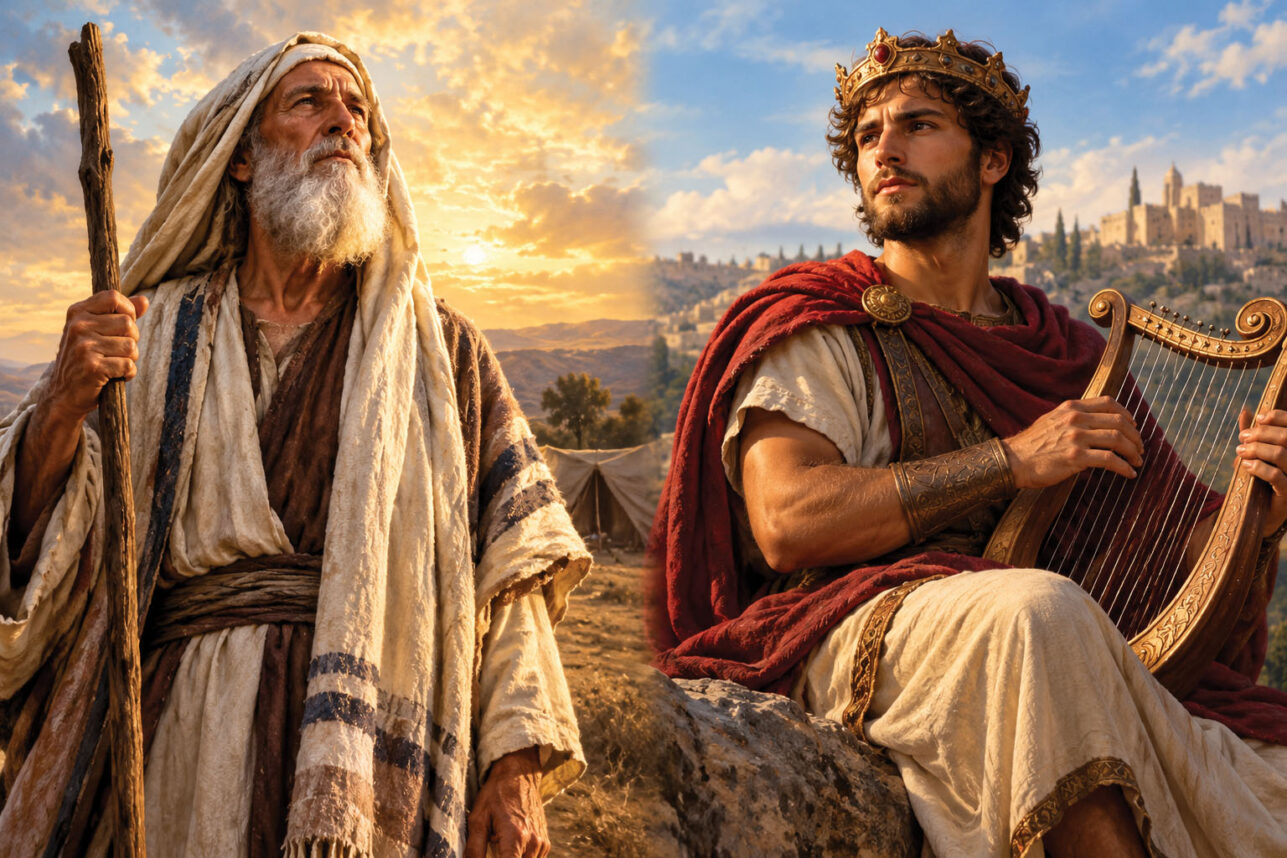
Then again, continues Maimonides, it can also mean a quarry, from which one cuts stones (like in Isaiah 51:1’s “look to the rock from which you were hewn”). In this sense, it signals toward the source or origin of something. The verse there, fascinatingly, isn’t referring to God. Rather, the ancient prophet explains who the rock is: the first Jewish marriage – “Look to Abraham, your father, and to Sarah, who gave you birth.” It’s to the First Couple of our faith that we turn in gratitude for gifting us life and the formation of our values.
Of course, ultimately God is the ultimate origin of all things, as the “Guide” elaborates. “He is the Ground and active Cause of all else,” setting the world in motion after He created it. “The Rock whose work is perfect” in Deuteronomy 32:4’s apt appellation. So too Isaiah 26:4 urges, “Trust in God for ever and ever, For in God you have an everlasting Rock.”
Maimonides then ends his brief survey of biblical references by citing Moses’ revelation in the rocky corner of the mountain as God’s Presence passed him by. Quoting the episode in which the Lord teaches Moses the Thirteen Attributes of Mercy as a means of granting Israel forgiveness after the sin of the Golden Calf, God instructs Moses “Stand by the rock.” This, Maimonides says, was meant to teach all of us, not just Moses, throughout the rest of Jewish history, “lean on Him. Hold fast to the thought that he is the Source.”
As Goodman and Lieberman add in a note accompanying Maimonides’ text, “Abraham aids one in reaching God, the higher Rock,” as his near-sacrifice of Isaac on Mt. Moriah embodied the Jewish values of both fear and love of God. Moses’ own later moment on the mountain articulates “God’s grace and justice in nature’s governance.”
As the last candle of Hanukkah melts and the menorah is put back on the shelf then, we can still reflect on the plethora of meanings of the poetic reference to the Rock in Maoz Tzur. A symbol of sustenance, a sign of the covenant, and metaphor for the sources of our sustaining existence – God and our ancestors – our Rock remains an eternal emblem of salvation.
Rabbi Dr. Stuart Halpern is Senior Adviser to the Provost of Yeshiva University and Deputy Director of Y.U.’s Straus Center for Torah and Western Thought. His books include “The Promise of Liberty: A Passover Haggada,” which examines the Exodus story’s impact on the United States, “Esther in America,” “Gleanings: Reflections on Ruth” and “Proclaim Liberty Throughout the Land: The Hebrew Bible in the United States.”