fbpx
[additional-authors]
August 13, 2014

A great way to stop a conversation cold with someone I am meeting for the first time is to let out that I was a hospice chaplain for seven years. It’s good to know that most readers of this blog would take this as a sublime conversation-starter instead.

As I reflected with a funeral director after a graveside service recently, it is curious that even professionals and others involved with death, including hospice chaplains, funeral directors, Chevrah Kadisha members, bereavement counselors, and so on, vary in their comfort level with it.  Thus even with the pros, our fear of death surfaces surrounding some aspect of it.  I told that funeral director I would never want to trade places with her. She in turn responded that she would not want to work as a chaplain and to have to deal with the family’s emotions preceding the death. I returned that I would not like to be in her shoes because I would be squeamish about handling the bodies.

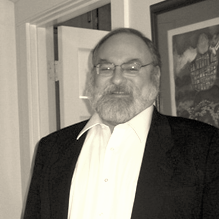
Although a Chevrah Kadisha member might never want to be a hospice chaplain, and vice versa, we can expand our envelope of comfort by reading about each other’s niches, thereby making ourselves more available to a wider spectrum of people’s needs. The core challenge of a hospice chaplain is to create a safe sacred space free of religious agendas for patients to process their experience as they approach their end. I strive to do this with open-ended questions and completely and profoundly focused listening. For a concrete illustration of what I mean, please see my August 6th blog post “>Encountering the Edge: What People Told Me Before They Died , a series of true anecdotes capped with the deeper reasons she chose her vocation. Published in April 2014, this book opened to smash reviews. For more details and to see the reviews, you can go to the “>amazon.com. Comments to the author are welcome by email or via her blog, Rabbi Karen B. Kaplan  

Did you enjoy this article?
You'll love our roundtable.

Editor's Picks

Latest Articles

Antisemitism, Deicide, and Revolution

The United States Conference of Catholic Bishops did a remarkable thing: It issued a memorandum to all American Catholic bishops urging them to prepare their teachings carefully during this Easter period and ensure that they accurately present the Church’s positive teachings about Jews.

Chametz Is More than Crumbs in the Corners of our Homes

Chametz is also something that gathers in the corners of our being, the spiritual chametz that, like the physical particles we gather the night before Passover, can infect, wither, influence and sabotage us as we engage with others.

Alpine Flavors—a Crunchy Granola Recipe

Every Passover, I prepare a truly delicious gluten-free granola. I use lots of nuts and seeds (pistachios, walnuts, almonds and pumpkin seeds) and dried fruits (apricots, dates and cranberries).

Pesach Reflections

How does the Exodus story, Judaism’s foundational narrative of freedom, speak to the present? We asked local leaders, including rabbis, educators and podcasters, to weigh in.

Rosner’s Domain | Be Skeptical of Skeptics, Too

Whoever risks a decisive or semi-decisive prediction of the campaign’s end (and there is a long list of such figures on the Israeli side as well as the American side) is not demonstrating wisdom but rather a lack of seriousness.

When We Can No Longer Agree on Who Is Pharaoh

The Seder asks us to remain present to the tension between competing fears and obligations. It does not require choosing one lesson over the other, but rather, it creates space for us to articulate our concerns and listen to the fears and hopes that shape others’ views.

Pesach at War. Leaving Fast, Leaving Slow.

Freedom, it would seem, is erratic; it happens in fits and starts, three steps forward and two steps back. Freedom is a leap into the unknown, driven by a dream. We will figure it out in time.

More news and opinions than at a Shabbat dinner, right in your inbox.