fbpx

Palestinian Fatwa Council Calls Israel a ‘Colonialist Cancer’

[additional-authors]
September 4, 2019
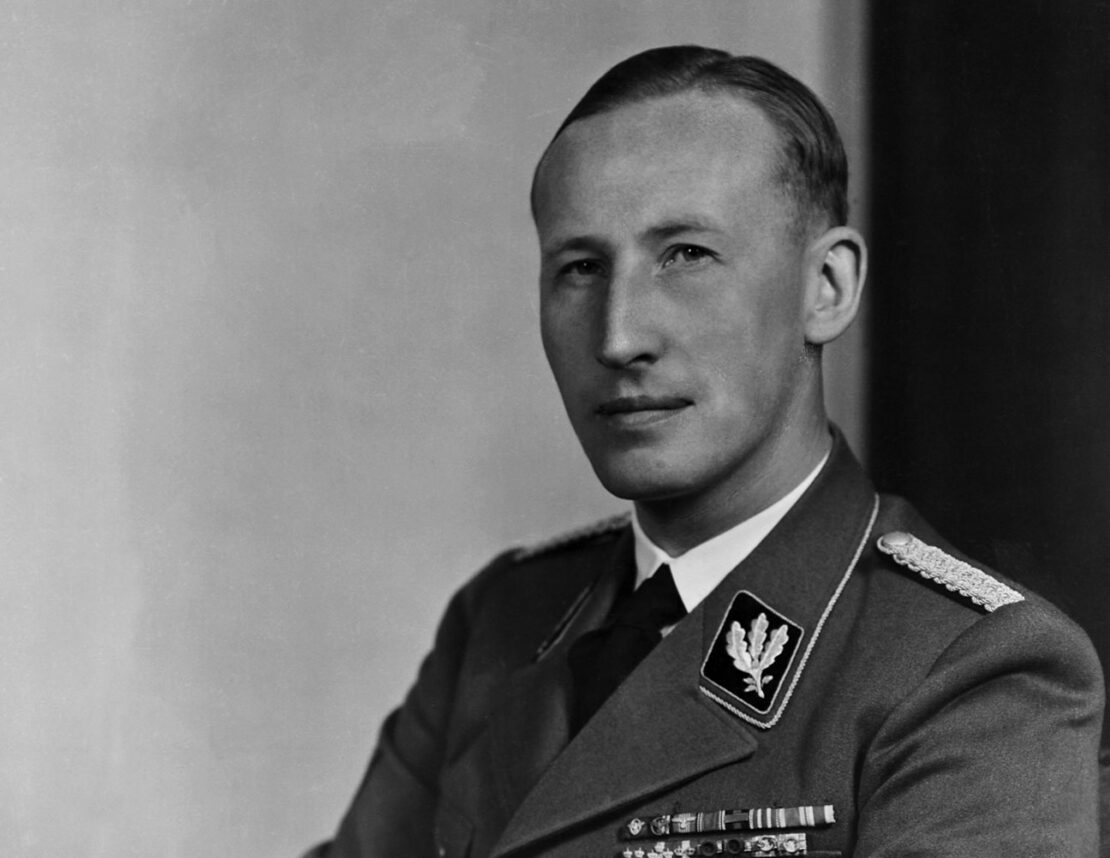
Photo from Wikipedia.

The Palestinian Supreme Fatwa Council called Israel a “colonialist cancer” and accused the Jewish state of attacking Palestinian “religious and national symbols” at their Aug. 30 meeting.

Palestinian Media Watch (PMW) reports that, based on reporting from the Palestinian Authority’s (PA) official newspaper Al-Hayat Al-Jadida, the council said there is a “danger of attacks against the religious and national symbols in occupied Jerusalem, and held the occupation government fully responsible for these violations.” The council also condemned “all types of settlement, and emphasized that the Palestinian people will not stand idly by in the face of this colonialist cancer.”

PA Grand Mufti Sheikh Muhammad Hussein is the leader of the council; PMW notes that Hussein is responsible for the Aug. 13 clashes at the Temple Mount because he shut down all mosques in Jerusalem that day and pushed back the second Islamic morning prayer an hour. In doing so, Hussein maximized the amount of Palestinians present at the Temple Mount when Jews entered the holy site to pray during Tisha b’Av.

Additionally, Hussein issued a fatwa (‘ruling’ in Arabic), in July 2018 declaring that Muslims selling land to Jews is a crime punishable by death, according to the Gatestone Institute. The Jerusalem Post also notes that Hussein declared in 2006 shortly after he was appointed to the role of Mufti that Palestinian suicide bombings are a “legitimate” act of “resistance” and “quoted an ancient Islamic text encouraging Muslims to kill Jews” during a 2012 PA TV broadcast.

The Gatestone Institute explains that the PA considers the Palestinian mufti as the person with “the final say on most religious and non-religious issues. In other words, the mufti’s position parallels that of a US Supreme Court judge. If the mufti issues a legal opinion or religious decree, his people and leaders are expected to abide by it.”


Did you enjoy this article?
You'll love our roundtable.

Editor's Picks

Latest Articles

Antisemitism, Deicide, and Revolution

The United States Conference of Catholic Bishops did a remarkable thing: It issued a memorandum to all American Catholic bishops urging them to prepare their teachings carefully during this Easter period and ensure that they accurately present the Church’s positive teachings about Jews.

Chametz Is More than Crumbs in the Corners of our Homes

Chametz is also something that gathers in the corners of our being, the spiritual chametz that, like the physical particles we gather the night before Passover, can infect, wither, influence and sabotage us as we engage with others.

Alpine Flavors—a Crunchy Granola Recipe

Every Passover, I prepare a truly delicious gluten-free granola. I use lots of nuts and seeds (pistachios, walnuts, almonds and pumpkin seeds) and dried fruits (apricots, dates and cranberries).

Pesach Reflections

How does the Exodus story, Judaism’s foundational narrative of freedom, speak to the present? We asked local leaders, including rabbis, educators and podcasters, to weigh in.

Rosner’s Domain | Be Skeptical of Skeptics, Too

Whoever risks a decisive or semi-decisive prediction of the campaign’s end (and there is a long list of such figures on the Israeli side as well as the American side) is not demonstrating wisdom but rather a lack of seriousness.

When We Can No Longer Agree on Who Is Pharaoh

The Seder asks us to remain present to the tension between competing fears and obligations. It does not require choosing one lesson over the other, but rather, it creates space for us to articulate our concerns and listen to the fears and hopes that shape others’ views.

Pesach at War. Leaving Fast, Leaving Slow.

Freedom, it would seem, is erratic; it happens in fits and starts, three steps forward and two steps back. Freedom is a leap into the unknown, driven by a dream. We will figure it out in time.

More news and opinions than at a Shabbat dinner, right in your inbox.