fbpx

Rosner’s Torah-Talk: Parashat Behar with Rabbi Danny Burkeman

[additional-authors]
May 9, 2014

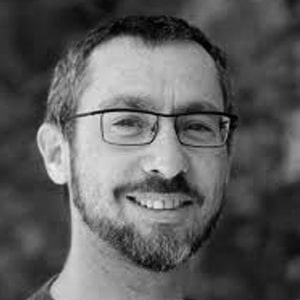
Our guest this week is Rabbi Danny Burkeman, Rabbi at the Community Synagogue at Port Washington, NY. Rabbi Burkeman was born and raised in London, England and received his BA in History and Theology from Cambridge University. Following university, he worked as an educator in the British Jewish community and studied for his Masters in Jewish Christian relations (which he completed in 2008). After his ordination from the Hebrew Union College, Rabbi Burkeman moved back to London, where he became an Associate Rabbi at West London Synagogue (Britain’s oldest Reform congregation). Rabbi Burkeman is currently a member of the World Union for Progressive Judaism Executive Board and a CLAL Rabbis Without Borders Fellow. He has a weekly podcast Two Minutes of Torah (available on iTunes) and is a regular columnist for The Jewish News of England (a weekly national newspaper).

This week's Torah portion – Parashat Behar (Leviticus 25:1-26:2) – talks about Sabbatical and Jubilee years, regulations concerning commerce and the redemption of slaves. It also contains a description of the rewards for observing God's commandments and the series of punishments that will face Israel if they choose to disregard them. Our discussion focuses, among other things, on the meaning behind the laws concerning sabbatical years, which show the people of Israel the limits of their ownership of the land.

If you would like to learn some more about parashat Behar, take a look at our conversation with Rabbi Asher Lopatin.


Did you enjoy this article?
You'll love our roundtable.

Editor's Picks

Latest Articles

Antisemitism, Deicide, and Revolution

The United States Conference of Catholic Bishops did a remarkable thing: It issued a memorandum to all American Catholic bishops urging them to prepare their teachings carefully during this Easter period and ensure that they accurately present the Church’s positive teachings about Jews.

Chametz Is More than Crumbs in the Corners of our Homes

Chametz is also something that gathers in the corners of our being, the spiritual chametz that, like the physical particles we gather the night before Passover, can infect, wither, influence and sabotage us as we engage with others.

Alpine Flavors—a Crunchy Granola Recipe

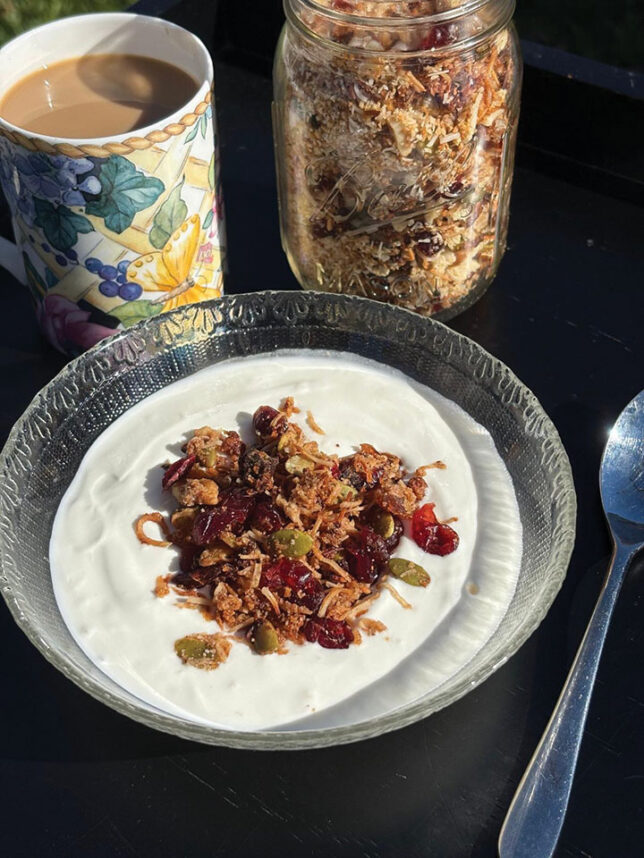
Every Passover, I prepare a truly delicious gluten-free granola. I use lots of nuts and seeds (pistachios, walnuts, almonds and pumpkin seeds) and dried fruits (apricots, dates and cranberries).

Pesach Reflections

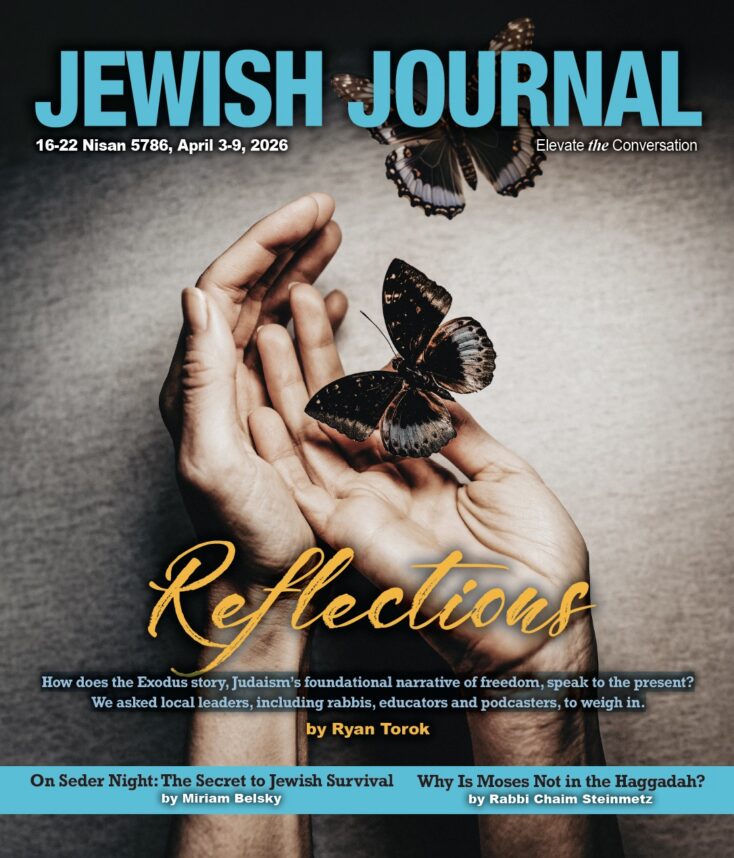
How does the Exodus story, Judaism’s foundational narrative of freedom, speak to the present? We asked local leaders, including rabbis, educators and podcasters, to weigh in.

Rosner’s Domain | Be Skeptical of Skeptics, Too

Whoever risks a decisive or semi-decisive prediction of the campaign’s end (and there is a long list of such figures on the Israeli side as well as the American side) is not demonstrating wisdom but rather a lack of seriousness.

When We Can No Longer Agree on Who Is Pharaoh

The Seder asks us to remain present to the tension between competing fears and obligations. It does not require choosing one lesson over the other, but rather, it creates space for us to articulate our concerns and listen to the fears and hopes that shape others’ views.

Pesach at War. Leaving Fast, Leaving Slow.

Freedom, it would seem, is erratic; it happens in fits and starts, three steps forward and two steps back. Freedom is a leap into the unknown, driven by a dream. We will figure it out in time.

More news and opinions than at a Shabbat dinner, right in your inbox.