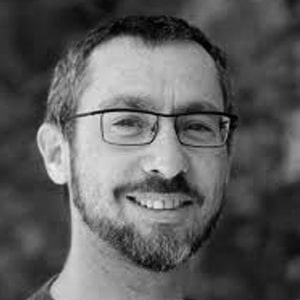
Our special guest this week is Rabbi Peter S. Berg, senior rabbi of Atlanta’s oldest and largest synagogue, The Temple. Prior to coming to The Temple, Rabbi Berg served as rabbi of Temple Beth Or in Washington Township, New Jersey and as the Associate Rabbi of Temple Emanu-El in Dallas, Texas. Additionally, he worked for three years at the Union for Reform Judaism (URJ) as a rabbinic intern with the National Director of Program, where he helped to develop innovative programs for the Reform movement and to coordinate worship and special programs for several Biennial conventions. Over the years, Rabbi Berg has spent a great deal of time working with advocacy groups on issues such as separation of church and state, the death penalty, civil rights, religious freedom, welfare reform, hate crimes and the environment. He has served on numerous communal and advisory boards, including the American Jewish Committee, the American Jewish Congress, the Anti-Defamation League, and the Drug Enforcement Agency.
This week's Torah Portion- Parashat Mishpatim (Exodus 21:1-24:18)- contains a vast number of laws given to the people of Israel, including laws concerning slaves, murder and theft, restitution, and a myriad of other social and religious matters. Our conversation focuses on the exceptionally severe punishment given to children who curse their parents.