fbpx

May 1, 2025

23 Congressional Members Express Concern to Wikimedia Foundation Over “Potential Abuse of Wikipedia by Coordinated Actors”

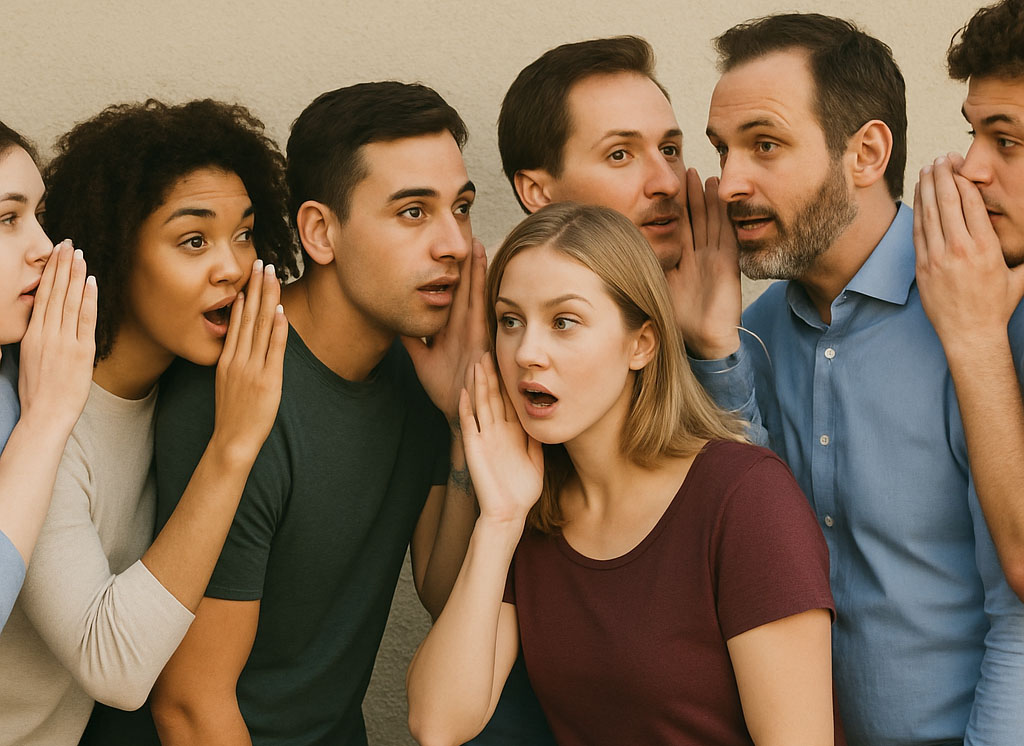
A bipartisan group of 23 Congressmembers wrote a letter to the Wikimedia Foundation (WMF), the San Francisco-based nonprofit that oversees Wikipedia, on April 30 expressing “our deep concern regarding antisemitism, anti-Israel bias, and the potential abuse of Wikipedia by coordinated actors.”

The letter, written by Reps. Debbie Wasserman Schultz (D-Fla.), and Don Bacon (R-Neb.) was signed by two Los Angeles representatives, Brad Sherman (D-Sherman Oaks) and Ted Lieu (D- West. LA). It cited a report from the Anti-Defamation League (ADL) published in March that “identified a group of approximately 30 Wikipedia editors who have significantly undermined the platform’s credibility, making more than 1.5 million edits over the past decade to gradually and systematically distort neutral narratives on articles related to Israel, pushing an antisemitic, pro-Hamas, anti-Zionist, and anti-Israel agenda.”

“While Wikipedia mandates that all content be written from a ‘neutral point of view (NPOV),’ these edits go far beyond presenting differing perspectives,” the letter stated. “Instead, they suggest a deliberate effort to inject antisemitic bias and propaganda, raising concerns that some of these editors may be pro-Hamas or even acting on behalf of foreign state actors.”

The letter highlighted how the report documented instances in which these editors scrubbed the Wikipedia pages of certain public figures’ support for terrorism and antisemitism and that the Hamas Wikipedia page whitewashes Hamas’ terror activities.

Additionally, Wikipedia’s Arbitration Committee (ArbCom), the site’s version of a Supreme Court, topic banned eight editors from the Israeli-Palestinian conflict topic area in January, five of whom were mentioned in the ADL report as being part of the “bad faith” editors group, per the letter. The members of Congress who signed the letter called ArbCom’s moves “a welcome first step” but called for more action.

They asked the WMF what safeguards it has in place to protect Wikipedia content from foreign actors and misinformation, and what processes it has in place to “verify the identities and affiliations of editors”; further, the members of Congress asked what measures the WMF has to prevent the spread of anti-Israel bias on Wikipedia and if Wikipedia could “provide us data on content disputes, edit reversions, and administrator actions related to antisemitic, anti-Zionist, or anti-Israel bias.”

“Evidence points to a startling lack of enforcement of Wikipedia’s most basic rules and editorial safeguards,” Wasserman Schultz said in a statement. “Given the immense influence that Wikipedia articles have over our online and real life global conversations, far more editorial responsibility and transparency is needed, immediately. My hope is that our bipartisan questions and concerns can curb a suspected coordinated campaign to manipulate Wikipedia content that drives antisemitic content and biases.”

“Given the immense influence that Wikipedia articles have over our online and real life global conversations, far more editorial responsibility and transparency is needed, immediately.” – Rep Debbie Wasserman Schultz

Bacon also said in a statement, “Antisemitism and anti-Israel views have increased on Wikipedia due to their lack of enforcing their own rules and standards and they need to take steps immediately to fix the problem. Wikipedia has such a broad reach and people take what is posted there as 100 percent truth, when it always isn’t. I’m glad to join Rep. Wasserman Schultz on this bipartisan letter, in the hopes we can get Wikimedia to fix this.”

The WMF did not respond to my request for comment.

The letter from members of Congress comes on the heels of Interim U.S. Attorney Ed Martin sending a letter to the WMF on April 24 with myriad questions related to the San Francisco-based nonprofit’s tax exempt status; like the congressional letter, Martin asked the WMF about, among other things, its processes for protecting Wikipedia from foreign actors and the issue of editor anonymity.

WMF Associate General Counsel Jacob Rogers said in a statement to The Verge in response to Martin’s letter, “Wikipedia’s content is governed by three core content policies: neutral point of viewverifiability, and no original research, which exist to ensure information is presented as accurately, fairly, and neutrally as possible. The entire process of content moderation is overseen by nearly 260,000 volunteers and is open and transparent for all to see, which is why we welcome opportunities to explain how Wikipedia works and will do so in the appropriate forum.”

“The Wikipedia Flood” blog wrote a satirical post on April 26 on what the WMF’s responses to Martin’s questions would be “if it would honestly answer the questions, free of doubletalk and self-serving gobbledygook.” At the end of the post, the longtime editor behind the blog called for the CEO of Wikipedia to be “summoned to Congress to testify under oath.”
23 Congressional Members Express Concern to Wikimedia Foundation Over “Potential Abuse of Wikipedia by Coordinated Actors” Read More »

A Bisl Torah~ Contagious

The Torah dislikes sloppiness, specifically, the lack of regard for others and oneself when it comes to how we choose to use our words. Tazria-Metzora lays out a framework of isolation and return when a person, clothing, or home develops some kind of disease. And the rabbis attribute this disease to spiritual malaise, primarily caused by using words that contribute to the spreading of gossip and lies.

The Torah explains the afflicted person is sent out of the camp until the rash is gone. Sacrifices are offered and the person is ritually welcomed back into the camp. Isolation often feels extreme, but the Torah underlies the impact of contagion.

Pirke Avot speaks about mitzvah goreret mitzvah, one commandment leads to another. The practice of good measures becomes habitual. Go to shul three Shabbatot in a row; we will likely see you on the fourth. But the same holds true for the second part of the teaching: Aveirah goreret aveirah, one sin leads to another. Speaking ill of someone once most likely leads to a second time. And hearing gossip, just like the flu, is contagious. One shouldn’t be surprised when negative speech breaks out of your own mouth like an annoying, persistent cough.

Just like a spreading disease, when we discover we might be the ones causing spiritual illness, pause. A few days of self-isolation and reflection may be the first step in remedying the situation. And to reenter the community, teshuvah, repentance is necessary. Perhaps we will one day wake up to an epidemic of mitzvot: The spreading of kindness, compassion, justice, and love. May that be the contagion we witness and actively seek each day of our lives.

Shabbat Shalom


Rabbi Nicole Guzik is senior rabbi at Sinai Temple. She can be reached at her Facebook page at Rabbi Nicole Guzik or on Instagram @rabbiguzik. For more writings, visit Rabbi Guzik’s blog section from Sinai Temple’s website.

A Bisl Torah~ Contagious Read More »

Israel Independence: The Reality of Security

Dear all,

One of our members recently noticed that Temple Akiba is the only congregation in Culver City that does not have our front doors open for entrance.

It’s a sad secuity reality.

And it is not new.

My mom sent the photo here, taken from her seat on EL AL as it was preparing for departure from Zurich to Tel Aviv in 1970. She took the photo to highlight the security surrounding the plane. (Just two years prior, an El Al plane had been hijacked, and the era of air piracy began).

As we commemorate Israeli Independence today, we realize that safety comes at a great cost. And while there are so many other ways to allocate resources, we do all we can (must) to ensure the well-being of each individual.

Since 1948, Israel has fought for its right to exist. All this security? That’s because of those who deny that Israel has this right.

We can criticize government policies (and there is much at fault). But in this moment in time, we celebrate that we have a country who cares for us, who stands up for us, and who believes in us – in a way that no other country in the history of the world has even been able to do.

Here’s to Independence Day! Let’s hope for the dawning of peace, when we can open the front doors of Temple Akiba once again.

With love and Shalom,

Rabbi Zach Shapiro

Israel Independence: The Reality of Security Read More »

The Smooth Pope

Determining for us most truths,
taste matters more than courage. We are pebbles
with edges that consensus smoothes,
while we against all roughness rage as rebels.

Like pebbles many men attempt
to smooth rough edges of a stony truth,
from truth for goodness’ sake exempted,
too inhibited to sound uncouth.

Unlike Pope Francis’ view of Jews:
on them in bad taste far too rough,
when for their self-defense he’d accuse
the race for being tough, not merciful enough

to foes whom he far less than Jews deplored.
It’s harder to be Jewish than a Pope,
a fact Pope Francis piously ignored,
when making “genocidal Jews” his treyfah trope.


In “Condolences Three Days After Pope’s Death,” NYT, 4/25/25, Adam Rasgon writes:

In a book released in November 2024, Francis said the war in Gaza should be investigated to determine whether it constituted a genocide. The statement drew a harsh rebuke from a member of Mr. Netanyahu’s government, Amichai Chikli, the minister of diaspora affairs, who contended it was a “trivialization” of the term genocide. Israeli officials say that Israel is waging a war against Hamas in Gaza and not civilians. They also argue that it is Hamas that should face charges of genocide after its attack on Oct. 7, 2023, when about 1,200 people were killed in Israel and roughly 250 were taken captive. The pope also met with the families of Israelis taken hostage by Hamas.

The text that Pope Francis asked to be read at his funeral, Acts 10:34-43, contains, in verse 39, language that, unlike Nostra Aetate (the Vatican proclamation approved by Pope Paul VI on October 28, 1965) hardly promotes a peaceful relationship between Jews and Christians:

And we are witnesses of all things which he did both in the land of the Jews, and in Jerusalem; whom they slew and hanged on a tree.


Gershon Hepner is a poet who has written over 25,000 poems on subjects ranging from music to literature, politics to Torah. He grew up in England and moved to Los Angeles in 1976. Using his varied interests and experiences, he has authored dozens of papers in medical and academic journals, and authored “Legal Friction: Law, Narrative, and Identity Politics in Biblical Israel.” He can be reached at gershonhepner@gmail.com.

The Smooth Pope Read More »

Good Luck to the Designer Who Has to Come up With an Image for This Poem – A poem for Parsha Tazria-Metzora

and will remain ritually defiled until nightfall. ~ Leviticus 15:16

Suffice it to say
(which is a terrible way
to begin a poem)

if it is inside you
and it comes out of you
be prepared to

check out until nightfall.
If this is the kind of
thing you do a lot

see if a frequent
customer discount is
available at the mikveh.

Be thankful this
is just words as no one
needs visuals here.

This affects the
chairs and other things
you sit on so

if you have guests over
well, at this point you
shouldn’t have guests over.

This affects the things you
ride on. I’m not going to
get into what those might be.

You’re going to need a deep
cleaning, an immersive cleaning.
A Roomba is not going to cut it.

A brand new holy space
just got assembled. You
don’t want to defile it

so soon into our story.
A reminder of this will come
every year, but

only in words.


Rick Lupert, a poet, songleader and graphic designer, is the author of 28 books including “God Wrestler: A Poem for Every Torah Portion.” Visit him at www.JewishPoetry.net

Good Luck to the Designer Who Has to Come up With an Image for This Poem – A poem for Parsha Tazria-Metzora Read More »

Moroccan Org Inducts Anthropologist, Vegan Seder, Casden Housing Panel

Anthropologist and UCLA professor Aomar Boum was inducted into the Academy of the Kingdom of Morocco, an educational institution in Rabat, Morocco. It was with touching eloquence that Rahma Bourkia, president of the higher council for education, recounted Boum’s exceptional journey, from his humble beginnings in the Draa Valley to his recognized expertise in Maghrebi and Oriental studies at UCLA. His courage and perseverance propelled him to the highest spheres.

Boum, visibly moved, then took the floor to warmly thank the permanent secretary of the academy, Abdeljalil Lahjomri, as well as Bourkia, for this prestigious admission, along with his parents, family and friends — the pillars of his ascent.

For 20 captivating minutes, Boum presented the subject of his research on the significant contribution of Moroccan Jews to the world of fashion, without omitting any of the names of the major entrepreneurs who have left their mark on the United States and Canada. He emphasized the contribution of these business figures who have never denied their Moroccan identity, on the contrary, carrying it like a banner.

Boum is currently professor and the Maurice Amado Chair in Sephardic Studies in the departments of Anthropology and Near Eeastern Languages and Cultures at UCLA. He has authored numerous books, many of which explore the historical closeness between Muslims and Jews in Morocco.

In November 2022, Boum was the guest of honor at a banquet at local Sephardic synagogue Em Habanim, organized by Jewish community activists under the leadership of Rabbi Joshua Bittan.

He was a key initiator of programs at UCLA’s Alan D. Leve Center for Jewish Studies, which offers diverse courses, public programs and scholarships, establishing the campus as a leading destination for those studying the histories, cultures, languages and literatures of Maghebi Jewries.


Open Temple’s Vegan Seder. Photos by Sven Piper

Offering a fresh take on celebrating Passover, 80 people attended Jewish Vegan Life’s inaugural Vegan Seder on April 17 in conjunction with Open Temple in Venice. Guests enjoyed a fully kosher vegan meal catered by LA Kosher Catering including vegan matzah ball soup and cauliflower steaks. An interactive vegan seder was led by Open Temple’s Rabbi Lori Shapiro, and Jewish Vegan Life distributed its first vegan haggadah. 

Actress and “The Kind Diet” author Alicia Silverstone (left) attends Open Temple’s recent Vegan Seder.

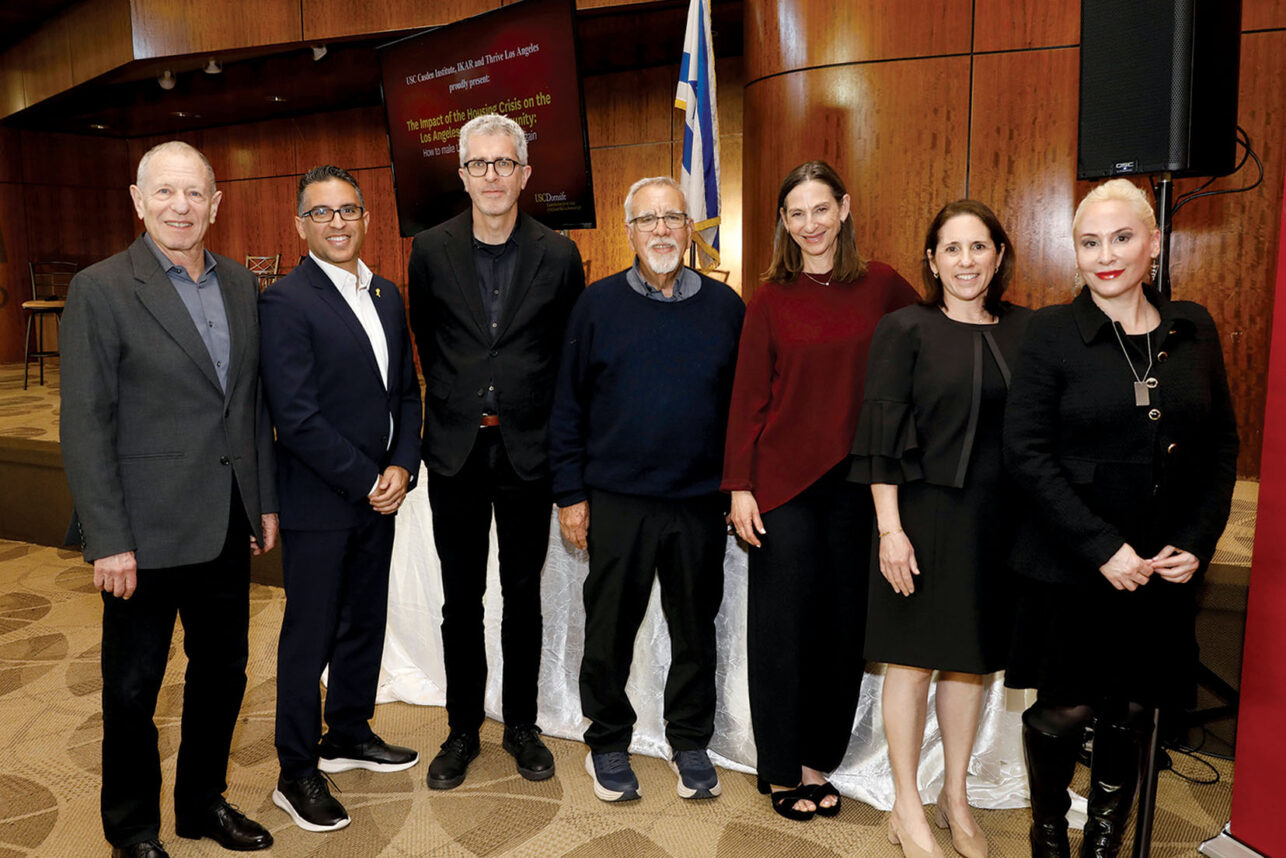
Steve Ross, Sam Yebri, Jason Ward, Bruce Phillips, Melissa Balaban, Rachel Grose, and Lisa Ansell spoke at a panel event titled “The Impact of the Housing Crisis on the Los Angeles Jewish Community: How to Make Los Angeles Affordable Again for Future Generations” on April 6 at Sinai Temple.
Photo by Steve Cohn Photography

The Casden Institute for the Study of the American Role in Jewish Life, IKAR, and Thrive LA co-organized a panel, “The Impact of the Housing Crisis on the Los Angeles Jewish Community: How to Make Los Angeles Affordable Again for Future Generations,” on April 6 at Sinai Temple.

Thrive LA Board President Sam Yebri moderated a conversation between IKAR CEO and co-founder Melissa Balaban; Dr. Bruce Phillips, a professor of Sociology and Jewish Communal Studies at Hebrew Union College-Jewish Institute of Religion; Jewish Free Loan Association Executive Director Rachel Grose; and Jason Ward, economist at RAND and co-director of RAND Center on Housing and Homelessness.

The panelists discussed issues ranging from market and policy trends to the troubling decrease in housing affordability for “missing middle earners,” such as teachers, nurses, police officers and other public servants in Los Angeles, recently named the most unaffordable city in the nation by a Creditnews Research study. Concerned attendees listened as panelists discussed how housing unaffordability, bureaucracy, restrictive land use, and the opposition to new developments is also impacting the Jewish community.

Lisa Ansell, associate director of the USC Casden Institute, offered introductory remarks focused on the stark statistics around housing unaffordability in Los Angeles, where only 13% of households can afford the median priced home. “There are consequences of this extreme low level of affordability on Jewish institutions and synagogue affiliation,” Ansell said. 

“We build extremely expensive housing here, in a very tortured way,” observed Ward, who, with Luke Schlake, an assistant researcher at RAND, published a recent RAND report titled ”The High Cost of Producing Multifamily Housing in California.”

In her work at JFLA, Grose noted that since the outbreak of COVID-19, the organization has seen “an ever-escalating crisis in clients who tell JFLA that they would be homeless without a loan.” Grose also expressed concerns that “public servants like firefighters and nurses can’t afford to live in LA, and this affects our safety.”

Phillips explained that the more the local Jewish community pays for housing, the less disposable income it has for synagogue members and Jewish communal life and education. Balaban expressed pride and hope that IKAR is building affordable housing units in West-Central LA. 

At the conclusion of the program, Yebri was awarded the annual Casden Institute Trailblazer award for his decades-long role as a nonprofit leader and civic action activist. 

– By Tabby Refael, Community Writer

Moroccan Org Inducts Anthropologist, Vegan Seder, Casden Housing Panel Read More »

Rabbis of LA | The First Step on Rabbi Jillian Cameron’s Road to the Rabbinate? A Chance Invitation to Hebrew School

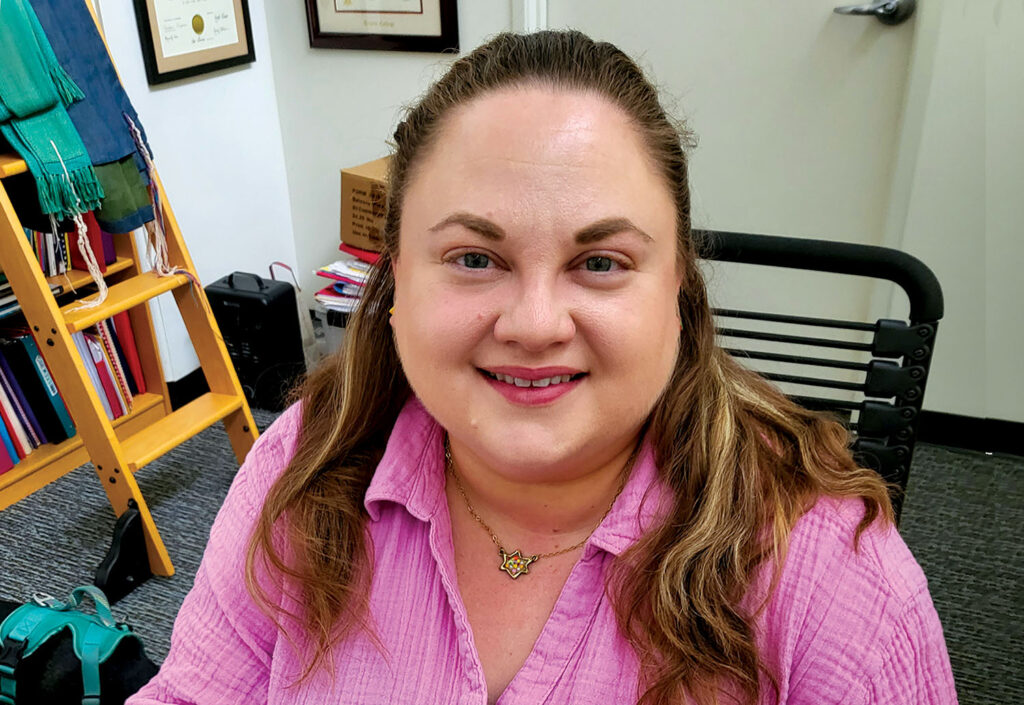
Sitting down with The Journal to talk about her career, Rabbi Jillian Cameron kicked things off with a story about growing up in New Jersey.

“When I was in second grade, my best friend, Julie, invited me to come with her to Hebrew school after school one day. Being the kind of kid who loved school and learning, it didn’t take much convincing. A week or so later, I sat with Julie in her Hebrew school classroom, totally enthralled.”

But she remembers nothing about this story. “I was told about it after the fact,” she said. “This is from my parents’ perspective.” She does remember falling in love with Hebrew school. “More school? This is great! Let’s see what else there is to learn.” It’s a love that lasted. She grew up to be a rabbi and, for the past five years, has been the leader of Beth Chayim Chadashim (BCC), the world’s first synagogue founded primarily by and for lesbian and gay Jews. But in second grade, Cameron would not have been the girl you expected to go into Hebrew school – much less the rabbinate. She described her father and mother as “very loving, supportive people, happy for me to be passionate and excited about things.”

Thirty-six years later, she imagines “they may have had a funny conversation after this because neither of them was religious. My mother was raised Catholic. She decided early on this was not interesting to her. My dad was raised a Conservative Jew. They were hippies. That was their era.” She doesn’t think either of her parents had any sense of engaging in anything religious with their family. “A lot of things had to line up for me to be here right now,” she said.

Her parents joined a synagogue so Jillian could study with her new Hebrew school classmates. It was a Reform shul “so the fact my mother was not Jewish was not a problem for them. My father was like, ‘Alright, I guess.’” But it wasn’t until years later, when she was studying for her Confirmation, that she started thinking about becoming a rabbi. “At 15, 16, I was thinking ‘Hmm, this would be an interesting job.’ But I was probably 17 before I said it out loud.” 

She was especially intrigued by the opportunity to have an impact on the lives of people. “I noticed this appealing quality in my rabbi,“ she said. “She certainly had an impact on my life.”

The elder of two daughters, Cameron was fascinated by her rabbi’s relationships with the congregation. She was impressed, then and now, by the way synagogue members “leaned” on their rabbi – “and then there was being able to have an impact on the world doing something with purpose with my life.”

There was one thing Cameron was clear what she did not want: “I wasn’t interested in just buying something or selling something. Nothing is wrong with that, but I could not see myself doing that.”

She considered becoming a lawyer. She believes many who settled into the rabbinate at least first considered a life in law. Other fields also grabbed her attention. “I thought about being a writer, and I love teaching, too. But all the things I loved most, they worked within the rubric of what a rabbi would do.”

As she was nearing her decision, she was trying to figure out how to break the news to her parents. “Very softly,” she concluded. “I was worried they would say ‘What? You could never do that!’ Not that they ever had said that in my life, but if you say something out loud, that means it’s real, right?”

To her relief, there wasn’t any parental pushback. The only family member she ever shared her secret with was her sister. “She is wonderful and lovely,” Cameron said. “When I told her I wanted to be a rabbi, she said ‘Why? You’re so smart.’”

For college, Cameron wanted a school that was not huge and offered Jewish Studies. She chose Trinity College in Hartford, Connecticut. “My rabbi’s husband had gone there,” she said. It felt like a good fit. She worked at a summer camp and did “lots of Jewish things.” This way she could learn more and figure out what the Jewish world was like outside of her synagogue.

Most importantly, she wanted to increase her Jewish knowledge. Growing up, her family celebrated holidays in secular ways – meals and family gatherings. But she does not recall conversations with a religious tint.

Seated at her desk on the ground floor of the majestic corner-lot Beth Chayim Chadashim building, Cameron reflected on her career; was it what she had envisioned? “At the beginning, I wasn’t quite sure,” she said. “I wanted to have a positive impact.”

Fast Takes with Rabbi Cameron

Jewish Journal: What is the best moment of your week?

Rabbi Cameron: It’s a tie. One is my Tuesday Night Torah Study on Zoom. Even if I’m tired and prefer to rest, I open Zoom and see all of those faces and will learn from them. I am uplifted. The other would be Shabbat, people coming together.

JJ: Your favorite childhood memory?

RC: Definitely going to Hebrew school the first time. Another, my grandfather had a boat and whenever we visited, we would go out on the boat. Another, my mother’s side of the family is all Catholic. My grandfather bought me this green tallit that I was ordained in and wear every Shabbat. 

JJ: What is your next goal?

RC:  I might write a book. I really love fiction.

Rabbis of LA | The First Step on Rabbi Jillian Cameron’s Road to the Rabbinate? A Chance Invitation to Hebrew School Read More »

Mother’s Day 2025 Gift Guide: Find the Perfect Gift for Mom

Mother’s Day is when we treat our moms like royalty. We let them know just how much we appreciate them, perhaps by taking them out to their favorite restaurant, throwing them a party or buying them a gift they will love.

If you are looking for the perfect gift for mom this year, check out the following products she will surely enjoy.

Presently Bracelet

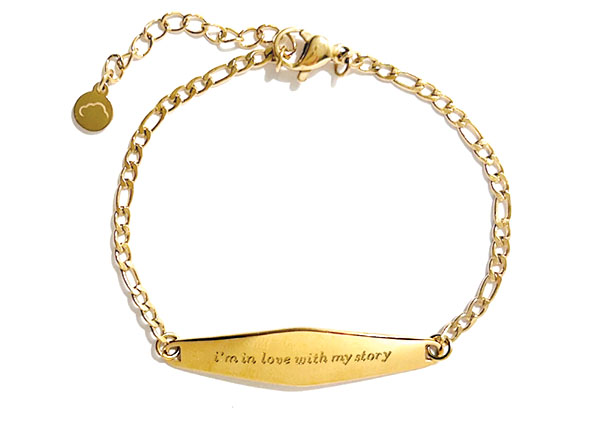
Presently Bracelets, owned by Jewish sisters Emily and Lindsay Stetzer, makes bracelets designed to shift your thinking during anxious moments and return to the present. More than just a piece of jewelry, Presently bracelets are designed to support mental wellness with therapy-inspired reminders engraved on each piece. They help busy moms stay present, quiet anxious thoughts and navigate the stress of their everyday lives. The bracelets include six CBT-inspired phrases and are hypoallergenic, nickel-free and gold PVD coated. One of their chain bracelets, which was created in partnership with ESPN reporter Lauren Sisler, says, “I’m in love with my story” ($48). encouraging those who wear it to accept their past and be proud of who they are. 

Chain Bracelet available at presentlybracelets.com

Pizza Girl Kits

Caroline D’Amore, AKA Pizza Girl, has been a staunch supporter of Israel and the Jewish people. After Oct. 7, the pink-haired entrepreneur put up a video expressing her love for the Jewish community and has since gone viral. Now, you can purchase her Pizza Girl kit for mom to show your support in return. Pizza Girl’s Starter Kit ($269) and Home Essentials Kit ($229) include a cute countertop pizza oven, a three-pack sauce sampler and bamboo pizza peel and everything else you need to make delicious pizza in the comfort of your kitchen. 

Pizza Girl kits at www.pizzagirl.com

Kendra Scott Star of David Necklace

Now is the time for mom to show off her Jewish pride. Now, with Kendra Scott’s Star of David short pendant necklace in white CZ ($80), she can do just that in style. This beautiful necklace includes a lobster clasp with a single adjustable slider bead and comes in metal or silver.

Star of David necklace at kendrascott.com/?affiliate=whitney. For 20% off and free shipping use code Whitney20. 

Book: “My Mother Always Says: 25 Lessons for Finding the Silver Lining”

Gwen Borden, who is 93 years old, always taught her daughter Amy Goober life lessons that stuck. Now, Amy has compiled them in her new book, “My Mother Always Says: 25 Lessons for Finding the Silver Lining,” $19.95. Gwen, who went through the Great Depression and World War II, shares lessons like, “One man’s meat is another man’s cholesterol” and “There are no bad experiences, only ones you don’t learn from.” The book is a tribute to the strength of women from different generations and a reminder of the wisdom that comes from a meaningful life. 

“My Mother Always Says” is on Amazon

KeaBabies Play Diaper Bag 

The Play Diaper bag from Kea Babies is a great purchase for moms with little ones at home, or moms to be. A sturdy diaper bag is key; after all, you not only have to carry around diapers, you also have to schlep wipes, bottles, extra clothing, your wallet, a cell phone charger and snacks for your kids.  It comes in latte, black, dark olive and navy blue, is made of vegan leather textures and includes a diaper changing pad, pacifier pod and insulated bottle pockets. 

KeaBabies Play Diaper Bag at keababies.com

Customizable Ema Fragrance Perfume

Whether or not you call your mom “Ema,” she will love this customizable perfume from ēma fragrance (prices range). You can mix and match luxurious fragrance notes to create a scent that feels uniquely ema. Just choose three fragrance notes, a disc compact, pop in your pods and blend them. Some of the scents include amber, vanilla, fig and gardenia. You can also purchase ready-to-go sets such as the Wellness Trio ($18), which comes with lavender, French jasmine and ylang ylang. 

Create your own perfume at emafragrance.com

Carla Rockmore Designs Sling Bag

Moms on the go will appreciate the Carla Rockmore Designs Sling Bag — a compact purse with two adjustable straps, fully zips, made with vegan leather and comes in sky blue, cobalt blue, vermillion, black and sienna orange. The bag can be used as a crossbody purse or sleek shoulder bag. Inside the carryall is a detachable wristlet with zipper pouch and an exterior pocket with a snap for mom’s phone.

Carla Rockmore Designs Sling Bag, $195 at carlarockmore.com

OM Wellness Epsom Salts

A warm bath at the end of the day is how many moms like to relax. OM Wellness’ pharmaceutical grade CBD infused Epsom salts ($16) will elevate bathtime into a spa experience. These healing soaking salts come in scents like lavender and rose geranium and are 100% vegan and cruelty free. OM Wellness is California-based and woman-owned, and their products are free of synthetic dyes and harsh chemicals. 
OM Wellness Epsom salts at om-wellness.com

Mother’s Day 2025 Gift Guide: Find the Perfect Gift for Mom Read More »

Print Issue: Israel and the Future of Civilization | May 2, 2025

CLICK HERE FOR FULLSCREEN VERSION

Print Issue: Israel and the Future of Civilization | May 2, 2025 Read More »

Sephardic Torah from the Holy Land | How Do You Spell Israeli Independence? I.D.F.

This week we celebrate modern-day Israel’s 77th Independence Day. On Hanukkah 1948, when Israel was 7 months old, it was fresh out of a War of Independence that claimed 6,500 lives, one percent of Israel’s population. The heroes who defended Israel were our modern-day Maccabees, the men and women of the newly established Israel Defense Forces.

As he stood before these heroes on an IDF base during Hanukkah, 1948, Sephardic Chief Rabbi Benzion Meir Hai Uziel expressed his deepest gratitude to them:

“Praised be you, our mighty soldiers and heroes, who armed yourselves with faith and heroism and renewed with splendor the acts of the ancient Maccabees. Praised be our sacred fallen heroes, who fell in defense of our independence, who with their blood redeemed our land and our inheritance. May their memories forever be a blessing. To you, our heroic soldiers before whom I stand, I say hizku v’Imtzu – may you be blessed with strength and courage. Through you and your heroism, the whole House of Israel will be strengthened. Continue marching ahead with bravery and courage, with hope and with faith.”

77 years later, we celebrate Israel’s independence amidst a long war for our safety and security. Who guarantees our safety, security, freedom and continued independence today? None other than this generation’s Maccabees, today’s IDF soldiers.

In one of her recent columns, my dear friend, Jewish Journal-columnist Tabby Refael, asked some of us to share thoughts on what gives us hope in post-October 7th Israel. On this 77th Yom Ha’atzmaut, my words to Tabby still stand:

“Before Oct. 7, the so-called ‘Tik-Tok Generation’ of Israelis were tagged as self-absorbed and lacking in patriotic Zionism. Dead wrong! On Oct. 7th, I witnessed with my own eyes how thousands of Israel’s ‘Tik-Tok Generation’ — my son Ilan, his wife Kayla, their friends — put down their phones and picked up their weapons, rushed to the south as first responders, took the defense of our country into their own young hands, carrying a whole nation on their young broad shoulders. Women and men of all sectors and backgrounds put their material comforts, social media and university studies on hold, boldly marched into war, fighting valiantly with a unity and passion that had my generation bowing to them in humility and gratitude.”

The IDF heroes of Rabbi Uziel’s generation, and those of today, remind me of the beautiful words that were etched in flames near the Kotel as I was sworn into the IDF in 1984: “Only those who know how to defend their freedom are worthy of it.”

To those who evade and avoid IDF service, well…

Thank you IDF heroes, Kol Hakavod. You are the state.

Chag Atzmaut Sameach.


Rabbi Daniel Bouskila is the international director of the Sephardic Educational Center.

Sephardic Torah from the Holy Land | How Do You Spell Israeli Independence? I.D.F. Read More »