This Thanksgiving, red, white and blue American flags waved among orange, gold and brown gourds, Indian corn and honeycomb crepe paper holiday decorations. “The Star-Spangled Banner” was heard among choruses of “Gobble Gobble Fat Turkeys.”
This is only fitting. In 1863, Abraham Lincoln proclaimed Thanksgiving should be observed as an annual holiday on the last Thursday of November, to foster a sense of patriotism and unity in a country enmeshed in a Civil War.
This Thanksgiving, following the horrific attacks of Sept. 11, we are already a patriotic and unified country. But, we are also a frightened and anxious country, in need of the comfort that tradition brings.
We Jews, perhaps better than anyone, know the power of tradition. We mark our lifetimes and our calendar years with ceremonies and celebrations. These provide us with meaning and a sense of identity — and, more than anything else, ensure our survival, even through pogroms, persecutions and exile.
For Americans, no national holiday is as special, as widely observed or as tradition-laden as Thanksgiving. It brings us together, Americans of all races, religions and walks of life, no matter how or when we or our ancestors ourselves arrived in this country, to celebrate a common heritage. And to eat quintessential American foods — turkey, stuffing, sweet potatoes, cranberries and pumpkin pie.
And so, on Nov. 22, we remembered the story of the First Thanksgiving, which was celebrated for three days, in friendship and peace, at Plymouth Plantation in the fall of 1621. But the story of the first Thanksgiving wasn’t incorporated into American history until the 1890s or early 1900s. And it also wasn’t incorporated entirely accurately.
Many of the Pilgrims were not merely seekers of religious freedom but rather strict fundamentalists, separatists from the Church of England, who were intent on building their version of the “Kingdom of God” in the New World. And 50 years after that First Thanksgiving, their descendants, by transmitting diseases and waging war, had wiped out almost the entire Wampanoag tribe.
“Mom, why do you have to ruin every holiday?” my son, Jeremy, 12, asks. But the truth is, while we need to remedy the historical misconceptions and re-examine our treatment of the Native Americans, we also need to retain the mythologized story. And to tell it.
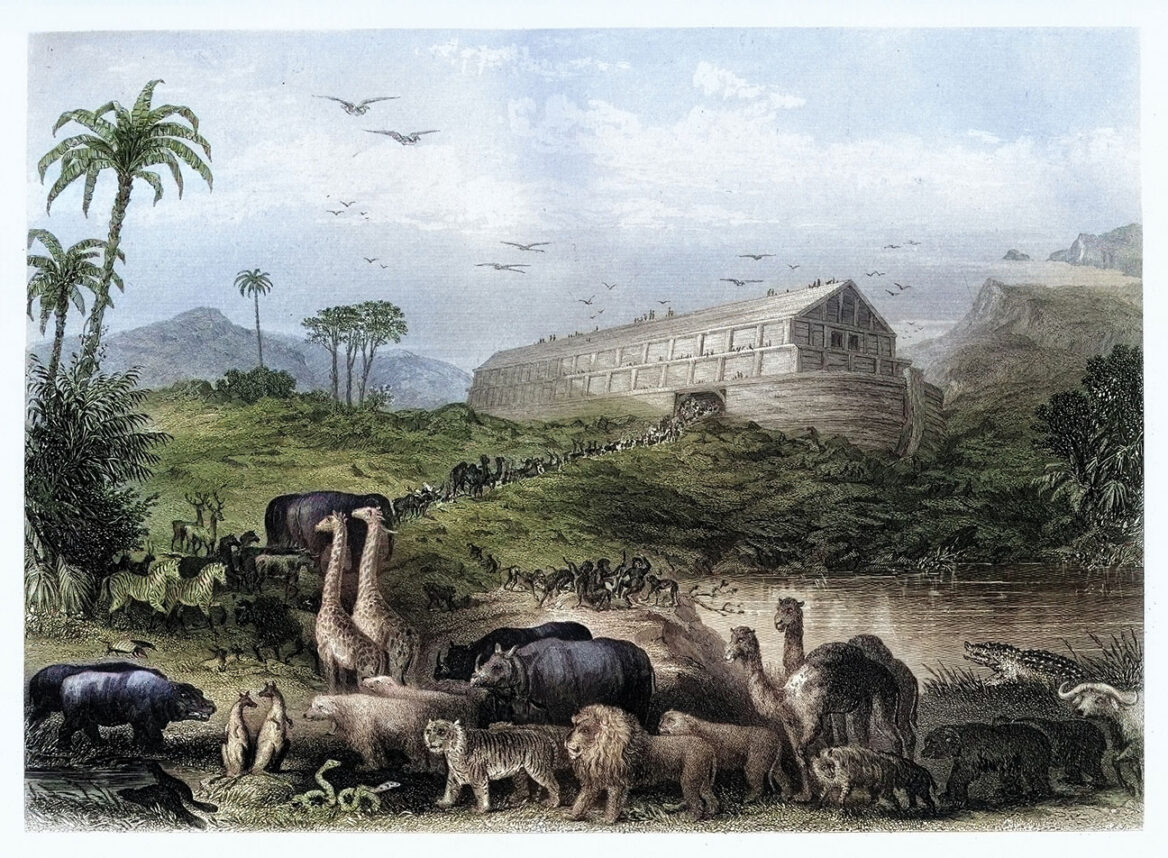
We tell the story of the Exodus, whether or not it occurred as the Bible describes it. Whether or not God literally rained Ten Plagues on Egypt, the Red Sea parted or 603,550 Israelites, along with their wives and children, their flocks and herds, wandered in the desert for 40 years.
What matters is the story — how, with God’s help, we escaped from slavery in Egypt, journeyed through the wilderness and finally entered the Promised Land. This story defines us as Jews. Similarly, the story of the Pilgrims and the First Thanksgiving defines us as Americans. As a people who fled religious oppression, who exhibited courage and tenacity in face of terrible conditions, and who ultimately survived and thrived in “the land of the free and the home of the brave.”
And so this Thanksgiving, we can add a tradition of lighting two candles and displaying them among our flags and holiday decorations. And we can hope, as Lincoln implored God in his 1863 Thanksgiving Proclamation and as is only fitting, for “the full enjoyment of peace, harmony, tranquility and Union.”
For our country and for our world.