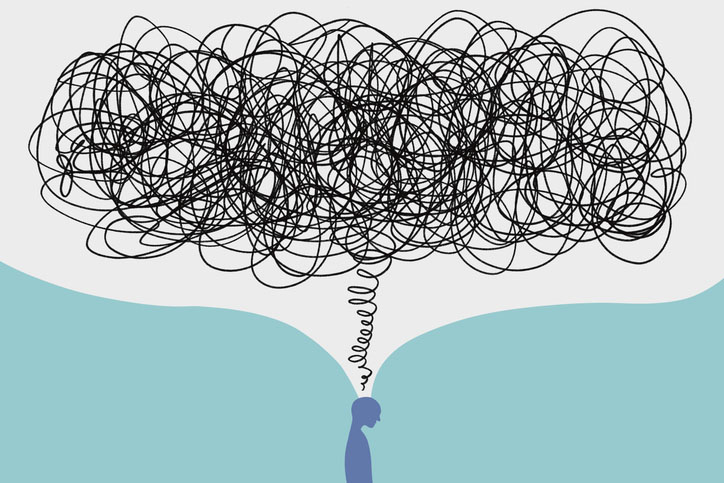
“Why not just give up hope? I mean, really, do you think that we human beings can ever get it together enough to make the world as we dream? What makes you think that we have any chance of making a difference, let alone succeeding in the task of tikkun olam, of creating a fair and decent world where all people, and I mean all people, have access to food, water, medicine, shelter, are free from war, oppression, occupation, violence, hatred, where children can go to school and learn, come home and play, and people can really feel like we have made it?”
Silence.
“Well, rabbi, are you going to say anything?”
More silence.
We sat together for a bit longer and then I told this person, who had come to see me and opened with this messianic vision question, that I am comforted by the words of this week’s parsha, Nitzavim-Vayelech. This is essentially what I said.
I believe in the goodness of humanity, the hope that we can actually make the changes he was speaking of, because of a combination of verses that we read in Nitzavim. There is just a cacophony of incredible verses teaching us how to create a better world.
This parsha is replete with hope: love, repentance, awareness, life and Torah. The theme of returning, teshuvah, comes in Deuteronomy 30:1-10, where the root shuv appears seven times. I am moved by verses 2-3: “And you return to Adonai your God, and you and your children heed God’s command with all of your heart and soul, just as I call you this day; then God will restore your fortunes and take you back in love….” No matter how far we have drifted, how far we have fallen, how ugly and terrible things have gotten, God will help us come back, return to a path of goodness and righteousness, justice, peace and love.
How? That is what the man in my office was seeking to know.
I see God as the power of love in our world, the power that opens our eyes to the fact that every human life is sacred, every human life is holy and deserving of love, compassion and mercy. When we realize that fact, when our hearts are cracked open with the pain that we are causing, then we will be able to create the world of our dreams, what some call the messianic age. My friend and teacher, the Rev. Ed Bacon, preached recently that a world that lives with the acceptable idea of collateral damage is dead to humanity. When we treat others with love, then God takes us back in love. When we realize that God is love, we will treat others with that love as well.
Rabbi Abraham Joshua Heschel, whose centennial we observe this year, continually taught us that we are in partnership with God, sharing the burden of creating a world that merits the Divine presence. Sometimes we don’t feel like we have the power to do it all alone, but as Psalm 27, the psalm of this season, reminds us, “Adonai is my light and my help, whom shall I fear?” When we seek support, God is there; when God seeks action in the world, we are there. Together, we become echad, the true oneness of a holy world.
And then there is the notion of how hard it is to do justice, love mercy and walk humbly with God, as the prophet Micah famously taught. The other section of this week’s parsha that helps me to understand what needs to be done says, “Surely this mitzvah which I teach you today is not too baffling for you, nor is it beyond reach. It is not in heaven…. No, the word is very close to you, in your mouth and in your heart, to observe it” (Deuteronomy 30:11-14).
I once heard Shimon Peres speak, saying how easy it was to make war, but how hard it was to make peace. I had always soundly believed that, until recently when I read something from Rebbe Nachman of Bratslav, commenting on these verses from Devarim. On the words, “but the word is very near to you,” the great Chasidic master teaches, “Only the way to Gehinnom is arduous and difficult. I see people spending their days and nights plotting how to go about sinning, and afterward, they regret their actions bitterly. But the way to the Garden of Eden is an easy one, and pleasant for those who walk it” (Iturei Torah).
And maybe he is right.
How much easier would it be to build a world of love, compassion, justice and peace than the continued path of war and violence? How much cheaper would it be to end poverty, provide health insurance for all people, educate and feed the world and foster peace? We see what we get for the trillions of dollars that are spent on war and domination. Maybe we ought to try a different path. No matter how far we have fallen, how ugly and terrible things have gotten, God is always ready and waiting to take us back in love, showing us how the world can be different.
Teshuvah is possible, always. Maybe it is time to heed the call of the end of this parsha, “See, I set before you this day life and goodness, death and adversity” (Deuteronomy 30:15). This moment, this Shabbat, this Rosh Hashanah, let us choose life, choose love, choose peace. This is how I keep my hope alive. Shabbat shalom and Shana Tovah.
Rabbi Joshua Levine Grater is the spiritual leader of the Pasadena Jewish Temple and Center. He serves as the Corresponding Secretary and Social Action co-chair for the Board of Rabbis of Southern California, on the national board and as Los Angeles chapter chair of Brit Tzedek V’shalom, and recently helped to found Jews Against the War. He can be reached at rabbijoshua@pjtc.net.