There is a company in Texas that for a fee of $500 will allow you to go back to kindergarten for a day. For $500 you can wear mismatched socks, finger paint, play with blocks, drink apple juice, eat graham crackers and have nap time. They have a waiting list 3 months long.
Every summer I do the Jewish equivalent of this act of regression, I spend a week at a Jewish summer camp as the rabbi in residence. Over the last three years that camp has been here in LA at Camp Alonim in Simi Valley. Where this year hundreds of Jewish kids are spending the summer swimming, riding horses, playing gaga, having song sessions after lunch, Israeli dance late into the night, wearing white on Shabbat and acting out the weekly torah portion in skits and conversations that can only happen in a sanctuary made of trees and windows open to the sky.
If you can’t tell I love camp. I am a rabbi because of my Jewish summer camp experiences as a teenager. Just look at a Jewish summer camper, they are tan, they are filled with energy, most days they are covered in paint or dirt, or both and most of all they are experiencing Judaism in a way that is making a lasting and profound impact on their lives – they are experiencing it through a joy filled community of peers.
But the lessons of camp, its transformative impact and value is not just for kids, its for grownup too. Through the eyes of Jewish summer campers we can see that they are loving Judaism right now, they are connected to each other and to a power in their life, be it God, community, Jewish history, practice or culture that is greater than they knew before.
So what’s the secret, what is it about camp that is so helpful and inspiring for the Jewish experience? What can we learn from these kids that can teach us as adult how better to appreciate the gift of our Jewish identity? (Please share your answer in the comments field below)
There are some many things I want to highlight just three lessons that we can take from camp and apply in our own homes and Jewish lives.
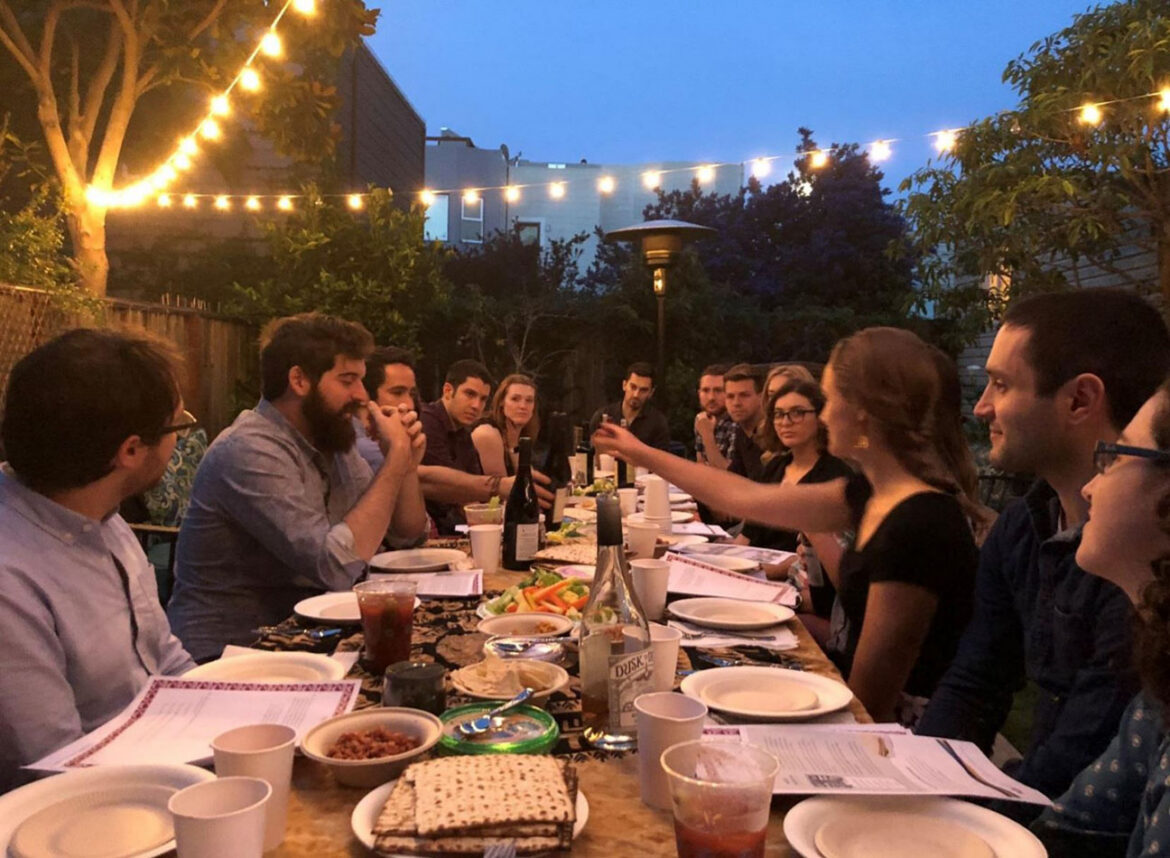
Shabbat is different time, its special time. At camp on Shabbat the food is better, we clean ourselves up, we dress in white, we sit with our friends (old and new), we take our time at the meal, we sing songs and dance afterwards. We sleep in on Saturday morning, we connect with nature, we have a long period of time to relax or take advantage of the things we didn’t get to do during the week, and we end Shabbat with a ritual that truly marks the time as different from the week that lies ahead. We can do this in our homes as well, we can make Shabbat, we can make time for Shabbat, we can tell the world it has to wait, this time, our family comes first.
Prayer at camp is a collaborative experience; it doesn’t exist unless you help create it. As a rabbi at camp on Shabbat I tell a story, some kid or kids with a guitar plays music but the campers own the service, they chose the prayers, the melodies, the readings, the setting. We need to do more of this in our congregations. Yes gone are the days where to sit in shul meant to sit on your hands stark still. Indeed now in synagogue we sing along, we clap, but we cannot stop there we need to help create, to the shape the experience, to own it. Because prayer is not the sole responsibility of the rabbi or the cantor. In Judaism it takes a community to truly pray, so we all have to contribute and not just our voices, but our yearnings and our desires, we must make plain what we need from this service and then together let us capture it.
Camp runs on Jewish time. No I don’t mean everything is 15 minutes late. What I mean is that you don’t have to go to a certain place to feel Jewish, its in the air, its in the food, its in the names of buildings, the types of activities. Judaism is a consistent thread that runs throughout your day. From blessings in the morning and over meals, to the art projects and stories shared around the camp fire. Of course it is hard to do in the real world with so many things competing for our attention and energy. But if we continue to treat Jewish faith and practice as something kept under glass, break only in case of emergency or family crisis or lifecycle event we’ll never truly learn how to use it, let alone own it for ourselves.
There is much more that camp can teach us about the joys of Judaism, but lets start there, with purposeful Shabbat, with collaborative prayer and with an embrace of Jewish ritual every day not just now and then.
You can’t spend the rest of your life in kindergarten (though my mother tells me I did spend two years – apparently I failed scissors) and camp is only for a few months of the summer. But we can each of us, kids and grownups bring a little bit of camp into our daily lives, sprinkle it around your family and throughout your Jewish identity, and see what grows there – your kids will thank you and you’ll thank yourself too.