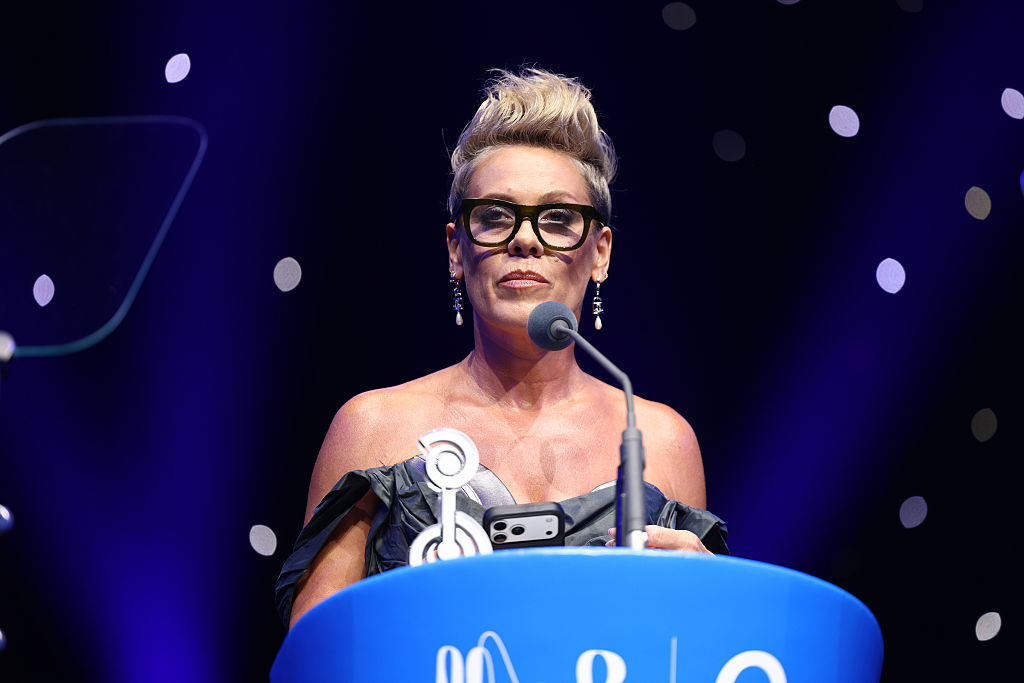

The Ruderman Family Foundation, an internationally recognized disability inclusion organization, announced actress Taraji P. Henson as the recipient of its Morton E. Ruderman Award in Inclusion, for her advocacy and leadership in addressing mental health.
The critically acclaimed TV and film actress, filmmaker, activist and entrepreneur who is living with depression and anxiety, has been open and outspoken about her mental health. In 2018, she founded the Boris Lawrence Henson Foundation, named after her father, who experienced mental health issues after serving in Vietnam. The foundation’s goal is to eradicate the stigma surrounding mental illness in the African American community.
Her work also addresses the intersection between disability inclusion and other areas of civil rights and social justice.
“As society continues to navigate through an incredibly tumultuous 2020, with a global pandemic and continued racial inequality issues, the conversation around mental health has arguably not been more important in decades,” Jay Ruderman, president of the Ruderman Family Foundation, said in a statement to the Journal. “When role models and influencers like Taraji are so vocal about their own experiences with mental illness, it has the potential to inspire millions of people to accept their own mental health issues and find healthy ways to address them.”
The Ruderman Family Foundation advocates for the full inclusion of people with disabilities and supports effective programs, partnerships and philanthropic initiatives advocating for and advancing the inclusion of people with disabilities throughout the country and around the world. The foundation works heavily in Hollywood to fight for more visibility and inclusion for those with disabilities. In July, Academy Award-winning actress Octavia Spencer joined the Ruderman Foundation calling for authentic casting of people with disabilities.
According to Henson’s foundation, 1 in 5 Americans live with mental illness; African Americans are the least likely population to seek treatment. During the COVID-19 pandemic, Henson launched a campaign to assist African Americans, who are disproportionately affected by COVID-19, with access to free virtual therapy while the pandemic continues.
“The work that her Foundation undergoes is tremendously important,” Ruderman said. “We need more people like Taraji to continue to eliminate the stigma around mental health across all our communities in America and we’re honored to be awarding her our Morton E. Ruderman Award this year.”
Henson, an Oscar and Emmy nominee and Golden Globe winner, shared her thoughts about the award on Instagram on Oct. 8.
“I am so honored to receive the 2020 Morton E. Ruderman Award, from the Ruderman Family Foundation, who are leaders in advocating for the rights of people with disabilities across society,” Henson said on her Instagram story. “Like the Boris Lawrence Henson Foundation, they also recognize the impact that mental illness can have on a person, on a family, on a community. Thank you so much for this honor. And together, we will work to create change, one heart, one mind at a time.”
Now in its seventh year, the award was named after Morton E. Ruderman, a founder of the Ruderman Family Foundation. The award has gone to advocates from several sectors of society, including filmmakers Peter and Bobby Farrelly, gold medal-winning Olympic swimmer Michael Phelps, Academy Award-winning actress Marlee Matlin, former United States Sen. Tom Harkin (D-Iowa), disability self-advocate Ari Ne’eman and Harvard professor Michael Stein.
For more information about the Ruderman Family Foundation, visit its website.