Montefiore’s windmill is the favorite wedding picture spot in Jerusalem. On any afternoon, bridal parties line up to take their photos before the landmark. Beautiful young women in glorious gowns are surrounded by giggling bridesmaids, as grooms wait nervously and parents beam with pride. When the air-raid siren sounded, there was a moment of confusion, and then all purposefully clambered down into a shelter. Five pops were heard, then they’re given the all clear and the bridal parties resumed their revelry.
Life goes on. This is Israel’s ideology and strategy. Zionism promised that we would no longer define ourselves as victims. We will no longer be identified by tragedy. This produces a stark contrast between the way events are reported abroad and how they are experienced in Israel. “Trauma,” “crisis” and “emergency” fill the emails I received from all the organizations devoted to Israel’s defense in America (together with the expected appeals for funds). In Israel, the attitude is different. It is a resigned weariness, an acceptance that this is our lot having chosen to live in the world’s most dangerous neighborhood, but mostly, a firm determination to keep living life.
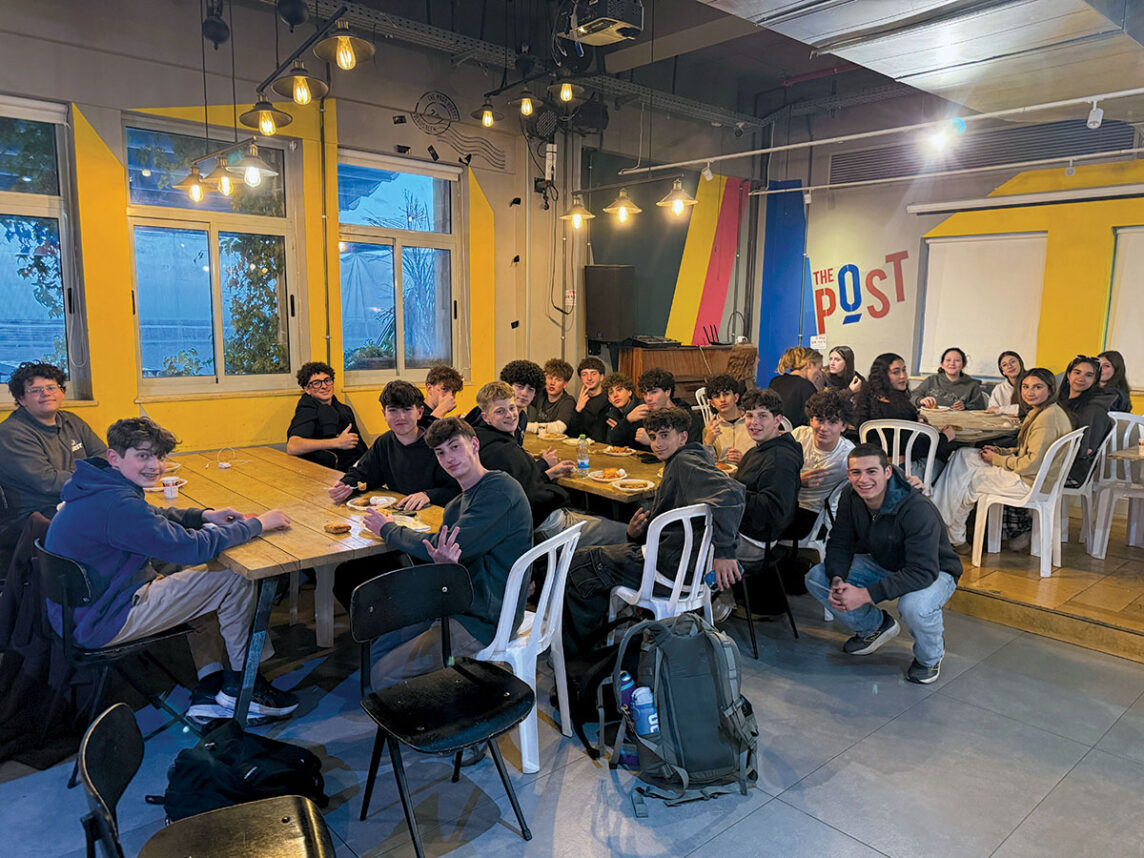
Israel’s Channel 1 is broadcasting the World Cup games. The boisterous crowd watching the game on a big projection screen in a local Jerusalem cafe complained loudly when the coverage cut away for a few minutes to report a rocket strike in Israel’s southern towns. On Channel 10’s morning broadcast, a reporter in Ashdod describes the frustration of families who don’t know day by day if their kids’ summer camp is meeting amid the daily rocket strikes.
Life will go on. Beautiful brides will be blessed; families will send their kids to play at camp; friends will unite to cheer a soccer game. Israel’s purpose was precisely this — to move crisis, trauma and emergency out of the center of Jewish existence. Israel’s purpose, its protest against all who still threaten, is to celebrate life in spite of all that may come down upon us.
Am Yisra’el Chai. The people of Israel live.
Rabbi Ed Feinstein is senior rabbi at Valley Beth Shalom in Encino