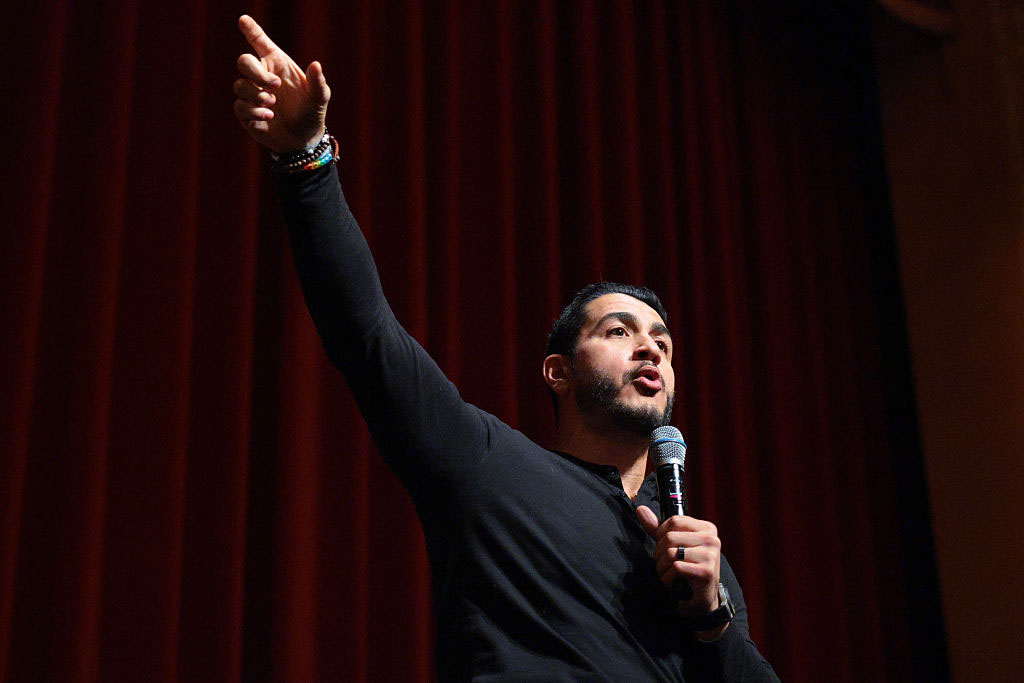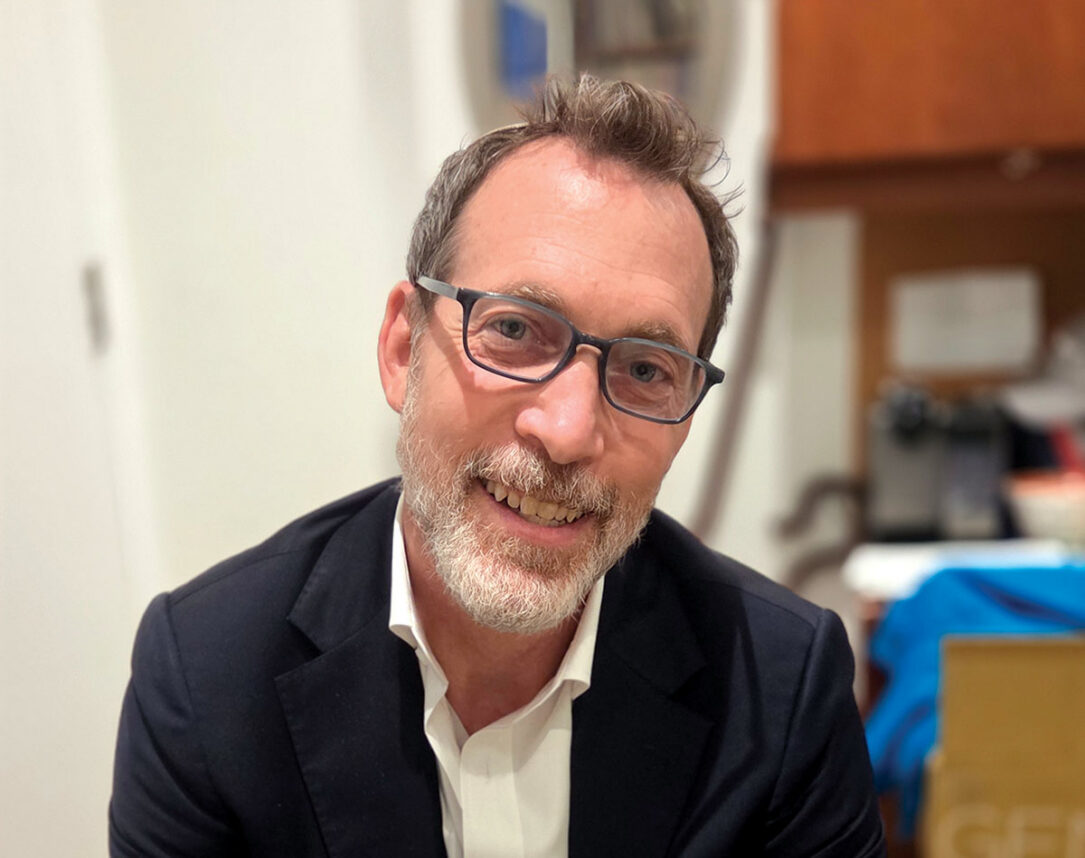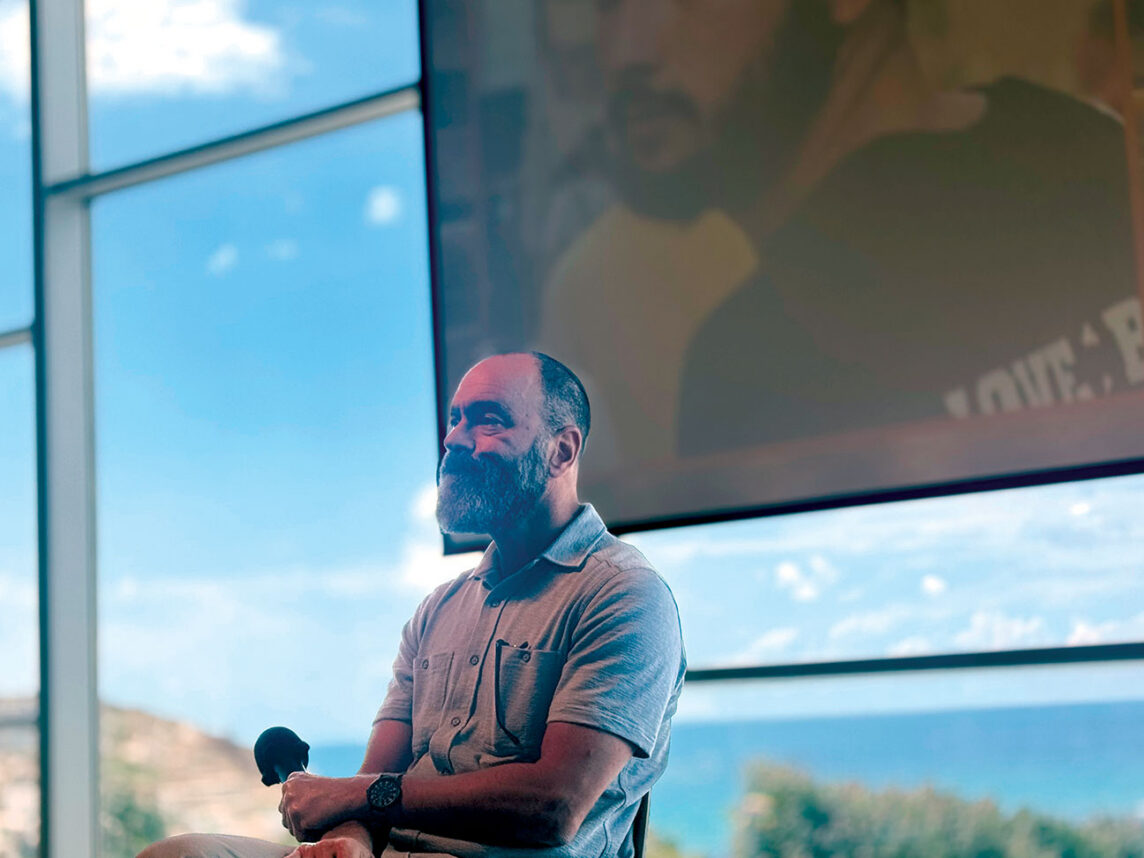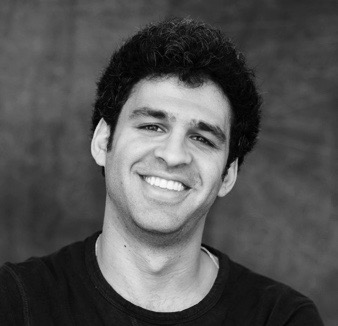
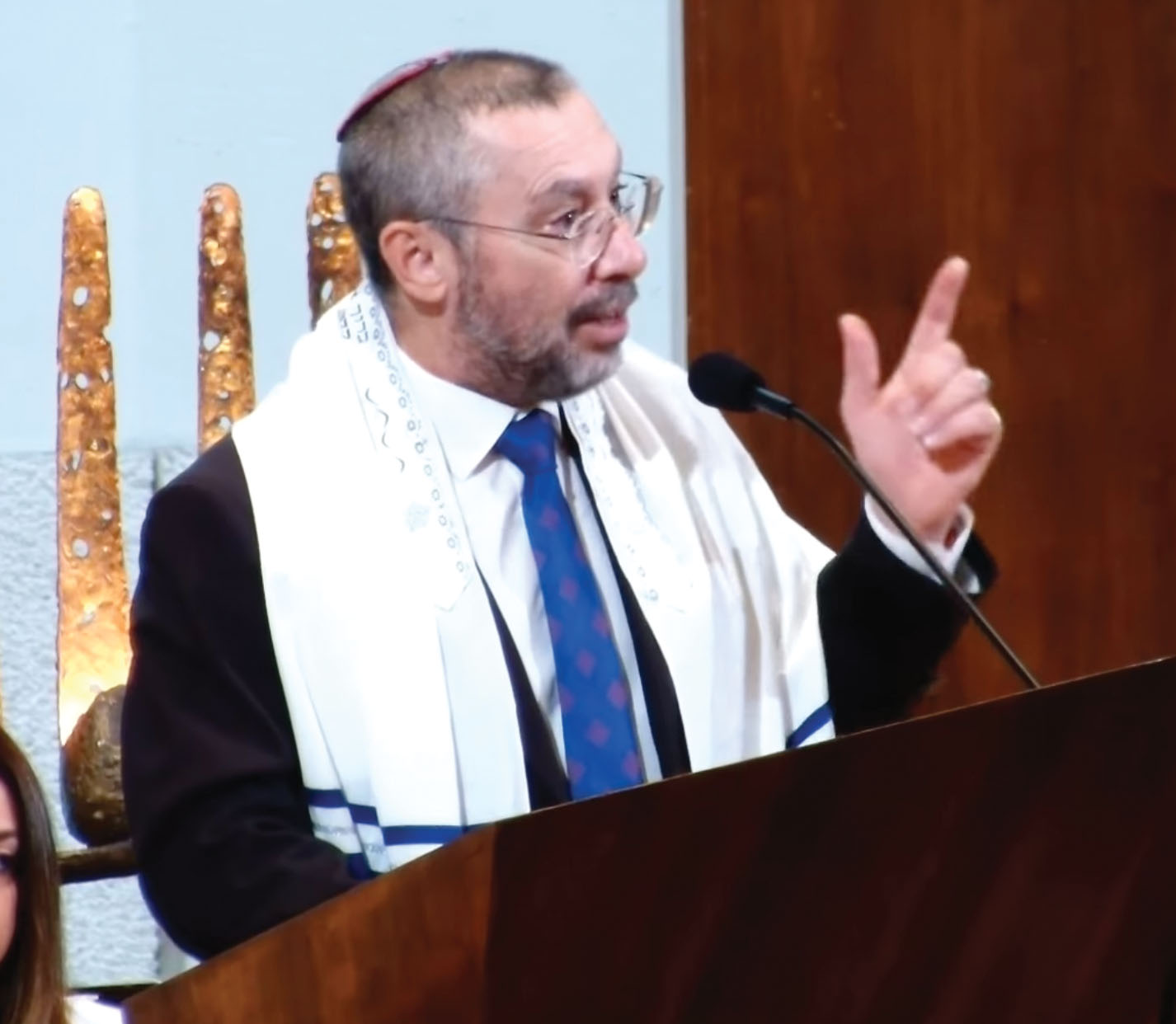
Shmuel Rosner, a Tel-Aviv based columnist and the Israel political editor at the Journal, spent this past Shabbat at Sinai Temple, where he discussed his new book, “Why Am I a Jew?” Appearing during Saturday morning services, he offered his answer in plain and simple terms:
“Why am I a Jew?” Rosner said from the bimah. “Three minutes aren’t nearly enough to lay out all the reasons, but here is one: not to betray our human potential to create a better world.”
Rosner spoke on Nov. 22, appearing first during services, then in discussion with Sinai Emeritus Rabbi David Wolpe during an “enhanced kiddush.”
During his talk with Wolpe, Rosner weighed in on the post-Oct. 7 upsurge in antisemitism, admitting he was less than optimistic about the Jewish community’s ability to change the beliefs of the antisemitic and anti-Zionist — but we must try, he said.
Because the conversation fell on Shabbat, Rosner said he preferred to not go into politics. Nevertheless, he discussed the rise of anti-Zionism and what was and wasn’t acceptable discourse. He said he was open to having debates with those who are critical of Israel and the Israeli government’s policies — in the pages of The Journal, for instance, Rosner frequently critiques the judgment of Israeli Prime Minister Benjamin Netanyahu — yet Rosner draws the line at outright opposition to Israel’s existence as a nation-state.
Those who object to Israel’s existence on the grounds of it being a nation-state conveniently ignore other contemporary examples of nation-states — so what is one left to conclude other than that criticism comes from a place of antisemitism, Rosner argued.
The friendly, hourlong discussion between Wolpe and Rosner — people snacked on bagels and cookies as the two spoke — allowed for questions from the crowd, and there were many. Mostly, those gathered in a hall adjacent to Sinai’s main sanctuary wanted to know how to respond, in the current contentious climate, to those whose criticisms of Israel are so clearly coming from a place of antisemitism, whether in high schools or college campuses, in social situations or workplaces or even on the street.
Rosner suggested people be steadfast in their support for Israel, using the facts as their greatest weapon.
When another audience member asked about the prevalence of antisemitism and anti-Zionism in the Muslim world, the speakers aimed to provide historical context for how that reality came to be.
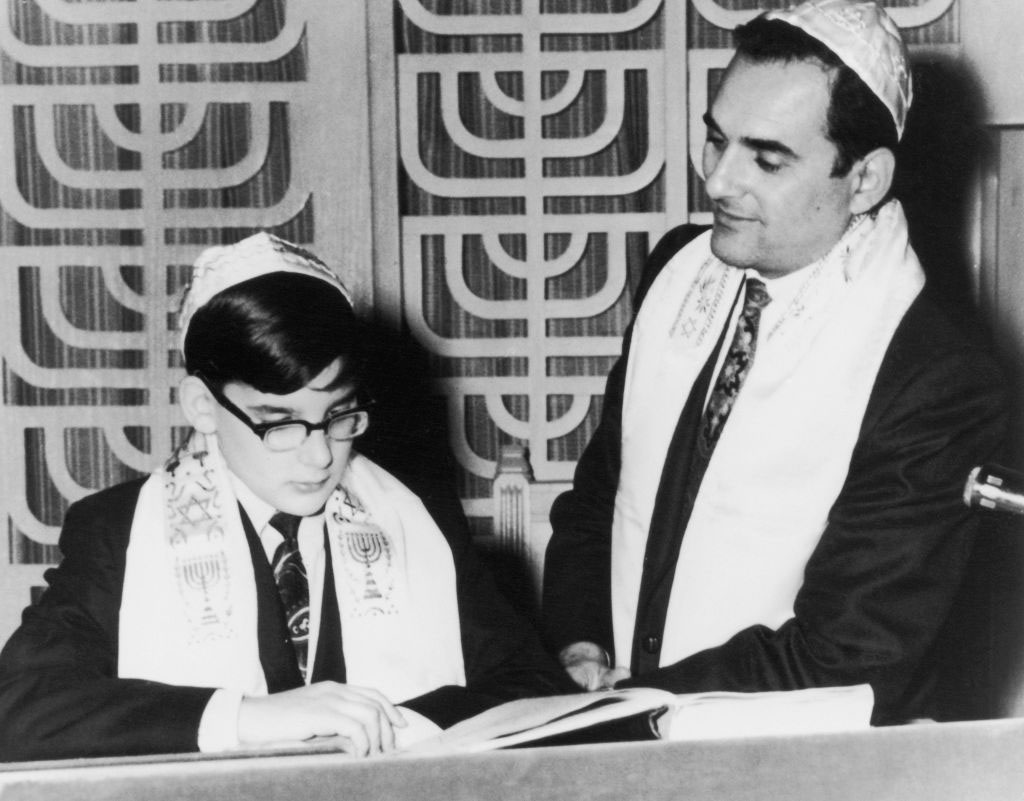
Before the kiddush, Rosner was joined by Sinai Co-Senior Rabbis Erez Sherman and Nicole Guzik. Rosner expressed gratitude for the opportunity to join the Westwood-based Conservative community in their Shabbat worship, especially at a moment when two Sinai families were celebrating their respective sons’ bar mitzvahs.
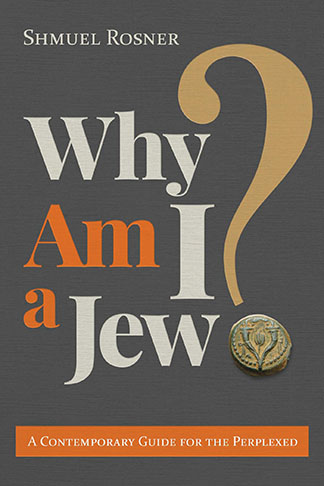 The paperback edition of his book — “Why Am I a Jew? A Contemporary Guide for the Perplexed” — was published earlier this month. The work wrestles with questions facing Jews in the 21st century while highlighting Jewish resilience in the face of seemingly endless peril and adversity. Its chapter titles include “What Is Judaism?” and “Why Do They Hate Us?” — the latter “chapter as painfully relevant today as ever,” Rosner said.
And in a post-Oct. 7 world where antisemitism appears everywhere, everyone gathered in the Sinai sanctuary on Saturday understood Rosner’s sentiment all too well.
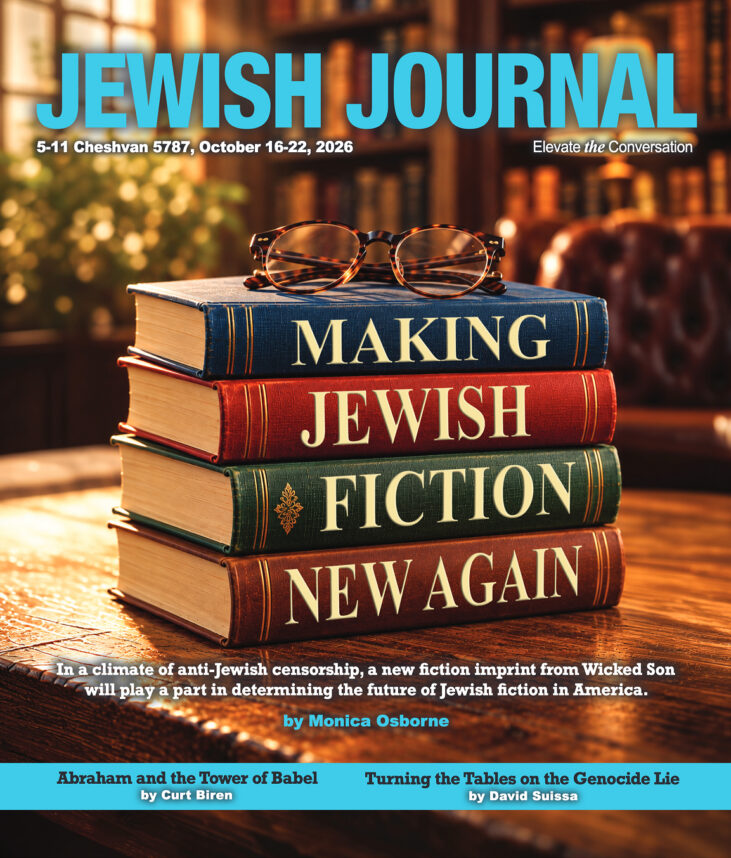
Rosner is senior political editor and a weekly columnist for The Journal, offering his analytic take on events unfolding in Israel in his column, “Rosner’s Domain.” He’s also a longtime senior fellow at The Jewish People Policy Institute, an Israel-based think tank.