Before the start of Pesach, while people will be busy with the laborious process of cleaning chametz out of their homes, the Los Angeles bridge-building nonprofit Challah and Soul will be doing something a little different: It will be holding its inaugural “Soulful Seder,” a unique, pre-Passover experience for members of the Black and Jewish communities.
“When we are out in the Black and Jewish community, what we hear most is, ‘If we have so much in common, how come it is still ‘your story’ and ‘my story’? When do we start writing ‘our story’? The ‘Soulful Seder’ is when we start!” Shonda Walkowitz, co-founder of Challah and Soul, said in a recent Zoom interview.
The seder, open to everyone, is expected to draw approximately 200 attendees, including African-American Jews, elected officials and community leaders.
It is taking place April 8 at the Skirball Cultural Center, from 6-9 p.m.
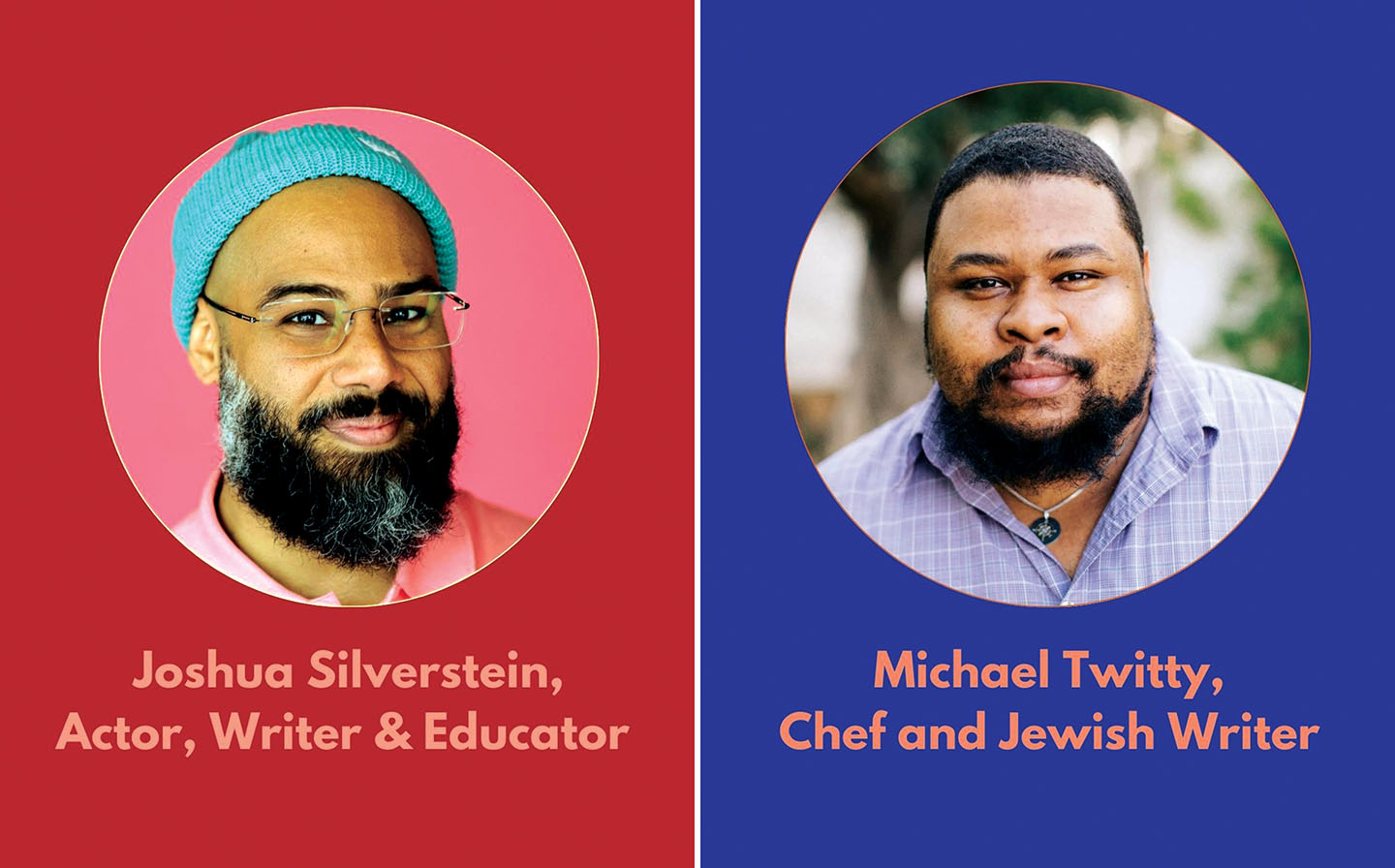
Speakers include soul food scholar and culinary historian Adrian Miller; actor, writer and educator Joshua Silverstein; and chef and Jewish writer Michael Twitty.
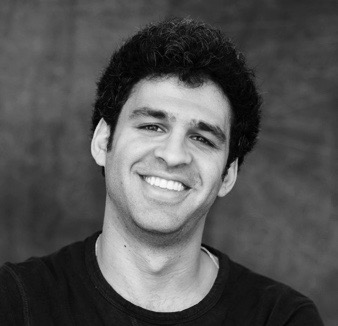
Silverstein, who identifies as Black and Jewish, will be leading the seder’s attendees in a Haggadah-making workshop.
In a phone interview, Silverstein said participants will use the 15 sections of the Passover Haggadah — kadesh, urchatz, karpas, etc. — as jumping-off points for writing prompts and other forms of creative reflection on the legacies of Black and Jewish resilience and the contemporary lessons that can be learned from the Exodus story.
“What’s so exciting about this experience is that we want people to go home and use this as a template for their own personal lives,” Silverstein told The Journal. “This is hopefully a way that people can talk about their cultural touchstones in their own families… The Haggadah is a beautiful way to be able to have these conversations, to talk about liberation, talk about freedom, to talk about, you know, Exodus, to talk about oppression.”
”The Haggadah is a beautiful way to be able to have these conversations, to talk about liberation, talk about freedom, to talk about, you know, Exodus, to talk about oppression.” – Joshua Silverstein
Twitty, a celebrity chef and an African-American Jew, will be guiding attendees through an exploration of what the event’s description calls the “theology of soul food.”
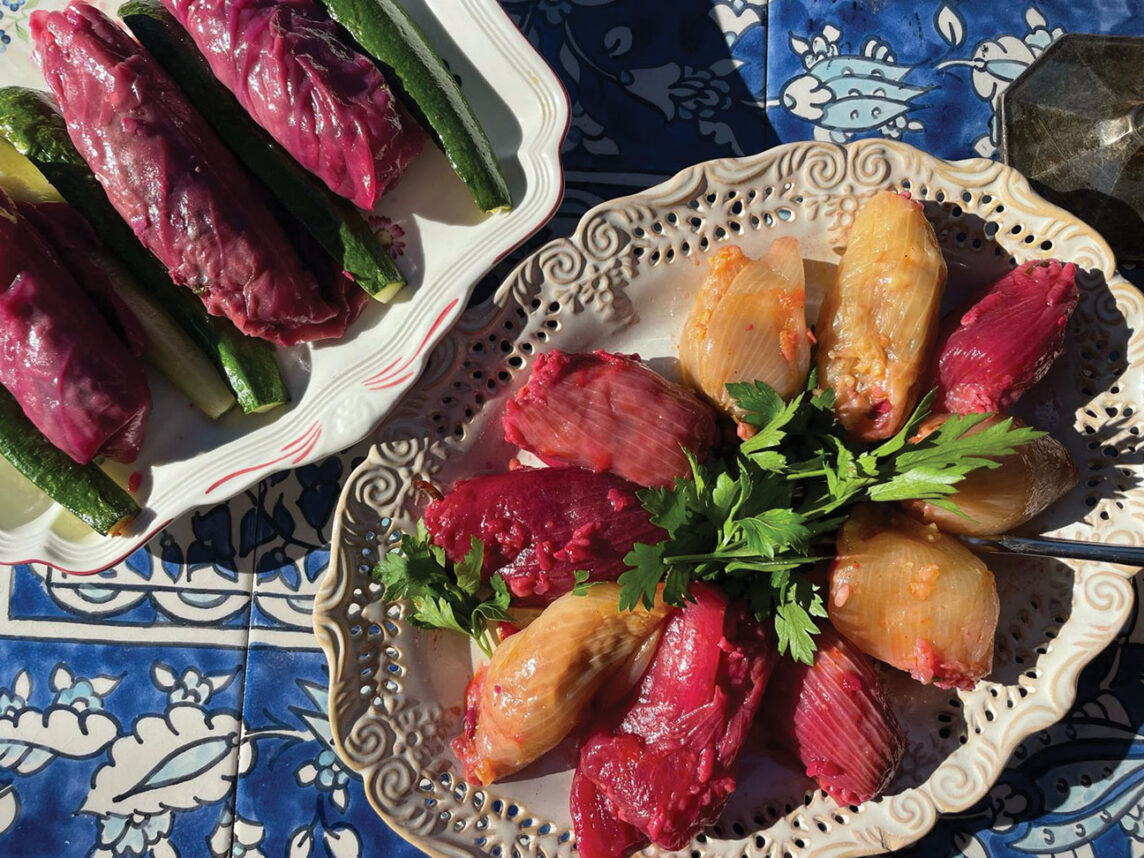
Because the seder is happening several days before the start of Passover — Pesach begins this year on the evening of April 12 — bread will be served. The Skirball’s executive chef is preparing a menu that “blends traditional Black and Jewish cuisines,” the event’s organizers said.
“We are going to have challah, because we’re Challah and Soul,” Judi Leib, co-founder of Challah and Soul and a four-decade veteran of the food service industry, told the Journal. “As Jews, we want to cram as much bread as we can into our bodies until sundown on the 12th, right?”
Leib and Walkowitz, the founding duo behind Challah and Soul, were brought together by Hadassah of Southern California in 2021. The original plan was to hold a one-off luncheon, connecting Black and Jewish moms. The more they shared the idea with other people, however, the more they saw the enthusiasm for it. Thus, they founded the organization to reignite the alliance of Blacks and Jews through food, storytelling and education.
For Silverstein, a DEI consultant at Jewish theater and storytelling organization The Braid, working at the intersection of the Black and Jewish communities is familiar territory. Jewish on his father’s side, Silverstein said there can be reluctance in the Black community to become advocates for Jews, even at tension-filled moments such as the one experienced post-Oct. 7. This is because a Black community member, in being there for another group that’s experiencing discrimination or marginalization, might worry about what they’re forfeiting in the process, he said.
Nowadays, the instinct for self-preservation – or self-protection – might be getting in the way of Jews and Blacks working more closely as allies, he said, despite there being moments throughout history, including during the Civil Rights Movement, when the communities have come together.
“Whenever you have oppression,” Silverstein said, “there is that defense mechanism and that reaction of ‘I’ve had to protect myself for so long that I don’t want strangers coming in, because what if I lose, you know, what makes me sacred?’”
The idea of letting the stranger in, opening your heart to an ally from outside of the community, can be likened to the act during the seder of setting aside an extra cup of wine and opening the door to the prophet Elijah.
In the context of Passover, Elijah is viewed as a symbol of hope, redemption and the coming of the Messiah’s arrival on earth—perhaps with that would be the more universal acknowledgement that our similarities transcend our differences.
“Race is a construct, so how do we get back to, ‘We are one?’ How do how do we get to that bridge and see the commonalities while celebrating the differences?” Silverstein said. “That’s the endgame.”
To learn more about ‘Soulful Seder,’ visit challahandsoul.org