fbpx

Sermon Sneak Peek: Rabbi Moshe D. Bryski

[additional-authors]
September 6, 2018
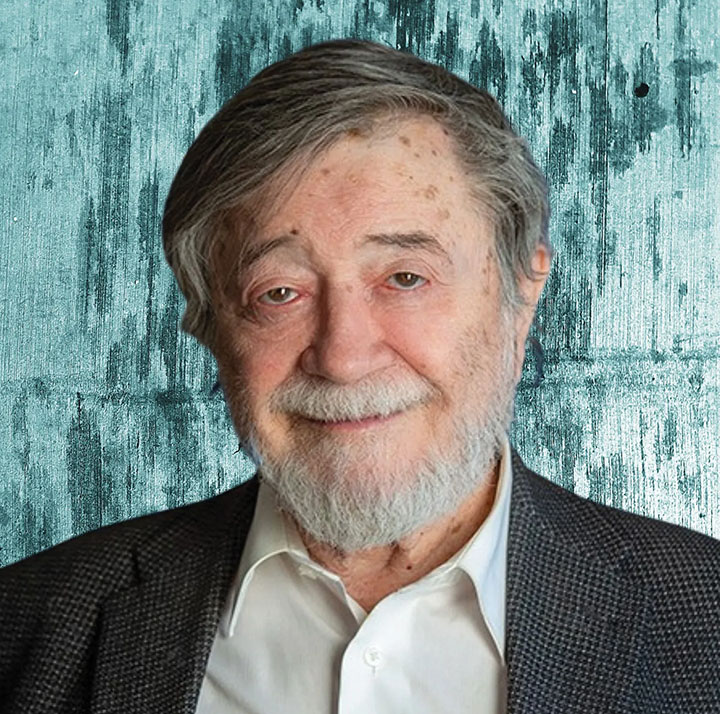
Rabbi Moshe D. Bryski

ED: The following is a excerpt from the story, “Rabbis Share Sneak Previews of Holy Days Messages” which ran in our Rosh Hashanah Sept. 7 issue. 


Rabbi Moshe D. Bryski
Chabad of the Conejo

A prevalent sentiment these days seems to be that things are “broken,” from politics to government, domestic to foreign affairs, media matters to social issues, schools to synagogues, family life to the dating scene. Spiritually, this response to events is neither healthy nor accurate. The word “broken” implies shattered beyond any hope of redemption or repair. Judaism rejects fatalism. It summons us to embrace the cracks and imperfections and use them as catapults to growth; to improving and elevating that which we can.“If you believe that you are capable of messing things up, believe that you are capable of fixing them,” says the Chasidic Master.

While things may be far from perfect, they’re even further from hopeless. There is in fact a lot of good going on in the world and in our lives. The question is wherein lies our focus? How do we frame the stories of our lives? We each have a role to play in the repair process. It begins by bringing new light into our corner of the world. Rather than “broken,” call it “under construction.” Tell an uplifting story about your life in 5779 and that will become your destiny.


Back to Sermons 

Did you enjoy this article?
You'll love our roundtable.

Editor's Picks

Latest Articles

Post-Passover Pasta and Pizza

What carbs do you miss the most during Passover? Do you go for the sweet stuff, like cookies and cakes, or heartier items like breads and pasta?

Freedom, This Year

There is something deeply cyclical about Judaism and our holidays. We return to the same story—the same words, the same questions—but we are not the same people telling it. And that changes everything.

A Diary Amidst Division and the Fight for Freedom

Emma’s diary represents testimony of an America, and an American Jewish community, torn asunder during America’s strenuous effort to manifest its founding ideal of the equality of all people who were created in the image of God.

More than Names

On Yom HaShoah, we speak of six million who were murdered. But I also remember the nine million who lived. Nine million Jews who got up every morning, took their children to school, and strove every day to survive, because they believed in life.

Gratitude

Gratitude is greatly emphasized in much of Jewish observance, from blessings before and after meals, the celebration of holidays such as Passover, a festival that celebrates liberation from slavery, and in the psalms.

Freedom’s Unfinished Journey

The seder table itself is a model of radical welcome: we are told explicitly to invite the stranger, to make room for those who ask questions and for those who do not yet know how to ask.

Thoughts on Security

For students at Jewish schools, armed guards, security gates, and ID checks are now woven into the rhythm of daily life.

Can Playgrounds Defeat Antisemitism?

The playground in Jerusalem didn’t stop antisemitism, and renovating playgrounds in New York City is not likely to stop it there, either — because antisemitism in America today is not rooted in a lack of slides or swings.

America First and Israel

As Donald Trump continues to struggle to explain his goals there, his backers have begun casting about for scapegoats to blame for the president’s decision to enter the war. Not surprisingly, a growing number of conservative fingers are now pointing at Benjamin Netanyahu.

Defending Israel in an Age of Madness

America’s national derangement poses myriad challenges to those not yet caught up in it. The anomie is daunting enough for the general public — if that term still makes sense in this fragmented age — and it is virtually insurmountable for the defenders of Israel.

More news and opinions than at a Shabbat dinner, right in your inbox.