Solly Hess, West Coast regional director of the National Conference of Synagogue Youth (NCSY), was looking for ways to get Jewish teenagers motivated about charitable giving last summer. With the help of Brandon Lurie, a YULA Boys student and NCSY regional board member, he came up with a project that would eventually make an impact on youth as well as the local Jewish community: the Teen Philanthropy Movement.
“People today have this [mistaken] impression of teens being apathetic,” Hess said.
A mere eight months since the project’s inception, students are celebrating the success of their charitable efforts, contributing $5,000 to four charities and connecting with the larger Jewish community in the process.
“The Jewish community really took notice of this project. They’re looking to the future now and are waiting to see what the next step of the project is,” Hess said.
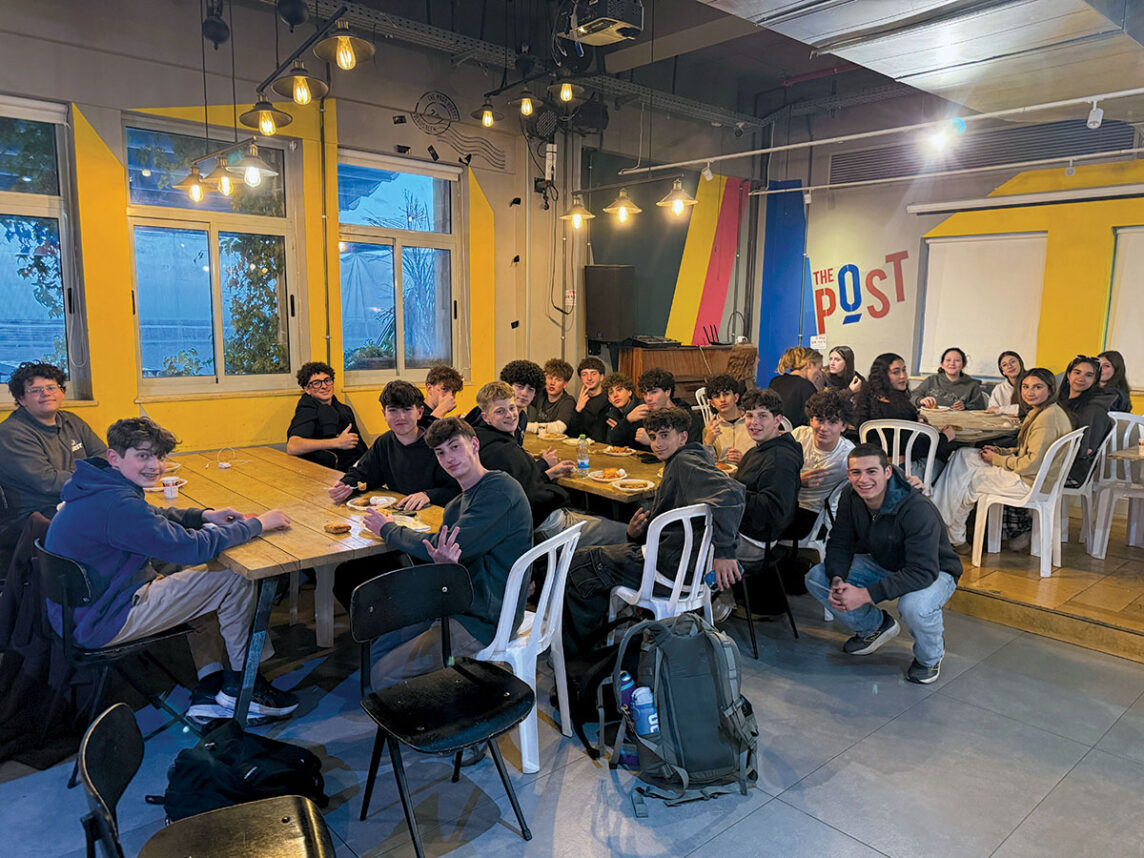
To begin the Teen Philanthropy Movement, Hess and Lurie divided the 23-member student board into seven groups, with each group assigned the task of researching seven charitable organizations. The program was divided into a trimester schedule with three core stages: research, Torah and the finale.
The Dorothy Phillips Michaud Charitable Trust granted the Teen Philanthropy Movement $5,000, and Lurie said each group had to do in-depth research to decide which charities would need and benefit most from the money.
“In these troublesome economic times, many self-funded Jewish organizations have lost their thunder and are barely functioning with the money they have,” Lurie said. “That’s where we come in.”
The seven groups, which consisted of boys and girls from various local high schools, including Milken, YULA, Shalhevet and Hamilton, as well as SCY (Southern California Yeshiva) High and Torah High School of San Diego, all started off with an initial selection of seven charities each. The groups then met monthly, presented their charities to the larger student board and whittled their pools down to a single beneficiary agency. The finalists were known as the Chosen 7.
The second phase incorporated Torah learning. Students met with rabbis and other community leaders to learn about the role of tzedekah (charitable giving).
“The students built real relationships with their community representatives over the course of the program, while learning from them about philanthropy through the Torah in the process,” Hess said.
During the final trimester, the students learned firsthand about their chosen charities by visiting and volunteering with the organizations. Representatives from the charities also taught the seven groups about Jewish perspectives on philanthropy.
On Feb. 29, after three months of garnering a wealth of knowledge and experience, the students pitched their favorite charities to a panel of four judges, each active in
the Jewish business community — Leslie Kessler, Steve Bram, Rhoda Weisman and Joel Levine — at Young Israel of Century City during what Lurie called Decision Day.
“It was an unbelievable night,” Lurie said.
After the presentations, the judges were stumped.
In the end, the judges decided to split the $5,000 evenly among four charities: Camp Chesed, Shoes That Fit, San Diego Community G’mach and The Hero Project Holocaust Education Reach-Out.
One of most touching moments for the group came when one of the winning charities, Shoes That Fit, a Claremont-based charity that donates shoes to children, wrote a letter of thanks to the Teen Philanthropy Movement: “Because of this project, more children will attend school in comfort and with dignity, wearing shoes that fit. Our mission of providing new shoes to children in need for school would not be possible without the generous support of people like you.”
Hess says NCSY is looking to expand the Teen Philanthropy Movement.
“We want to get more high schools on board for next year’s project and eventually spread it out to the Bay Area,” he said. “A big boost to the project is Esther Feder, who has become chair of the Movement. As an experienced fundraiser and former chair of [the] Shalhevet High School [board], she’s going to be a real force in propelling the project to new levels of success.”
Hess added that it didn’t take much effort to sell Teen Philanthropy Movement to the teens, and he credits Lurie with helping to motivate them.
“Brandon Lurie has a passion for philanthropy,” Hess said. “Once I got his help, the rest of the team followed under his leadership. And we didn’t have to push the teams; they were motivated by their own desire to give back.”