The scariest conversation I’ve had recently was with a college counselor at a local high school.
She said she has to tell parents and students that acceptance to the California State University (Cal State) system is no longer a sure thing. What’s more, the once near-certain transfer from a community college to a University of California (UC) is no longer so automatic.
At the root of the problem is money. The schools can’t expand to fill the demand; in fact, they are shrinking. Classes have been cut. Foreign and out-of-state students who can pay full fare get greater priority than ever before. What used to be assured for students looking to better themselves and contribute to society is now, in some cases, a long shot.
And it’s only going to get worse.
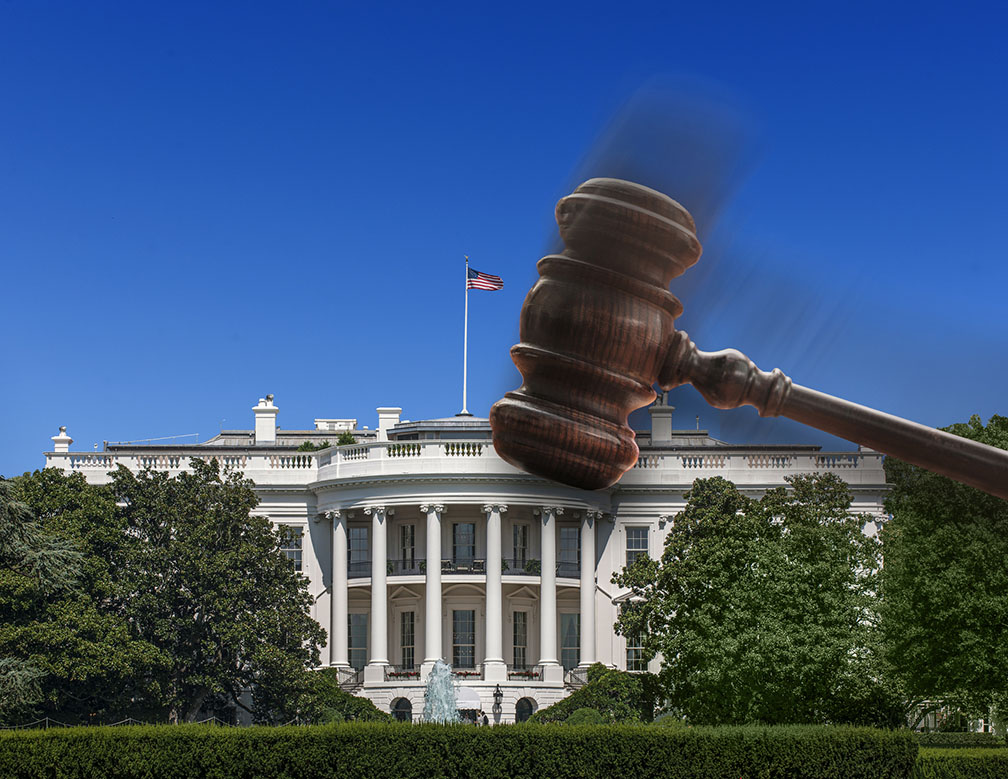
The state budget that Gov. Jerry Brown and the Democrat-led legislature passed on June 28 will take $650 million each from the Cal State and the UC systems. Those cuts come after a decade of reductions that began under Gov. Arnold Schwarzenegger, who slashed UC budgets some 20 percent.
The education cuts are among many tough choices Brown and the legislature made, including cuts in mental health, elderly, low-income and handicapped services, in an attempt to close a $26.6 billion state budget deficit.
As a result, education officials predict a shortening of the academic year, reduced ability to attract and retain top professors and researchers, an increase in the cost of community colleges, layoffs at universities that employ thousands of Californians, and tuition hikes approaching 20 percent.
Let’s be very, very clear about what is happening on our watch. We, the current generation of Californians, are overseeing the decay and degradation of the greatest gift the previous generation has bequeathed us: our system of public higher education.
What’s worse, we are robbing future generations of the opportunities we had, and in the process, we are taking a wrecking ball to our state.
Democrats and Republicans can argue ad nauseam about how to solve California’s budget deficit. But there is no serious partisan disagreement over this fundamental fact: You cannot have a great state without a great public education system.
Just think of our own little world, our own community. In so many cases, it was access to inexpensive, excellent public schools and universities that enabled many of us in the community to evolve from our grandparents’ struggling roots to become a professional and entrepreneurial class. The University of California turned out to be one of the greatest Jewish institutions the world has ever known. How much wealth, achievement and success can be traced back to its campuses?
“It was accessible to anybody who earned it,” Zev Yaroslavky, the Los Angeles County Supervisor — and UCLA grad — told me over the phone last week. “All they needed was the intellectual capacity and the drive to succeed.”
The true tragedy is that the next generation of worthy students simply won’t have the same opportunities. But they aren’t the only ones who will pay a price: We all will.
Universities are society’s economic engines, sure. But perhaps the public universities’ greater value is the values they stand for: that anyone who works hard enough can succeed. Trample on the path to affordable, excellent education, and you trample on hope.
Reading the Internet and listening to talk radio, you get the impression that the people to blame for these deficits are the students themselves — who have the temerity to expect the same quality of education their parents were offered — or those fat pensions UC executives and employees get.
I do think that in an era of tight money, until we get our house in order, some cuts, pension reform and some hikes are necessary. Share the wealth, share the pain.
But what seems to be happening in this round of budget “compromise” is just the pain part.
For instance, Yaroslavsky pointed out that under Schwarzenegger the state revoked its taxes on luxury items like yachts and private airplanes. The new budget retains those tax breaks.
Are taxes on Gulfstream Vs enough to close the gap? No. But the refusal to increase, or even extend, any tax revenue, even among the richest among us, sends a clear message — let the burden fall on those who are least able to fight back.
Raising these questions inevitably brings accusations of class warfare, but it’s hard not to think that the war started a while ago, and only one side is fighting.
In the end, though, we all lose.
“If these are the values of our state today,” Yaroslavsky said, “shame on all of us.”
Then again, maybe he’s overreacting. Maybe I am, too. Maybe higher learning is overrated. After all, the governor, the legislators and most voters all have college educations — and look what a mess we’ve made of this great state.