















We need not know where every decision will lead before taking the first step. Sometimes acting upon our deepest convictions is itself the beginning of wisdom.

New opportunities and challenges have always come and gone. But pulpit clergy with their years of training, education and perspective on life, generated from atop the pulpit, are especially well suited for whatever lies ahead.
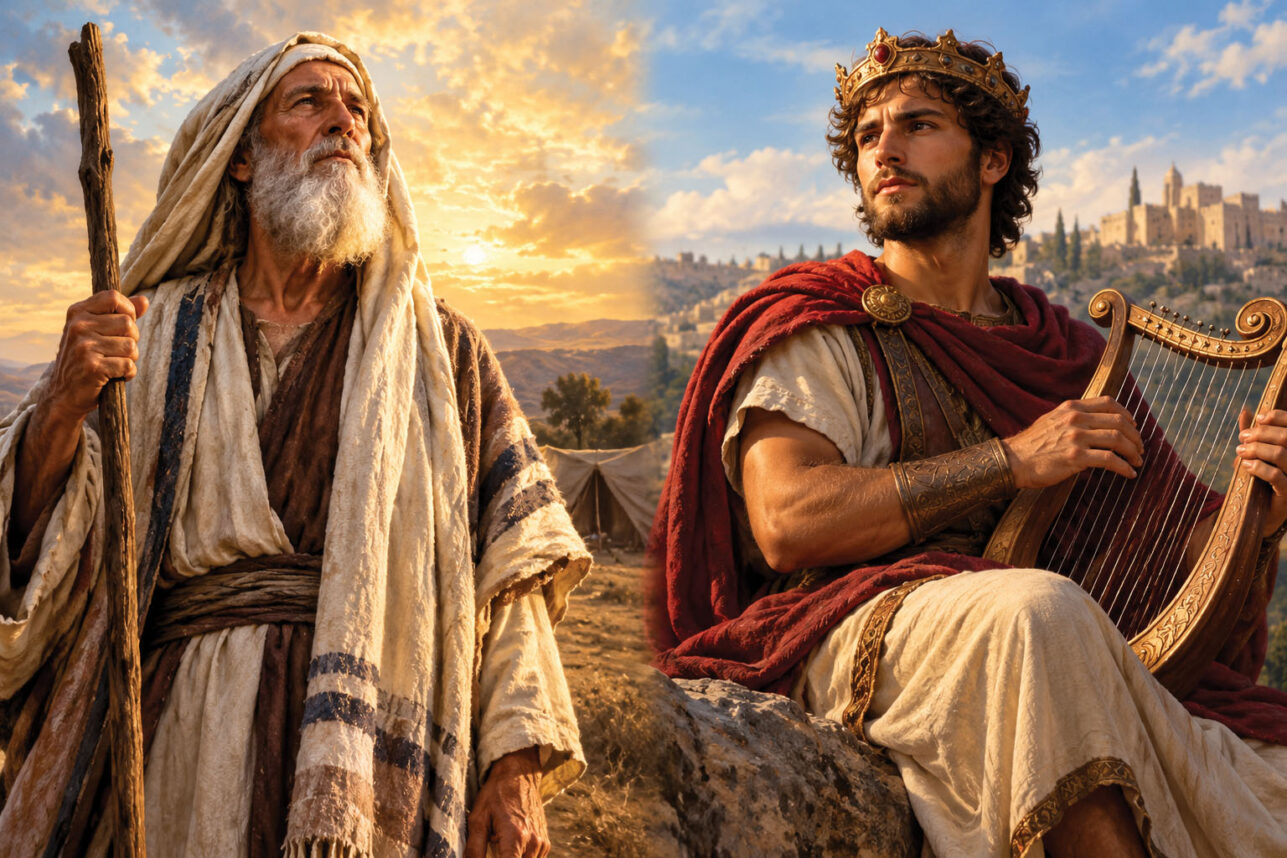
Anyone who votes, or leads, would be wise to study the story of Abraham and David.
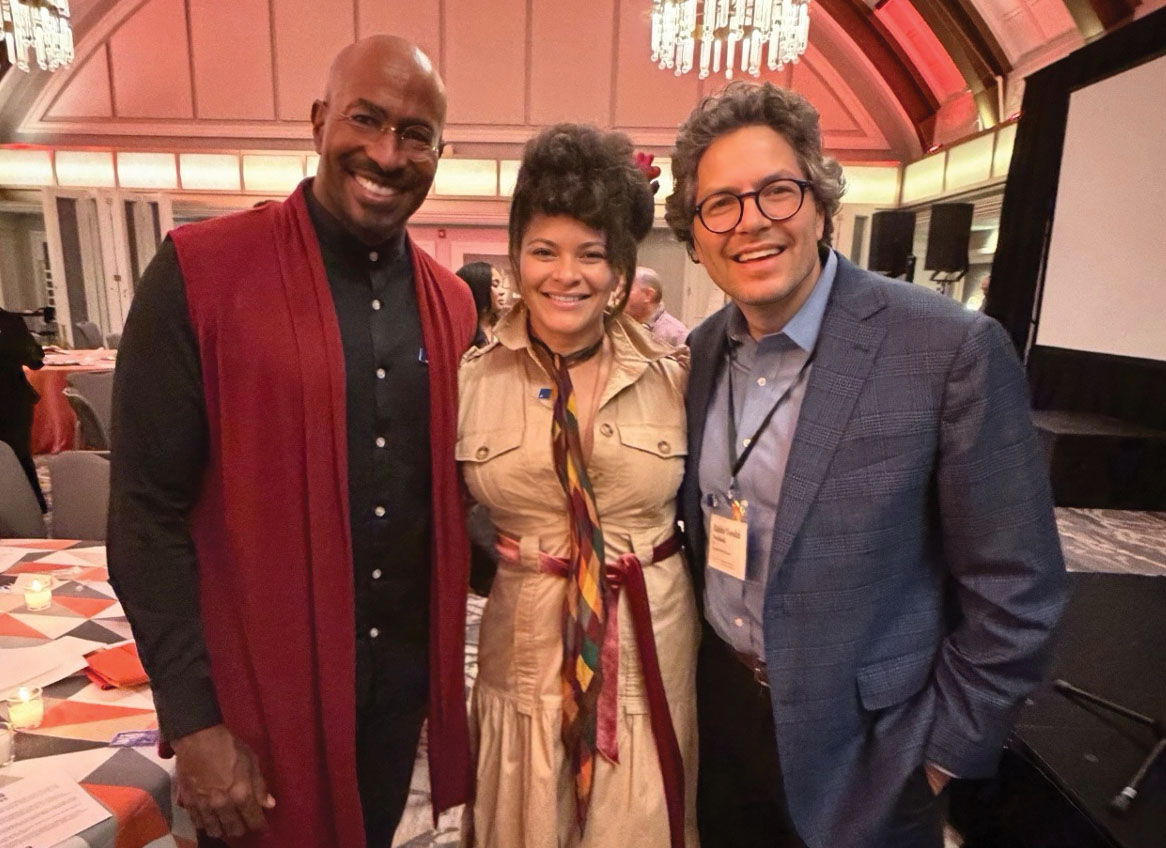
The Tower of Babel reminds us how easily language can divide us. Our shared history reminds us of what becomes possible when we find ways to understand one another.

What is especially troubling to me is that at many of these protests in France you will find signs reading “Intifada Revolution” and “From the River to the Sea, Palestine Will Be Arab,” along with ubiquitous Palestinian flags, and Hamas flags too.
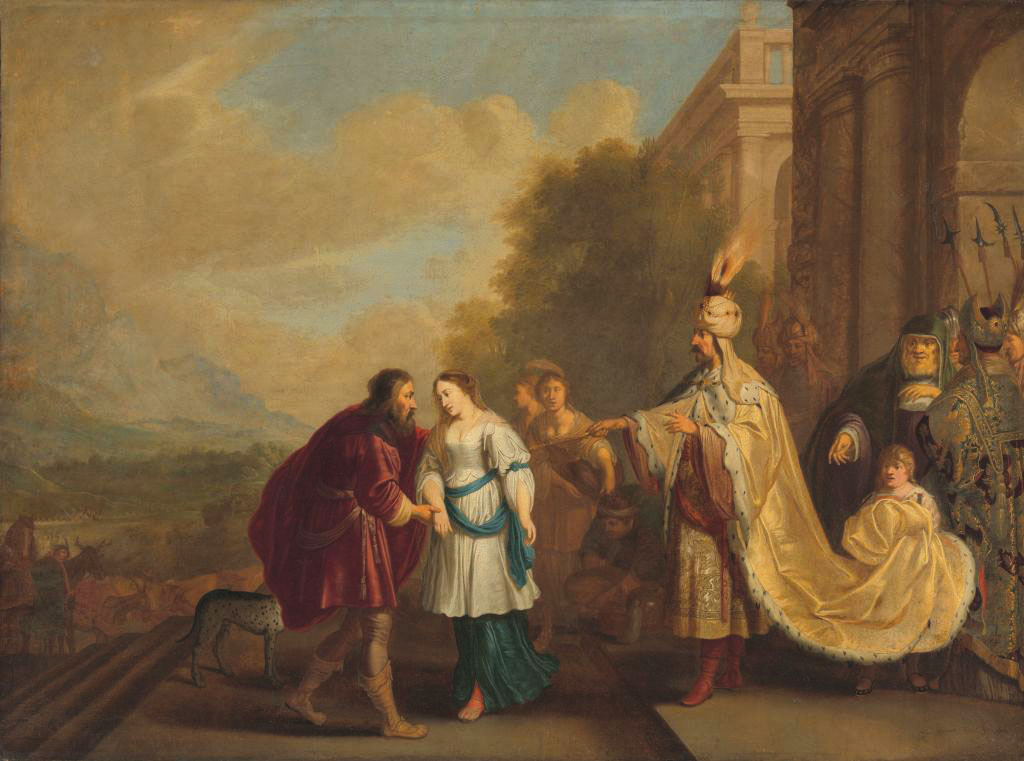
In this parsha, we meet the first hire — employee #1 — of Jew, Inc. a new God-created enterprise that will change everything.

Determine how much a man’s life – and death – are WORTH? The man who did this for the 9/11 families!

It is the first time two women are running against each other in the general election for Los Angeles Mayor.

As an Iranian-born Jewish American, I cherish the right to participate in choosing our leaders. That means researching candidates, understanding the powers of each office and expecting promises to be matched by follow-through.

The question is not only which campus will be safe for our children. It is who our children will be when they arrive.

Facing potential mob violence, silence can become a kind of rational, albeit disappointing, response.


Zionism, to me, begins with a decision: to stay and refuse to give up – even when election results disappoint us, even when the government pursues a course we fiercely oppose.

There is a special need for the critics of Israel to repent for their false charges against Israel of starving Gazans.

When TV was free, somehow there was always something to watch. It was a very Norman Rockwell experience. The whole family would gather in the living room. The dog was asleep on the woven rug.
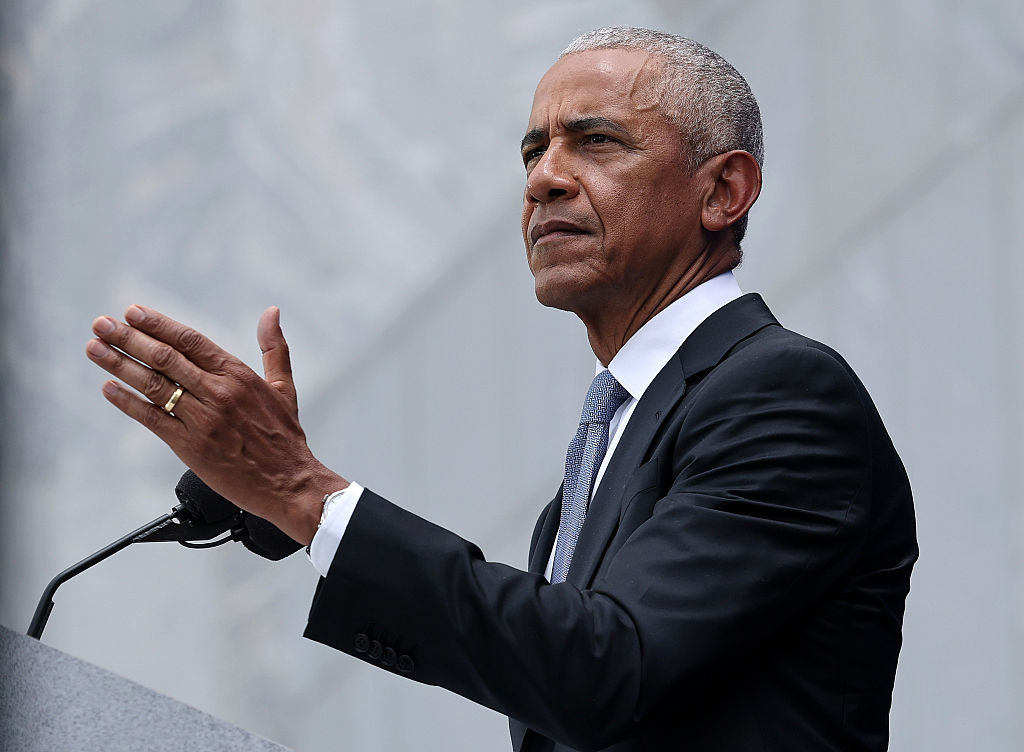
The fact that he thinks such a once-radical message will be accepted by the American people speaks volumes as to the challenges that the winner of next week’s Israeli elections will face in the court of American public opinion.
Northern Ireland learned at a terrible price that political agreements alone cannot secure lasting peace while armed terrorist groups remain committed to violence.

A new damning disclosure may finally be too much for even diehard Democrats to overlook.

Greenberg is a veteran nonprofit fundraiser for Jewish organizations with ample experience in higher education as well.

Of course not. A scene of angry French Jews burning down government buildings is as likely as a UFO sighting.
