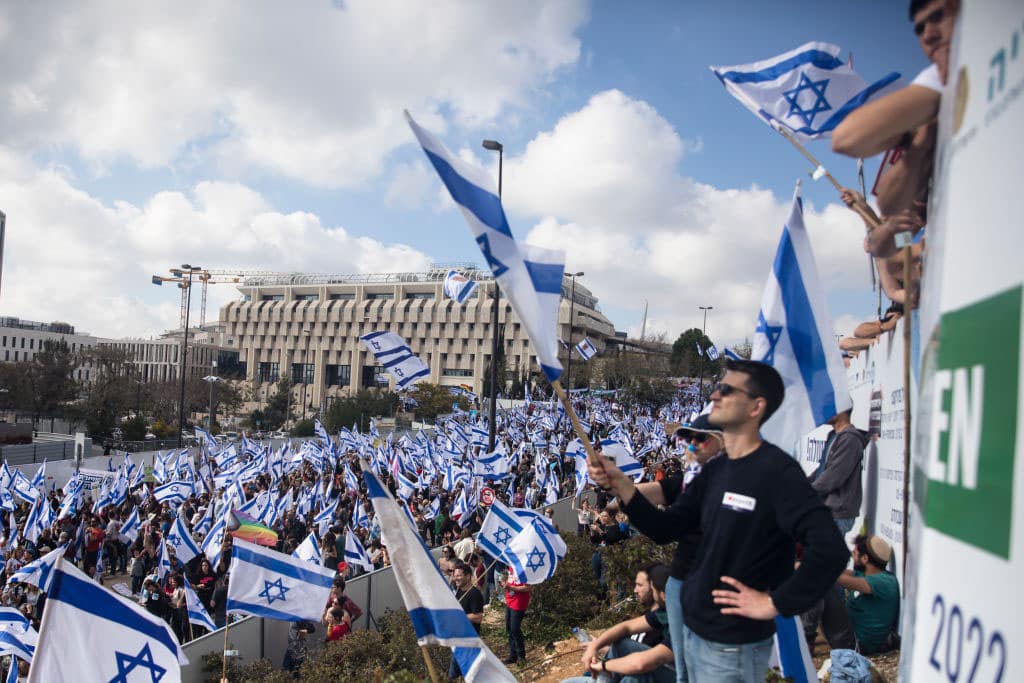
There are some columns that are easy to write. This is one of them. The images of tens of thousands of flag-waving Israelis marching in scorching heat from Tel Aviv to Jerusalem these past few days were extraordinary. Regardless of where you stand politically, it is hard not to be moved by such a primal demonstration of raw, human energy.
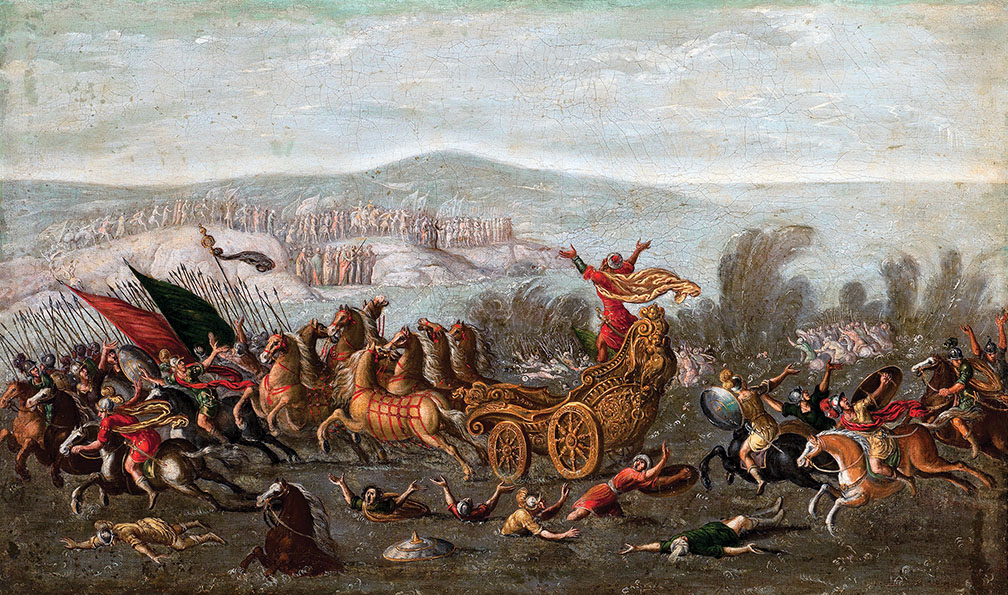
These are not protestors in their pajamas using Twitter, Tik Tok and Instagram to express their outrage. These are protestors tweeting with their exhausted feet for days on end. When’s the last time we witnessed such a scene? Indeed, when did we last witness a sea of Jewish humanity crossing fields and deserts toward a promised land? Dare I say the bible?
The stunning march to Jerusalem that will surely go down in Israeli history was not a one-time burst of human outrage. It was the culmination of 28 straight weeks of demonstrations since Israel’s far-right coalition announced on January 4 its plan to overhaul the judicial system. With a crucial final vote on a key part of the legislation scheduled for early in the week, the protestors timed their march to have their presence felt with legislators. If the coalition continues to dig in, a dangerous tipping point looms.
From the beginning, proponents of the overhaul have tried to discredit the protest movement. They called them leftist Tel Aviv elitists, puppets of outside funders, Ashkenazim stripping the rights of Mizrachim, secular Israelis out to protect a narrow agenda, anti-democratic forces who refuse to accept the results of an election, and so on.
Had the protests lasted a few weeks, those attacks might have gained traction. But the protestors never stopped. Week after week, in big cities and small towns, these valiant Israelis from all walks of life left their homes and marched. Above all, they held the Israeli flag.
Week after week, in big cities and small towns, these valiant Israelis from all walks of life left their homes and marched. Above all, they held the Israeli flag.
These were hardly puppets of some outside forces. They were patriots of their country. They understood that a government—any government—that can do pretty much anything it wants without any check from an independent Court is a significant threat to the very soul of Israel.
And, as too few commentators have noted, that threat works both ways. One day in the future, a different coalition might legislate things that would drive the current coalition crazy. Who will stop that government if it decides to dismantle the Chief Rabbinate, force every Charedi to join the army, dismantle all illegal settlements and open everything on Shabbat?
No one will stop them, because this judicial overhaul is designed precisely to transfer maximum power to the executive and legislative branches, which in Israel’s system are one and the same.
The hundreds of thousands of Israelis who have marched for seven months understand this. The only ones who pretend not to understand are those who can’t wait to see far-right policies implemented. They are like the teenagers who are counting the days until the parents go on vacation so they can begin partying and trashing the house.
Sadly, Prime Minister Benjamin Netanyahu is allowing the house of Israel to be trashed. He sees his country mired in unprecedented turmoil and is pouring oil on the fire rather than water.
What’s most tragic is that he knows the right thing to do: Stop the partisan overhaul and begin a process of reforms that will have a broad national consensus. The problem is that he won’t risk upsetting his extremist partners who have the power to take down his government. And as we’ve seen all too well over the years, Bibi has shown that he’ll pay virtually any price to stay in power. The difference now is that it is his country that is paying any price.
His Likud party has never looked so lame. Likudniks have been hiding their faces while their country has been burning. They’re not fools. They know that a leader who allows such national turmoil and division is not worth supporting. Their silence, however, is implicit endorsement– a sign that they’re putting party over country. As my friend Gil Troy wrote recently, we are watching “The silence of the Likud lambs.”
It’s still possible that a miracle will happen in the next few days. All it would take would be five brave Likudniks to stand up and announce they will not support legislation that is tearing the country apart. If this causes the government to fall and Israel goes to another election, at least then the stakes will be crystal clear.
It’s still possible that a miracle will happen in the next few days. All it would take would be five brave Likudniks to stand up and announce they will not support legislation that is tearing the country apart.
For the historic marchers of Jerusalem, as well as protestors everywhere, an election where everyone will know exactly what they’re voting for would undoubtedly be the promised land.
That would be another easy column to write.