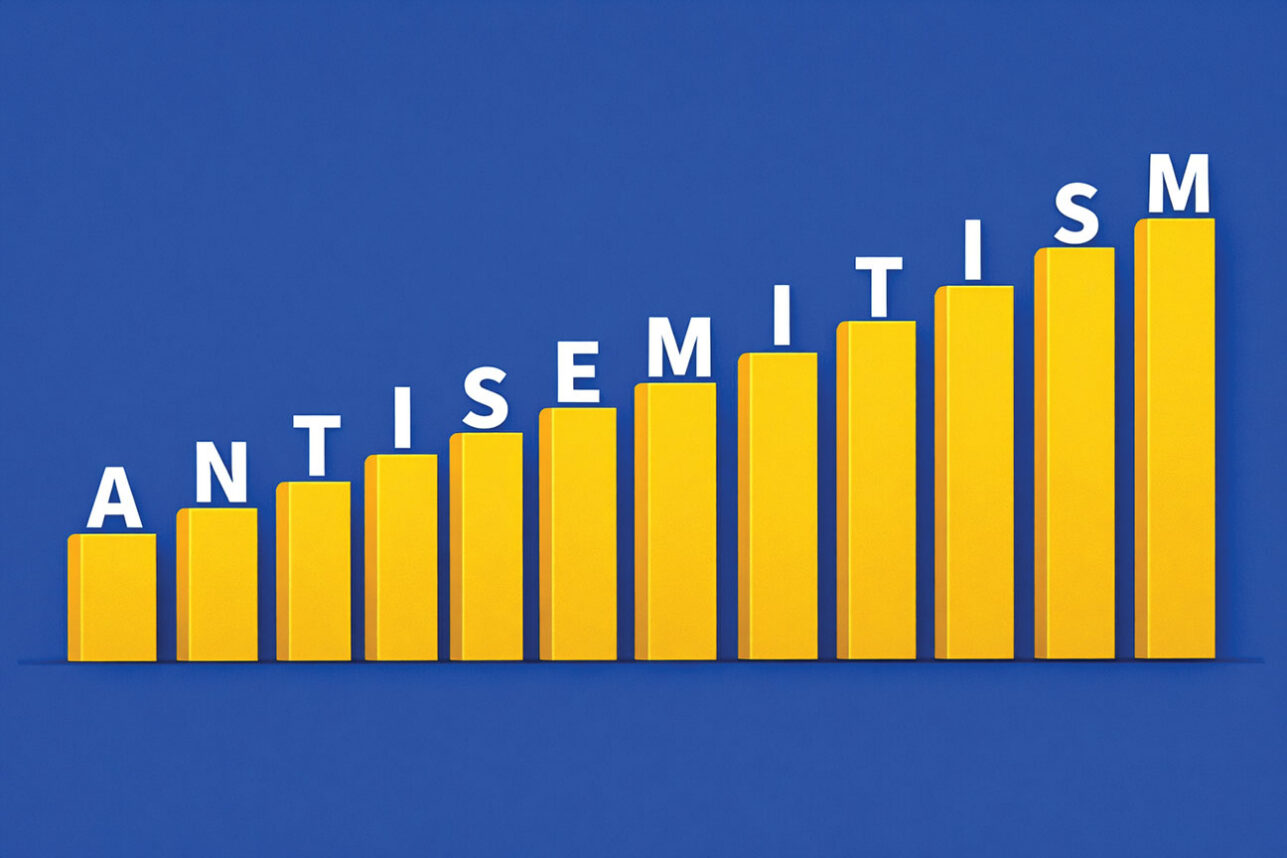
In 2019, a series of anti-Semitic attacks in the United States left Jews horrified and rallying for change.
In 2020, we’ve had to prioritize the hardship of the coronavirus lockdown, pushing aside once pressing issues because we don’t have the mental or emotional bandwidth. Here are some updates on anti-Semitic attacks in 2019 readers may have missed:
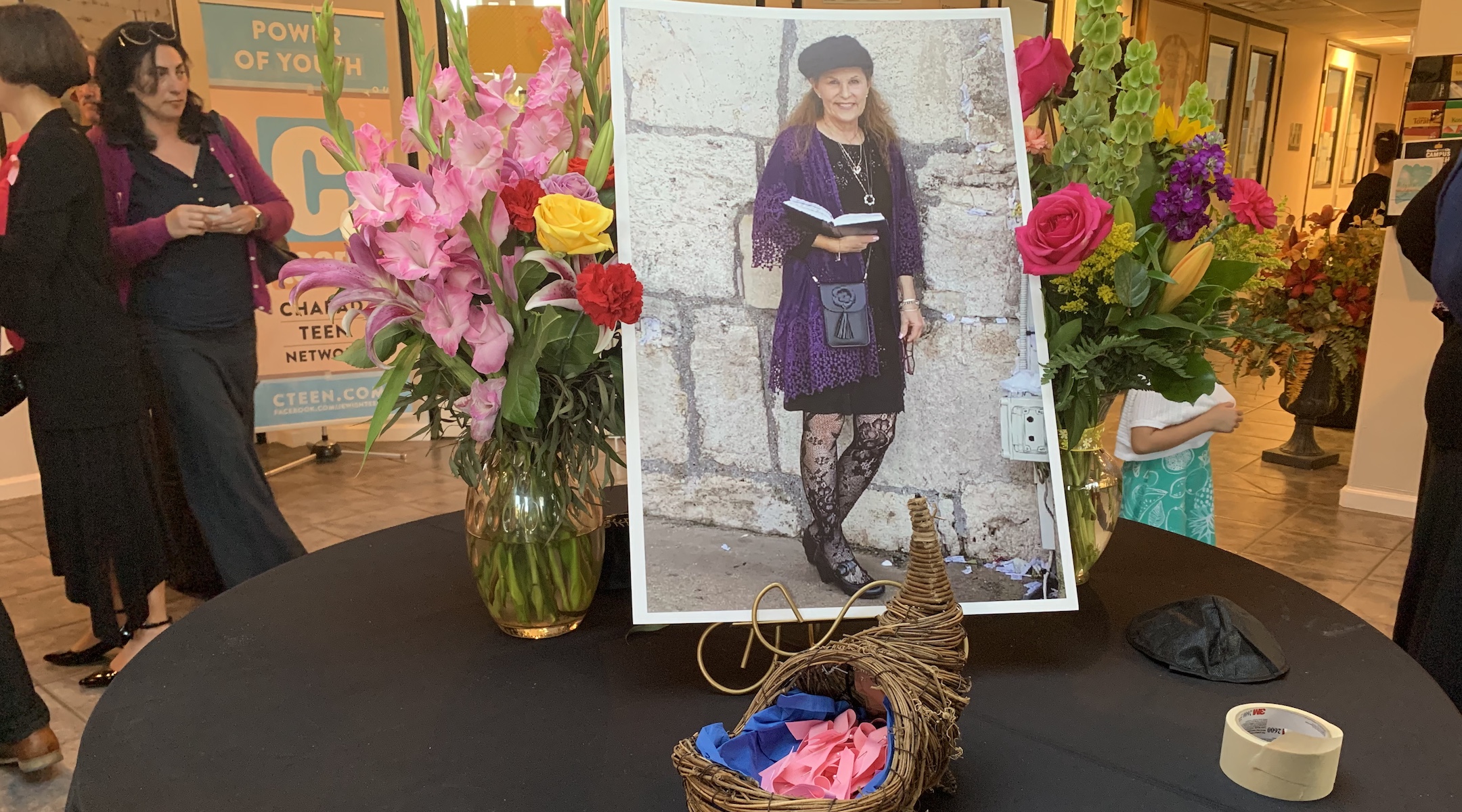
Poway, Calif: On April 27, 2019, the last day of Passover, John Timothy Earnest, then 19, was suspected of opening fire at the Chabad of Poway in San Diego County, killing Lori Gilbert-Kaye and wounding three others.
This March, the San Diego County District Attorney’s Office announced it would seek the death penalty against Earnest, who’s currently in the San Diego Central Jail and not eligible for release or bail. His trial is set for June 2.
On April 26, Chabad held a virtual program to commemorate the one-year anniversary of Gilbert-Kaye’s death. Meanwhile, Rabbi Mendel Goldstein stood in the synagogue alone this year, held a Torah dedicated to Gilbert-Kaye and recited Yizkor. In December, a Poway street was renamed Lori Lynn Lane.
In an interview with the San Diego Union-Tribune, her friend Roneet Lev said if Gilbert-Kaye had been alive during the COVID-19 pandemic, “She would have rushed around to check on people, make sure they were still OK, her mask on and probably a little askew. She would have found a way to help.”
Jersey City, N.J.: On Dec. 7, authorities say David Anderson, 47, and his accomplice, Francine Graham, 50, who identified with the Black Israelites, killed Michael Rumberger, 34, in Bayonne, N.J. On Dec. 10, authorities say they shot and killed Detective Joseph Seals, 39, in Jersey City before entering the JC Kosher Supermarket and killing co-owner Mindy Ferencz, 33, store clerk Douglas Miguel Rodriguez, 49, and customer Moshe Deutsch, 24. Anderson and Graham were killed in a shootout with police, and authorities say they found a live pipe bomb 500 feet away in their van.
Although the New Jersey attorney general described the attacks as anti-Semitic, the Southern Poverty Law Center still has not called the suspects a hate group, but a “black supremacist group,” and the term “Black Hebrew Israelites” seems to have faded from the memory of the American public (and American Jews).
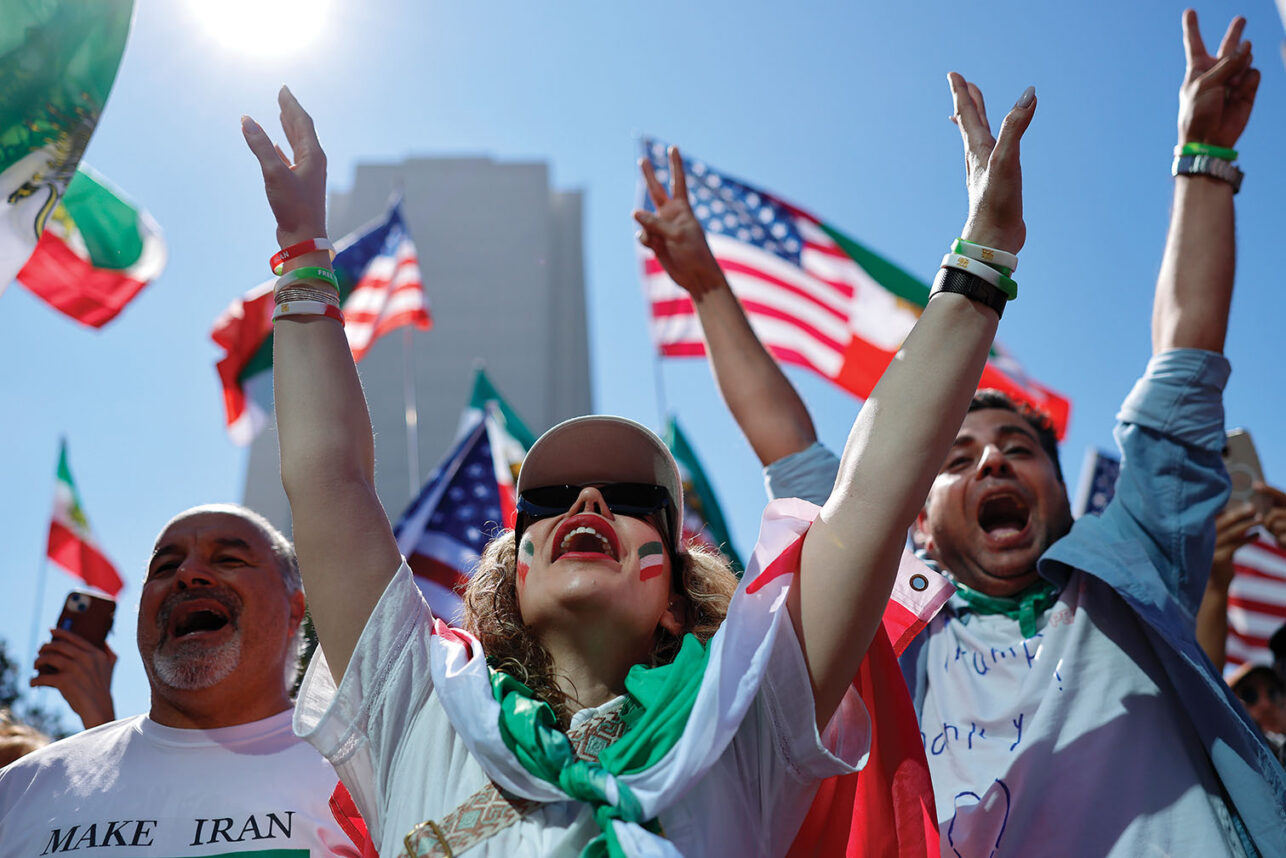
Nessah Synagogue, Beverly Hills.: On Dec. 14, the Iranian American Jewish community was traumatized when 24-year-old Anton Redding was suspected of breaking into and vandalizing Nessah Synagogue. Using surveillance videos and forensic evidence, law enforcement identified Redding in Hawaii and took him into custody on Dec. 18. In Los Angeles County Superior Court, he pleaded not guilty to vandalism of religious property and second degree burglary, as well as a penalty enhancement for a hate crime.
The COVID-19 pandemic seemingly has stopped us from asking: What ever happened to Anton Redding?
The Los Angeles Sheriff’s Department told me Redding was released from custody on April 7, while the District Attorney’s office confirmed Redding has a preliminary hearing on July 7 at the Airport Courthouse.
I believe an attack against one community is an attack against us all. Anyone who wants to remain updated about Redding’s case can visit lasd.org, click on “Resources,” select “Find an Inmate” and enter the suspect’s full name (Anton Nathaniel Redding) and date of birth (12/28/1994).
Monsey, N.Y.: 2019 ended with an attack on Dec. 28, the seventh night of Hanukkah, in when Grafton Thomas, then 37, allegedly entered a rabbi’s home armed with a machete and injured five people, including then-71-year-old Josef Neumann, a father of seven.
In February, after 59 days in a coma, Neumann opened his eyes. But on March 29, he succumbed to his injuries. His death barely made the news.
On April 20, a Rockland County judge deemed Thomas mentally unfit to stand trial on charges of attempted murder and a hate crime.
Let us not forget these stories. May the memories of the victims be a blessing.
Tabby Refael is a Los Angeles-based writer, speaker and activist.