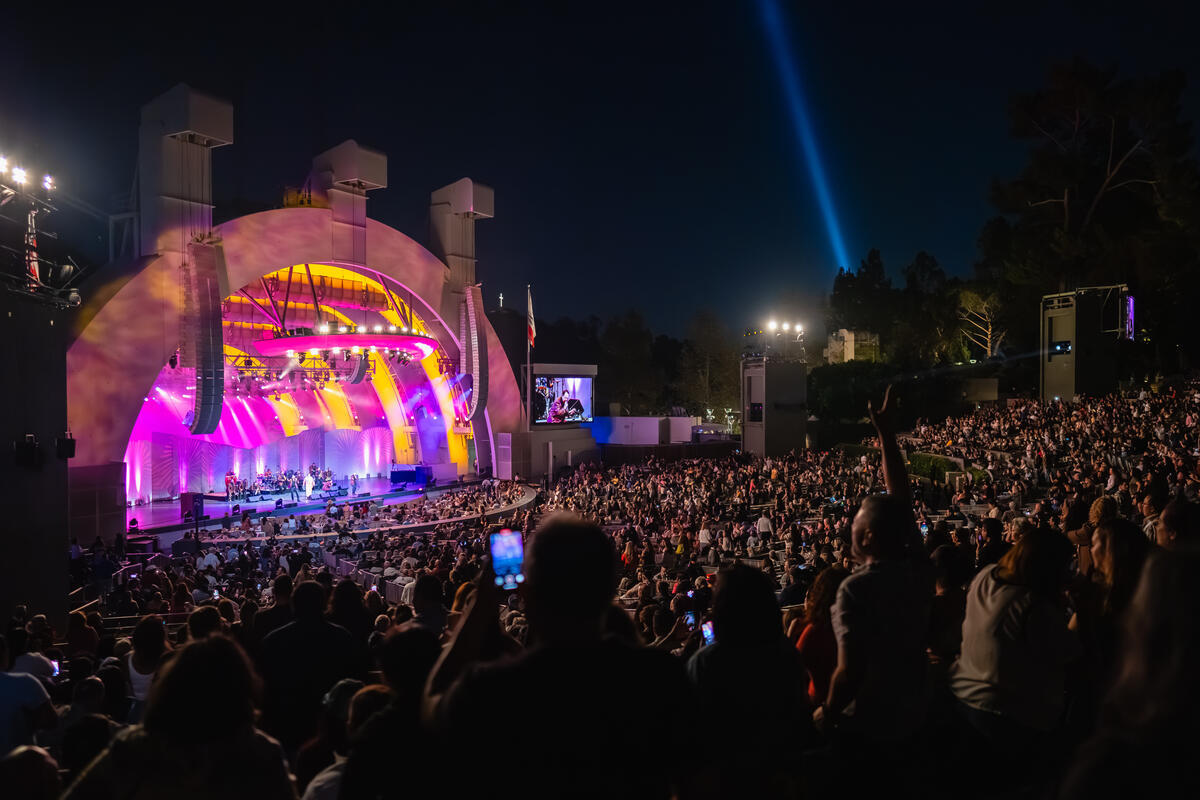

I recently joined the new Moise Safra Center on the Upper East Side of Manhattan. Having spent most of my life in Ashkenazi synagogues and JCCs, the experience has been resoundingly positive, and not just because every Sephardic member is gorgeous. Spending time there has made me feel Jewish in ways I’m still processing; my son, Alexander, often grabs a kippah before shooting hoops with the young Sephardim.
There is a warmth, a shared intimacy, that invites community, with one another, with our heritage. Perhaps more than anything: there is an unabashed pride in being Jewish. Does Sephardic culture better nurture that pride — or does it stem from not being mistaken for being “white”?
With these questions in mind, I was eager to hear Canadian Israeli author Matti Friedman discuss his award-winning book “Spies of No Country: Secret Lives at the Birth of Israel” at the 92nd Street Y. The book, which just came out in paperback, recounts the stories of four young Mizrahi Jews who risked their lives to become spies for pre-1948 Israel.
Friedman said he wrote the book to show that Ashkenazim who came from Europe are only part of the story of Israel. “The story of Israel is not just about Golda, Warsaw, and the Holocaust; the story is also about Aleppo, Casablanca, and Kurdistan. Israel is a Middle Eastern country,” he said, “a Jewish Middle Eastern country.”
At least half of Israelis are Mizrahi. Israeli food is couscous and humus, not bagels and lox. Friedman recently wrote about “Israel’s Rihanna”— Nasrin Kadry, an Israeli Arab who converted to Judaism — for The New York Times. Israeli music, Friedman said, is now Mizrahi pop.
Friedman believes the growing gap between Israel and the mostly Ashkenazi Diaspora stems from a lack of acceptance that Israel is Middle Eastern — including election results: “Mizrahim have encountered disdain from the left and have been embraced by the right,” he said.
“The truth is, Israelis are not interlopers from Europe.” — Matti Friedman
Friedman hopes that the book can help bridge the divide. But perhaps more important: “Much of the Arab world, and now activists on college campuses, try to argue that Israel is a colonial implant. The truth is, Israelis are not interlopers from Europe.”
About 15 years ago, indigenous rights activist Ryan Bellerose said that Jews need to decolonize Jewish identity. “Jews need to see Jewish identity through a Jewish lens rather than a European one,” Bellerose told me. “It’s a struggle for all colonized indigenous people to see ourselves through an authentic lens of our own people.”
In 2017, Bellerose wrote in Tablet magazine, “Strengthening Jewish identity is the optimum way to fight against the perpetuation of false narratives and lies. This can be achieved only through an indigenous decolonization of Jewish identity.”
Having been told my entire life that I’m white and that my grandparents came from Russia, I fully agree. Why wasn’t I ever told that I come from Judea? Mizrahim are taught, at the very least, that they hail from the Middle East. Sure, the difference stems in part from the fact that most Mizrahim are one to two generations removed from the Levant, whereas Ashkenazim are eight to 10 generations removed. But I don’t think that’s the entire reason.
Regardless, Ashkenazim now need to unite with Sephardim and Mizrahim and definitively assert: Thousands of years of persecution and colonization can never undercut the fact that we are all Israelites, indigenous to Eretz Yisrael.
It’s a realization of who we are, where we came from, and that so much of our identity has been imposed on us. This is not just for Israeli activism. Fully embracing our true identity is empowering; it will no doubt help each of us cope not just with anti-Semitism but with all of the toxic missiles life sends our way.
We are never going to be unified on politics or religious observance. And that’s OK: Jews are an ethnicity, not a cult. But on issues of identity and indigeneity, as on issues of anti-Semitism, we must unite.
Zionism hoped to re-create the tough, Maccabean Jew and in Israel it has been largely successful. But it’s now time for Diaspora Jews to follow suit, starting with fully decolonizing our minds and souls.
Karen Lehrman Bloch is an author and cultural critic.