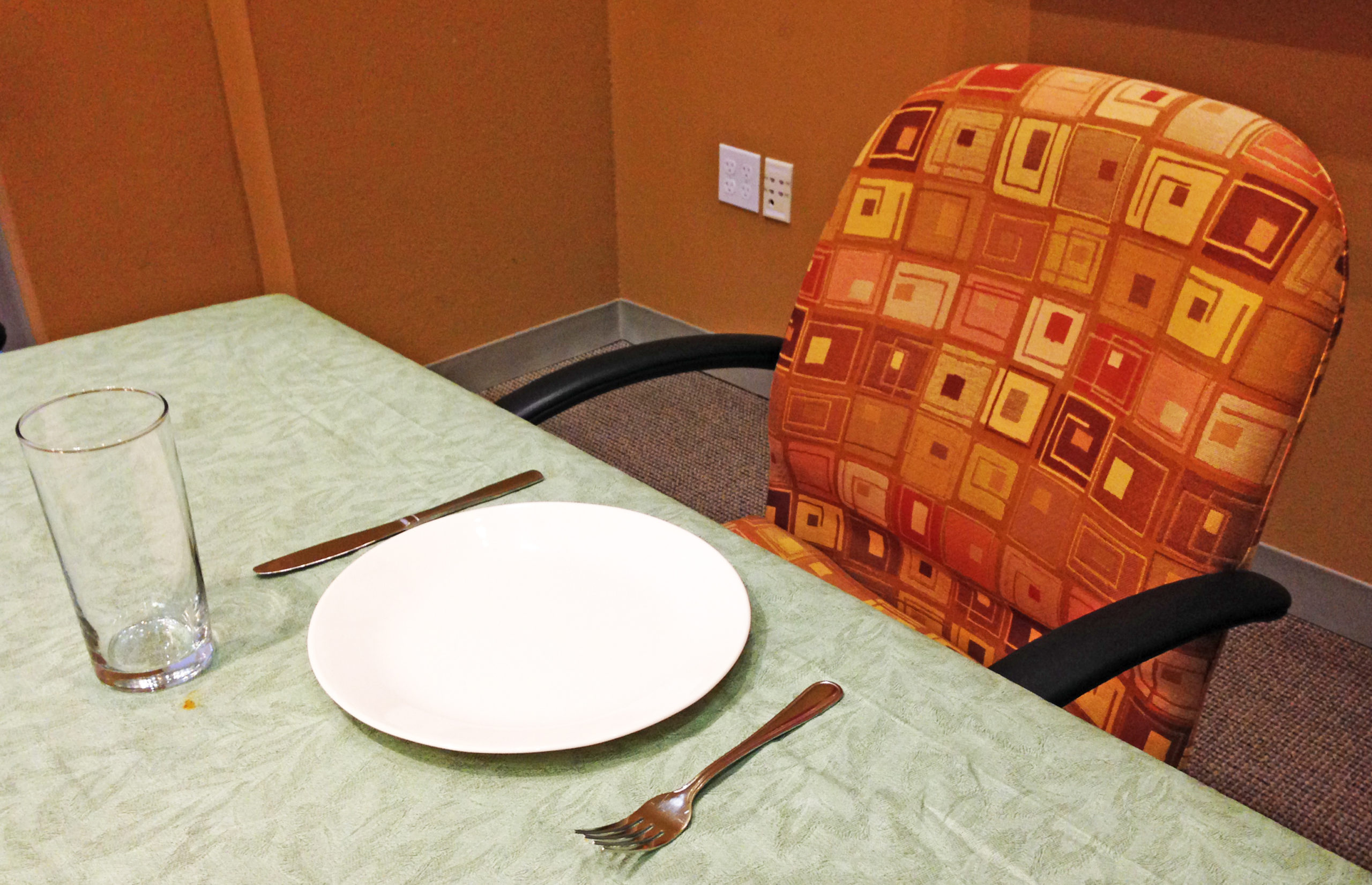
I was going to write about something else entirely this week, but I was reminded that Friday is National No One Eats Alone Day, and, frankly, we’ve had enough bad news lately, so it seems to me some positive news is in order.
National No One Eats Alone Day is a project of “Beyond Differences,” an amazing organization which, according to its website, “empowers students to end social isolation in middle school through online and campus programs.”
The organization, and the concept of No One Eats Alone Day, started in Marin County, and has been spreading throughout the country. Now, as an introvert, sometimes I like to eat lunch alone. But this day isn’t about that. It’s about actively addressing the social isolation that can happen to people at any age, but this organization specifically focuses on middle school, which is a particularly vulnerable time for many people.
The idea of No One Eats Alone Day is pretty simple. First, it breaks up cliques by encouraging students to eat lunch with someone they don’t know. Second, it asks them to seek out those who may feel isolated, and eat with them.
Of course, I’d love to see people of all ages do both these things all the time. But one day is a good way to start. And lunch is a great time to start, as well.
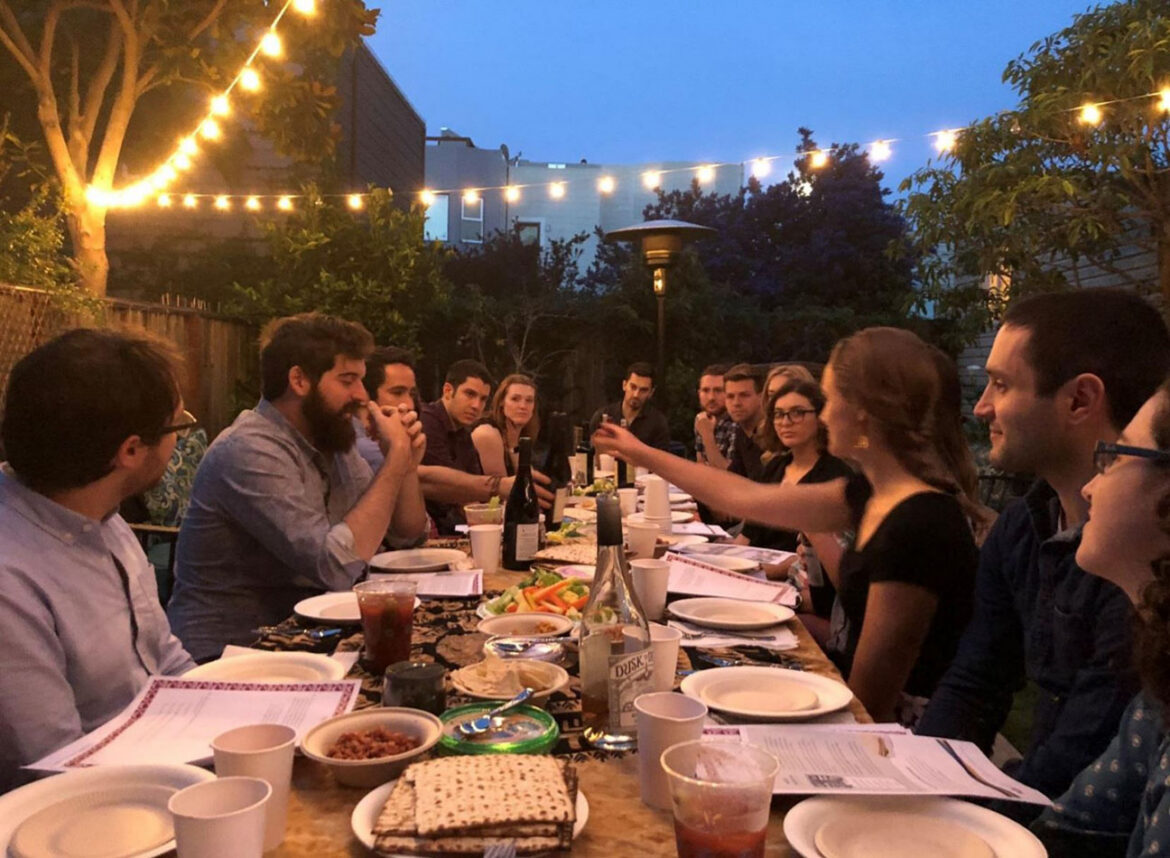
I remember when I was a kid, I used to go to summer camp. I would show up and get checked in, and then many of us weren’t really sure what to do with ourselves, and would spend the time looking around awkwardly. Then dinner time would come. Suddenly, we were all together at a long table, talking and eating. There is simple something about breaking bread together that goes a long way in breaking down those barriers.
So, I love the idea of No One Eats Alone Day. Who knows, once these students have one lunch with someone they may not otherwise have spoken with, they may decide to do it again, and new friendships might develop. Maybe they will start to see the value in caring about the isolated people among them on a more regular basis.
Beyond Differences was inspired by the experience of a child named Lili Rachel Smith, may her memory be a blessing, who was a member of the synagogue I attend, and who knew what it was like to suffer from social isolation. The organization is run by students, and, according to its website, they are the only organization that focuses on this issue.
So, whether you are in middle school or not, I hope you will take some time on Friday to look for people around you who may be socially isolated, and make an effort to bring them into your circle. And maybe, over time, you can make looking out for these folks part of your daily routine.
—————-
“Like” the Religious and Reform Facebook page to see additional photos and behind-the-scenes comments, and follow me on Twitter.