October is Disability Awareness Month, with a focus on the societal and workforce contributions of people with disabilities. It was first designated in 1945 by Congress as “National Employ the Physically Handicapped Week” and then the word “physically” was removed in 1962 to allow for the inclusion of all Americans with disabilities. In 1988, the week was extended to a month and changed its name to “National Disability Employment Awareness Month.”
As President Obama said in his recent proclamation; “Every day, Americans with disabilities enrich our communities and businesses. They are leaders, entrepreneurs, and innovators, each with unique talents to contribute and points of view to express. “
Unfortunately, too often these type of “awareness” months end up being more of an echo chamber than a microphone, as the people who are most impacted by the particular disease or condition talk to each other, usually complaining that no one outside of that inner circle is paying any attention. And the people “outside” may see a poster, read a post or even cry at a moving video, but it doesn’t result in any long-lasting change.
So I’d like to propose that this year, people who haven’t yet been impacted by disability in one way or another take a pledge to grow an “invisible disability antenna” that will be permanently tuned in to the needs of people with different disabilities:
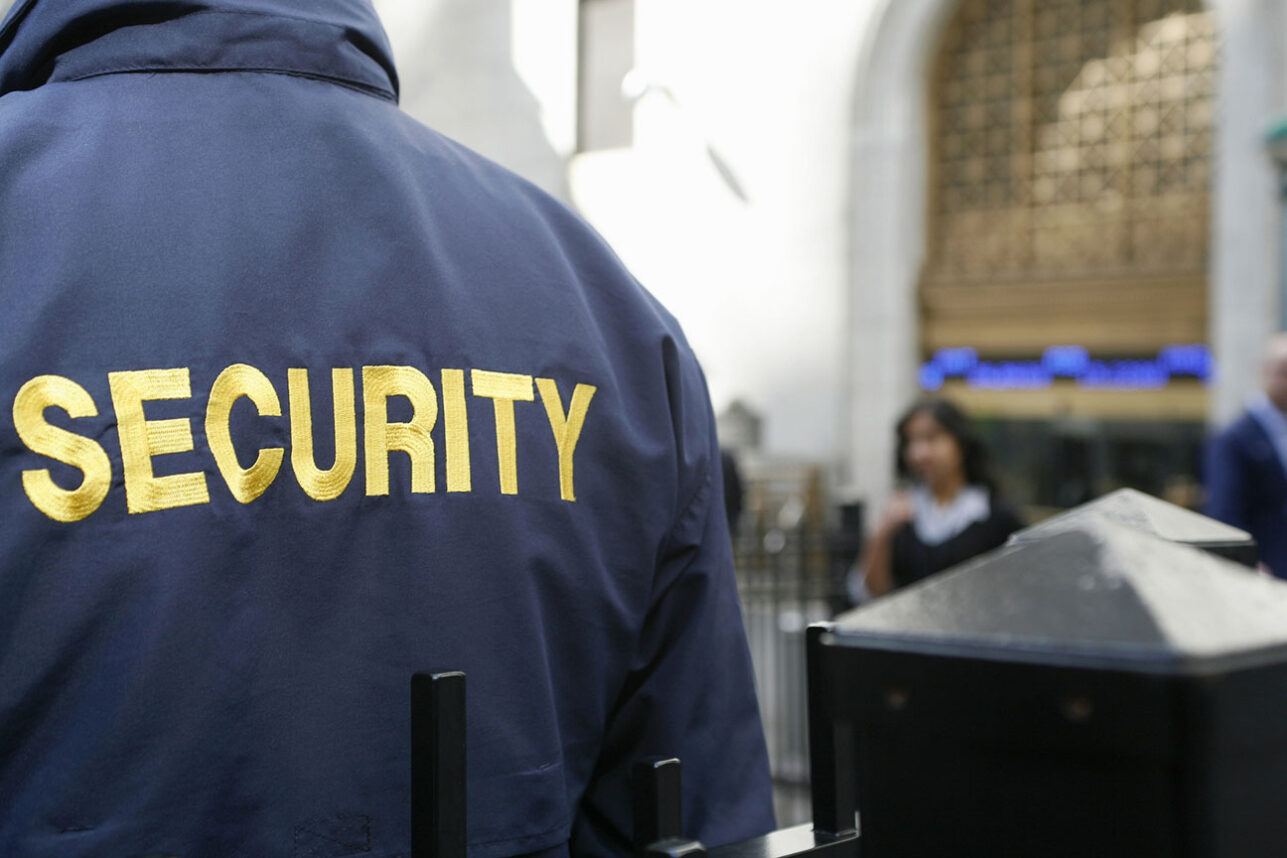
1) Alert the building manager or security guard when an elevator stops working, especially if there’s only one in a building, and ask that it be fixed right away so everyone can continue to access the building. And please, never park in a disabled space, even for a quick dash into Starbucks. Especially if it's a quick dash into Starbucks.
2) If you see a child or adult making odd noises, flapping their hands or spinning in circles, don’t assume the person is misbehaving-this could be a person with autism trying their best to regulate their sensory system. Be kind.
3) When a blind person is walking down the street with their white-tipped cane or service dog, don’t walk as far away as possible and assume the person won’t sense your presence. A warm “hello” and “on your right” would be more appreciated.
4) If a colleague, friend or family member is hearing-impaired, make sure they can see your mouth when you talk, and don’t swivel your head so far away they won’t be able to get the optimal sound level
5) When talking to someone with an intellectual or cognitive impairment, give him or her a chance to respond, even if takes a few more seconds. Slow down , use simple words, and follow their lead.
With your antenna always up and alert to the people around you who have disabilities, you may find yourself experiencing a whole new “buzz” from the incredible diversity and strengths from each and every person you meet.