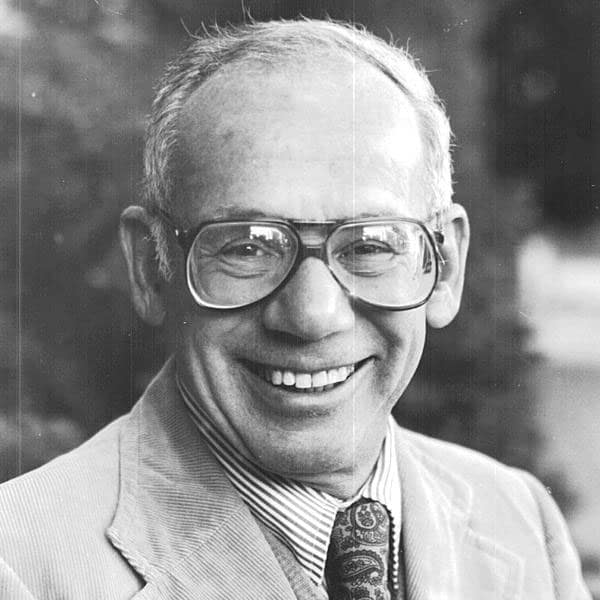
Norman Hudis is a patient man, not by temperament but by necessity. It took the ex-Londoner and current Woodland Hills resident some 30 years to see his play produced on stage, and if the venue is Santa Ana rather than Manhattan, he is as pleased as any playwright savoring his name on a Broadway marquee.
The play is titled "Dinner With Ribbentrop." That would be Joachim von Ribbentrop, Hitler’s ambassador to Great Britain and later his foreign minister, who was hanged in Nuremberg as a war criminal.
While serving in London in 1938, Ribbentrop met British actor and screen star Eric Portman and was pleased to find in him a raging anti-Semite.
In the 1950s, Hudis worked as publicist for Sir Arthur Rank’s Pinewood Studio and there met Portman. The actor boasted that during a private dinner with Ribbentrop, the Nazi diplomat promised him that after the German victory in the upcoming war, the New Order would make Portman England’s greatest star in a Jew-free British film industry.
In the months following, the Jewish publicist, a grandson of Russian immigrants, and the Jew-hating actor spent long hours together in pubs arguing heatedly.
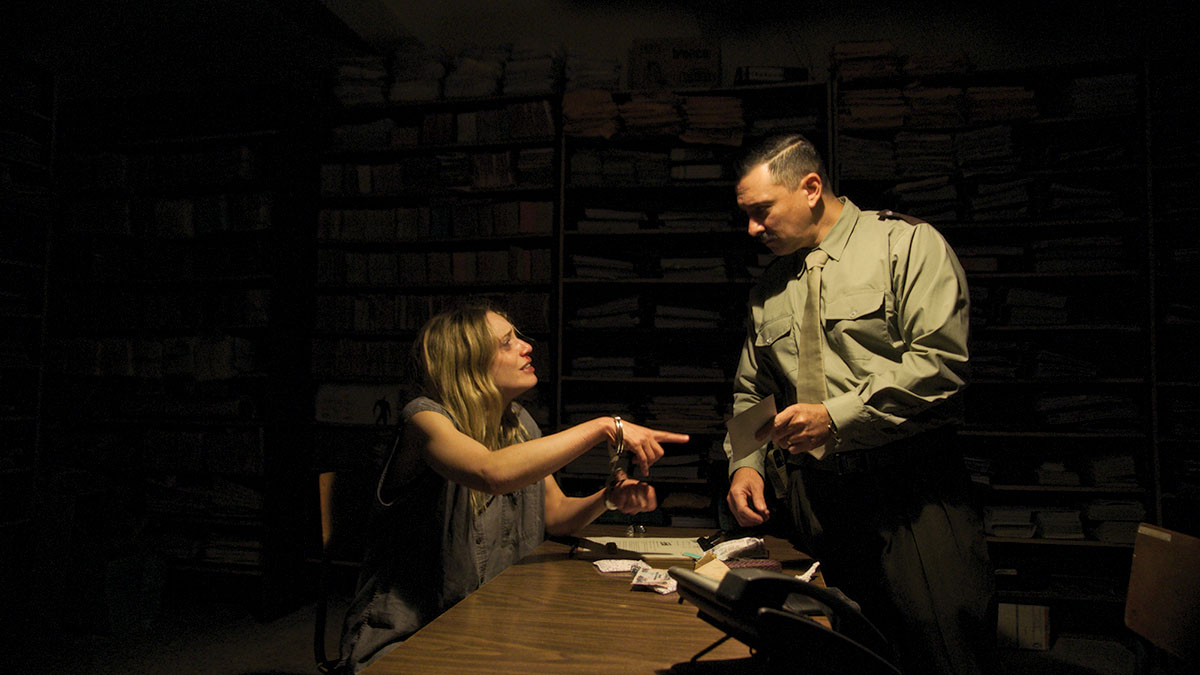
In the play, set in the 1950s, Portman is offered the role of his lifetime by a Jewish producer, and their very first meeting erupts into a furious dispute about Jews.
After Hudis finished the play, it made the rounds of London producers. They hailed it as brilliant, challenging and mordantly funny, said Hudis, but rejected it for fear that giving a platform to a handsome, witty and eloquent anti-Semite would offend the Jewish theater-going public.
Now living with his wife, Rita, the 82-year-old Hudis is writing his autobiography, titled "Running Late," and it should be a lively read.
At 16, he was a junior reporter and at 21, as a member of the Royal Air Force, he was the youngest war correspondent in the Middle East. Back in civilian life, he became a "picture plugger" for a studio publicity department, and then a screenwriter.
He wrote the scripts of some 20 "B" pictures and then hit it big with the wildly popular "Carry On, Nurse," a very risqué comedy for its time,
In the 1960s the family settled in Hollywood, where Hudis became an award-winning TV writer. His writing stints have ranged from mysteries, rock ‘n’ roll shows and crime thrillers to bible spectacles and classic comedy.
"Dinner With Ribbentrop" runs through May 23 at the Rude Guerrilla Theater, 200 N. Broadway, Santa Ana. For information, call (714) 547-4688.