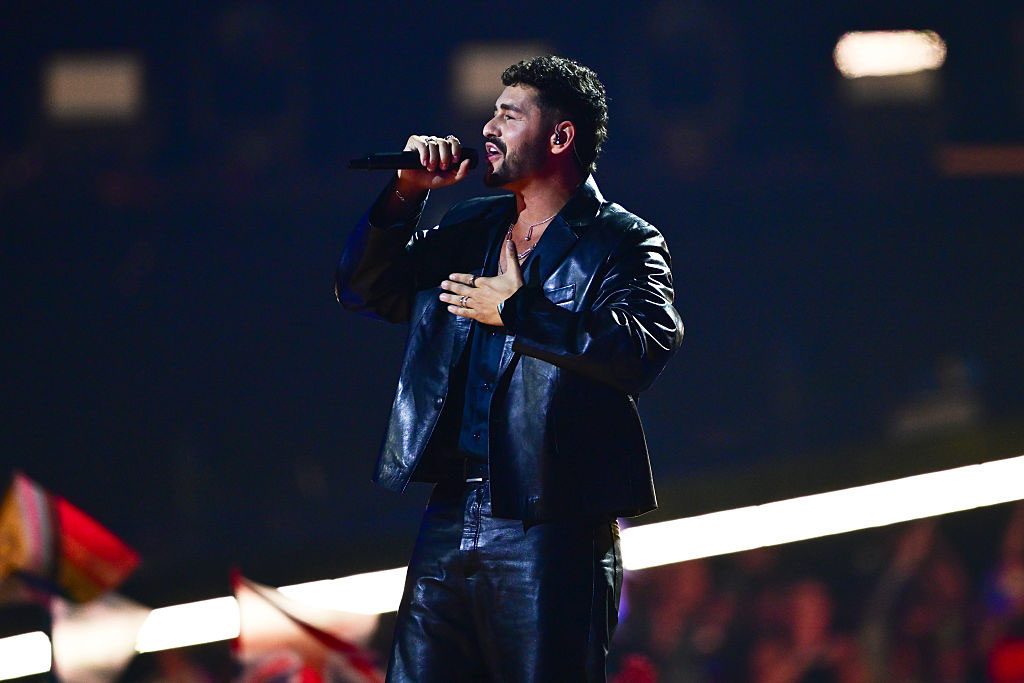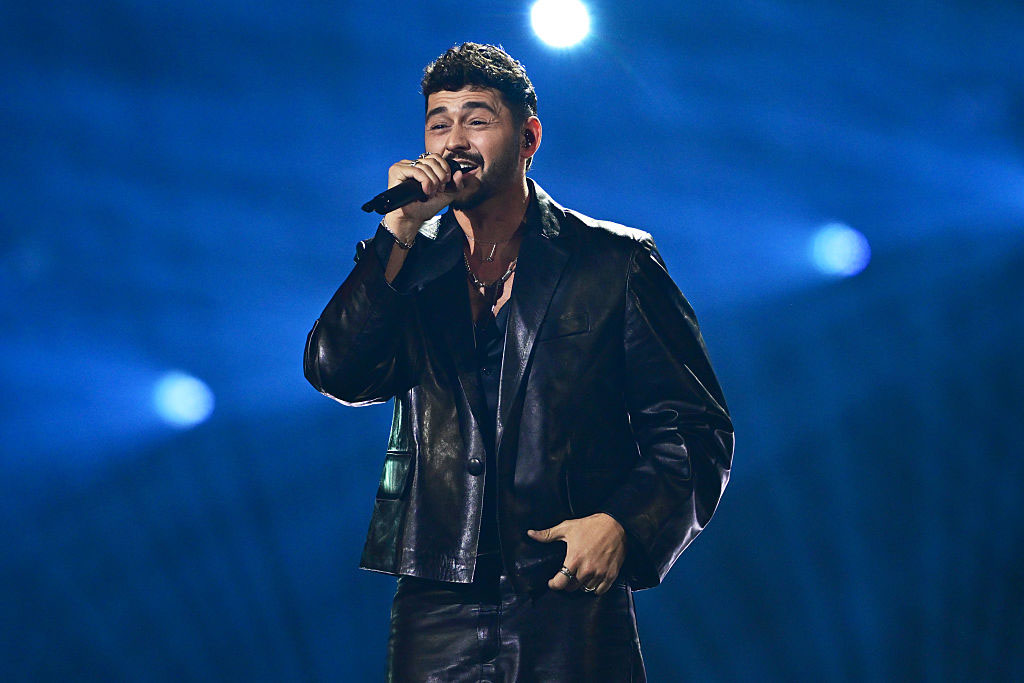
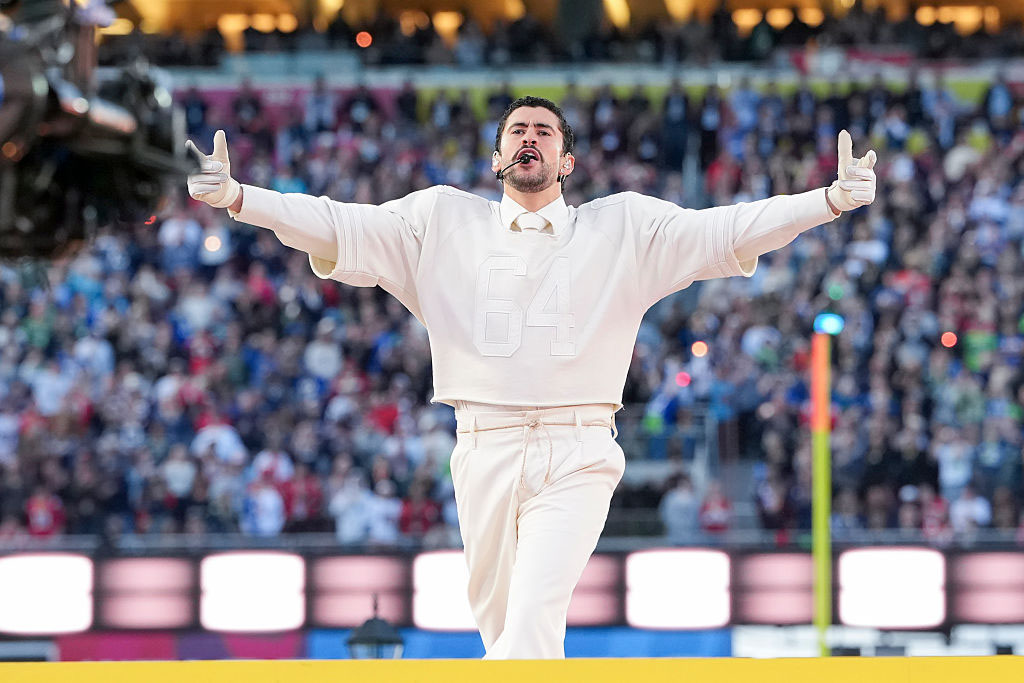
There are two ways of looking at Puerto Rican superstar Bad Bunny’s performance during the Super Bowl halftime show, which he sang almost entirely in Spanish.
One is politically, as Commentary’s Abe Greenwald writes: “It was a mini musical about labor exploitation, American colonialism, social inequity, Latin American pride, and Puerto Rican independence… It was, in short, about trolling MAGA and owning the right.”
I confess that until I read Greenwald’s piece, I had seen the performance in a more innocent way.
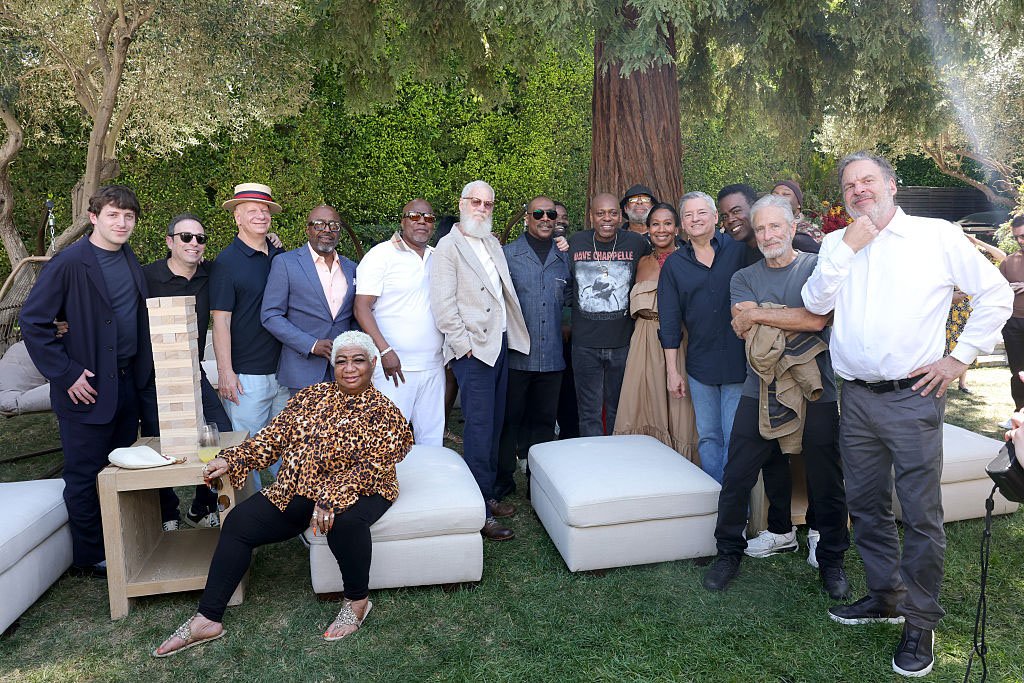
I was at this private backyard Super Bowl party in Beverly Hills, and when the halftime show came on, the crowd just lit up. It felt weird not to get up and dance.
I didn’t understand any of Bad Bunny’s words; I just saw on a large screen this explosion of Latin joy and around me lots of white people dancing.
Call me superficial, but I was taken by the moment. Perhaps the best way to describe it is that people simply surrendered to the music and the show, not understanding any of the political messaging.
I guess music can do that to you.
It happens to me quite often, as when I surrender to a Pink Floyd song like “Wish You Were Here,” knowing that one of the singers (Roger Waters) hates the country I love (Israel).
I surrender to Chassidic niggunim that have zero connection to my Sephardic upbringing, just as I surrender to the pulsating beats of the Arabian music we play at our family weddings.
I don’t surrender to the news or to politics, because I process that through my brain, which keeps me in control. Music, however, seems to bypass my brain, which makes me more likely to lose control.
But here’s the thing: it didn’t bother me yesterday to let go and just wallow in the joy of the moment. I have a fondness for anything ethnic, so the symbols of Puerto Rico throughout the show– sugar cane fields, rural farmers in straw hats, older men playing dominos, a shaved ice stand, an impromptu wedding—just added to the festive vibe.
The only words I picked up were near the end, when Bad Bunny (whose real name is Benito Antonio Martínez Ocasio) said “God bless America” and held a football that said, “Together We Are America.”
Of course, I was aware that the turmoil around ICE raids created a very charged atmosphere around a Latin superstar’s appearance, so it didn’t surprise me that the show wove in political grievances.
But even then, perhaps because I didn’t know any of the songs or lyrics, I didn’t feel the sting of activism. As an incorrigible music lover, I just fell for the music, and it was intoxicating.
Speaking of activism, I couldn’t help comparing Bad Bunny’s way of expressing his views to those angry, often-violent street demonstrators who seem to specialize in creating chaos. One reminded me of the beauty of Latin culture; the other reminded me of…well, just ugliness.
I’m sure Bad Bunny was deadly serious about the issues he cares about. He just conveyed his beefs in a way that would go down easy– through his music. He wasn’t angry or weak. He was confident and happy. When I think of that nebbish Jewish boy in that blue square commercial that ran on the Super Bowl, part of me wishes that Jews could show some of that assertiveness and confidence in our own fight against antisemitism.
A day later, I realize also that there’s a whole other political message that I missed yesterday, one that has nothing to do with Puerto Rico.
It is the fact that on America’s biggest media stage, a fully Latin show blew many of us away. When Bad Bunny said, “God bless America,” he had that right.