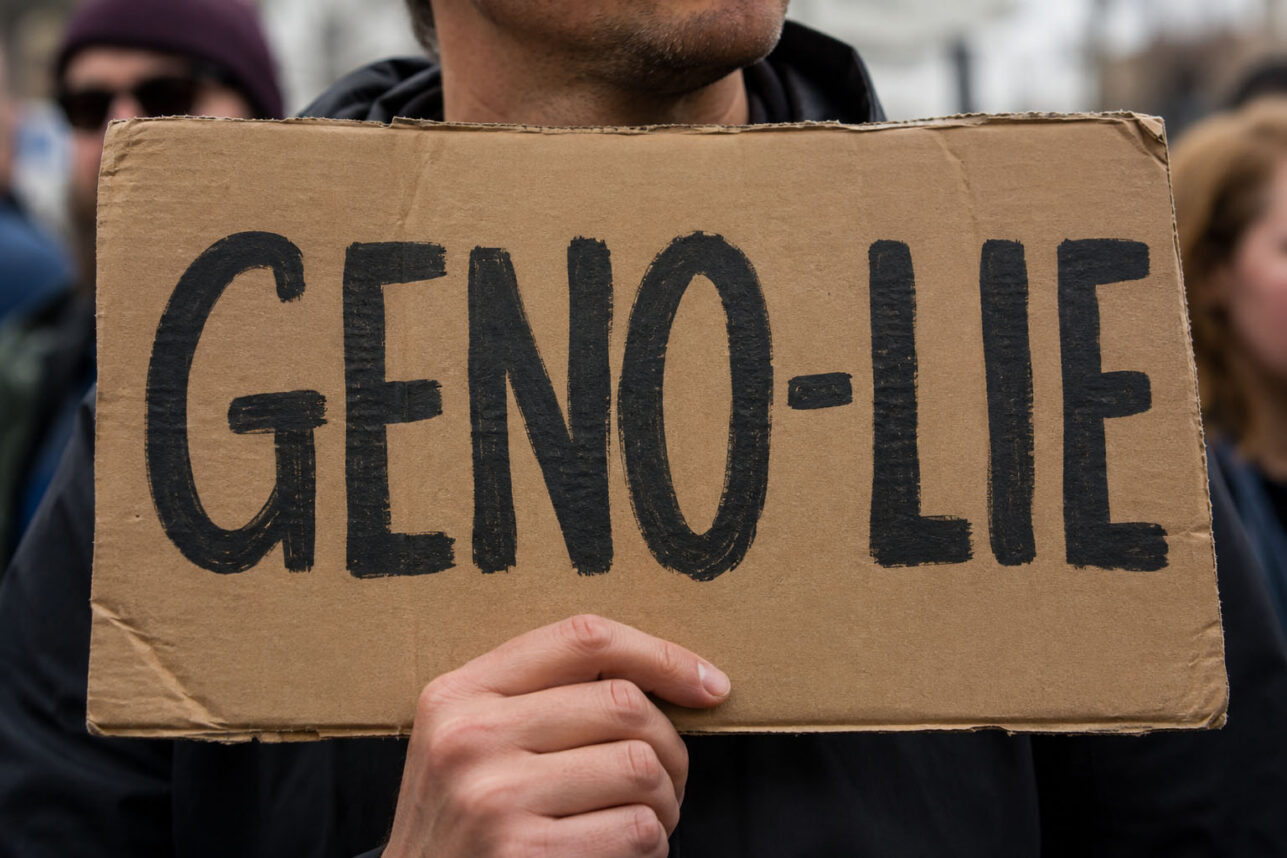

If you’re going to spend $15 million for a Super Bowl ad to defend Jews against antisemitism, you ought to think extra hard about how you depict those Jews.
That nebbish Jewish boy in the much-discussed commercial looks weak, down and confused— not exactly a winning image.
Still, the creators of the ad felt they were making an important point—since they informed viewers that “2 out of 3 Jewish teens have experienced antisemitism,” it follows that these Jews need allies. Showing a tall Black kid helping a Jewish kid accused of being a “dirty Jew” was a bullseye for that strategy. It tells the non-Jewish world to do their share and “stand up to Jew-hate.”
But like so many Jewish efforts today that aim to fight antisemitism, it overlooks the unintended consequence that it makes Jews look weak.
Yes, but who’s got time to worry about image when the barbarians are at the gate?
I do.
Because the weaker we look, the more vulnerable we are, the more the haters smell blood, the more we corrode Jewish pride, the more we are disrespected.
Want me to continue?
Everyone knows it’s bad to look weak. But name one Jewish organization that cares about how Jews look, that cares about the public face of Jews. I don’t know of any. In fact, I’m pretty sure I’ve never seen “strengthening the public face of Jews” in any mission statement.
And I think I know why.
It feels nebulous. It’s not concrete.
The commercial with the kid is concrete. You show a non-Jew helping a Jew. For the creators, there’s no need to worry about something abstract like “how the kid comes across” because it’s enough to communicate something direct and on message.
Similarly, Jewish organizations rarely ask: How will this initiative influence the way Jews look? Will it make us look weak or strong? Cool or nebbish? Scared or confident?
There are countless efforts that make Jews look weak that organizations don’t question. Like, for example, informing the world that “antisemitism is now at an all-time high!” or that “Jews are under assault more than ever.”
We don’t question this stuff because it’s true, it’s concrete, it feels real, it feels urgent. We feel we must expose the hate, condemn it, raise hell — even if it makes Jews look weak, and even if the problem keeps getting worse no matter how much hell we raise.
Fear sells.
“How Jews look” doesn’t.
Here’s a thought: maybe it’s time we transfer some of our fear to “how Jews look,” because the price of looking weak is a lot higher than we think.
In recent years, especially since Oct. 7, we have allowed the rise of Jew-hatred to trap us into looking weak. We think we look strong when we’re out there “fighting” and making all this noise against the haters, when we ring the alarm after each incident, when all we seem to talk about is protection and security.
That’s not strength; it’s weakness. It makes us look fragile. It’s an admission that the haters are running the show.
You want a delightful example of strength?
It’s Jerry Seinfeld telling a Palestinian heckler: “I think you need to go back and tell whoever is running your organization: you just gave money to a Jew.”
The key point is this: Even if we really are victims, it doesn’t help us to come across as victims. The minute we do that, we look like losers, we make things worse, and the haters win.
This is not the kind of strategizing that gets kicked around in Jewish boardrooms. It’s too uncomfortable. Imagine a new initiative from a major organization titled, “How Jews can regain their mojo.” It’s like a foreign language.
But it’s a language we must learn if we’re serious about nurturing Jewish pride.
Like I wrote in my piece about the Bret Stephens speech, I’m all for the targeted fight against antisemitism that “enforces laws, rules, policies and regulations that protect the rights of Jews… from sophisticated monitoring and reporting of online Jew-hatred to lawsuits against discrimination to correcting lies and libels against Israel” and that basically says: “You mess with Jews and cross red lines, you’ll pay a price.”
Of course we must boost our security, but that’s different than turning it into a public megilla that advertises nothing but fear and weakness. How we choose what to show is as important as how we choose what to do.
In short, I’m all for fighting with mojo.
Which means, among other things: Let’s stop complaining. Let’s stop telling America how much we’re hated. Let’s stop showing Jews who look weak rather than proud. And let’s strengthen our Jewish identity and fight antisemitism like winners who love America.
Whether in commercials or in real life, there is a huge difference between looking strong and proud and looking weak, needy and confused.
And that’s very concrete.