fbpx
[additional-authors]
February 26, 2020

Not naches, Yiddish for the pride you have
when your kid ties his shoes for the first time
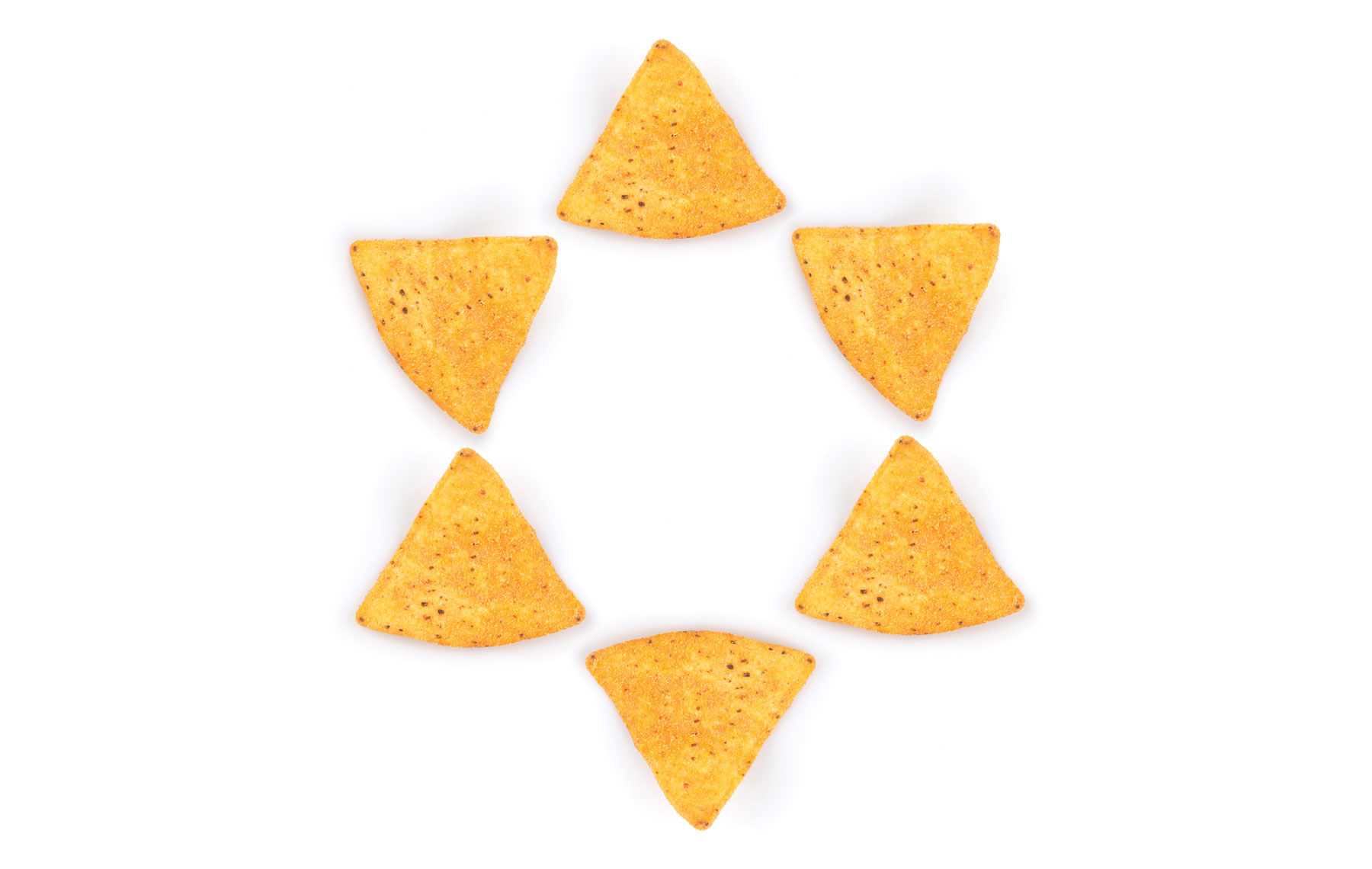
or stays sober for a year — but nachos,
gloriously unhealthy party on a plate, sweetness
of corn, yellow lake of cheddar, studded with
a thousand black beans giving their lives so that
we might live — and because it is Shabbat,
holiest day of the week, when God rested
after creating the world so we rest after
trying not to check social media more than
one hour a day and maybe also getting some
work done between status updates —
because it is Shabbat, we add kale sauteed
with garlic, buried like vitamin treasure
among the crunchy-soft sheath, the layers
of comfort, over which we dab plain
whole milk yogurt, a gesture towards
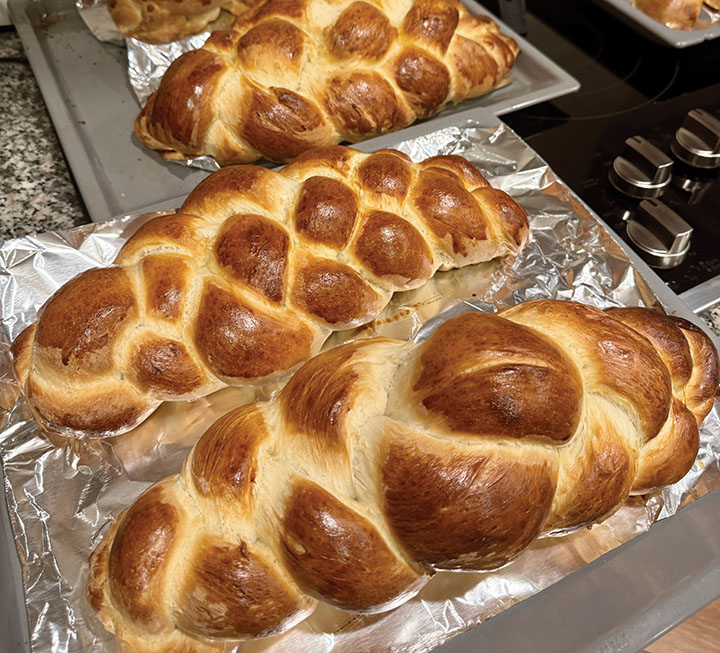
the fatty tang of virtue. The challah looks
nervous today, as if, facing this bejeweled
newcomer, we might forget the grand dame
with her braided tresses, her restrained
sesame seeds. The red wine wishes
it could be a Corona with lime. And you,
my love, across the table, your fingers
glistening with oil — did I mention it is
Valentine’s Day so this is not just a
Shabbat poem but a love poem — on
this day named for a saint of a religion
not ours, thirteen years after we met,
I see how the cycles are beginning to add up,
we’ve spent more weeks loving each other
than I can count, the Shabbat candles flickering in each others’ eyes, then in
the eyes of first one baby, then two, and now
they’re old enough to say “We don’t want
chicken for Shabbat, we want nachos” and why
not, why not eat what we love while we’re
here, why not celebrate all the holy days
we can, ours and everyone else’s, all
at once, because there’s no way our time
here on earth together can possibly
be enough to hold all this love.


Alicia Jo Rabins is a writer, musician and Torah teacher who lives in Portland, Ore.

Did you enjoy this article?
You'll love our roundtable.

Editor's Picks

Latest Articles

Post-Passover Pasta and Pizza

What carbs do you miss the most during Passover? Do you go for the sweet stuff, like cookies and cakes, or heartier items like breads and pasta?

Freedom, This Year

There is something deeply cyclical about Judaism and our holidays. We return to the same story—the same words, the same questions—but we are not the same people telling it. And that changes everything.

A Diary Amidst Division and the Fight for Freedom

Emma’s diary represents testimony of an America, and an American Jewish community, torn asunder during America’s strenuous effort to manifest its founding ideal of the equality of all people who were created in the image of God.

More than Names

On Yom HaShoah, we speak of six million who were murdered. But I also remember the nine million who lived. Nine million Jews who got up every morning, took their children to school, and strove every day to survive, because they believed in life.

Gratitude

Gratitude is greatly emphasized in much of Jewish observance, from blessings before and after meals, the celebration of holidays such as Passover, a festival that celebrates liberation from slavery, and in the psalms.

Freedom’s Unfinished Journey

The seder table itself is a model of radical welcome: we are told explicitly to invite the stranger, to make room for those who ask questions and for those who do not yet know how to ask.

Thoughts on Security

For students at Jewish schools, armed guards, security gates, and ID checks are now woven into the rhythm of daily life.

Can Playgrounds Defeat Antisemitism?

The playground in Jerusalem didn’t stop antisemitism, and renovating playgrounds in New York City is not likely to stop it there, either — because antisemitism in America today is not rooted in a lack of slides or swings.

More news and opinions than at a Shabbat dinner, right in your inbox.