fbpx

Eritrean migrant mistaken for Beersheba terrorist killed by gunfire, not beating

The Eritrean migrant mistaken for an assailant during a terrorist attack at the Beersheba bus station died from gunshot wounds, not from the beatings he sustained by Israelis.
[additional-authors]
October 21, 2015

The Eritrean migrant mistaken for an assailant during a terrorist attack at the Beersheba bus station died from gunshot wounds, not from the beatings he sustained by Israelis.

The results of the autopsy on Haftom Zarhum, 29, who died at Beersheba’s Soroka hospital several hours after the Sunday night attack, were released on Wednesday. The autopsy found that Zarhum had eight gunshot wounds, two of which were fatal, Haaretz reported, citing the report issued by Israel’s Abu Kabir Institute of Forensic Medicine.

Hundreds of Eritrean asylum seekers and friends of Zarhum gathered at a park in Tel Aviv on Wednesday night to mourn his death.

Police are working to identify the people who beat Zarhum following the bus station attack and could bring them in for questioning. They could be charged with assault in the incident, but not with murder, based on the autopsy results.

The killing was roundly condemned by Israeli leaders.

A statement posted on the Israel Police website said the attack on the downed man was a “very grave” incident and that it would “not allow citizens to take the law into their own hands.” The police statement also called on citizens to “act with restraint and extra caution and to allow the police to perform their job.”

The Defense Ministry told Israeli media that Zarhum would not be recognized as a terrorist victim in Israel since he entered the country illegally.


Did you enjoy this article?
You'll love our roundtable.

Editor's Picks

Latest Articles

Antisemitism, Deicide, and Revolution

The United States Conference of Catholic Bishops did a remarkable thing: It issued a memorandum to all American Catholic bishops urging them to prepare their teachings carefully during this Easter period and ensure that they accurately present the Church’s positive teachings about Jews.

Chametz Is More than Crumbs in the Corners of our Homes

Chametz is also something that gathers in the corners of our being, the spiritual chametz that, like the physical particles we gather the night before Passover, can infect, wither, influence and sabotage us as we engage with others.

Alpine Flavors—a Crunchy Granola Recipe

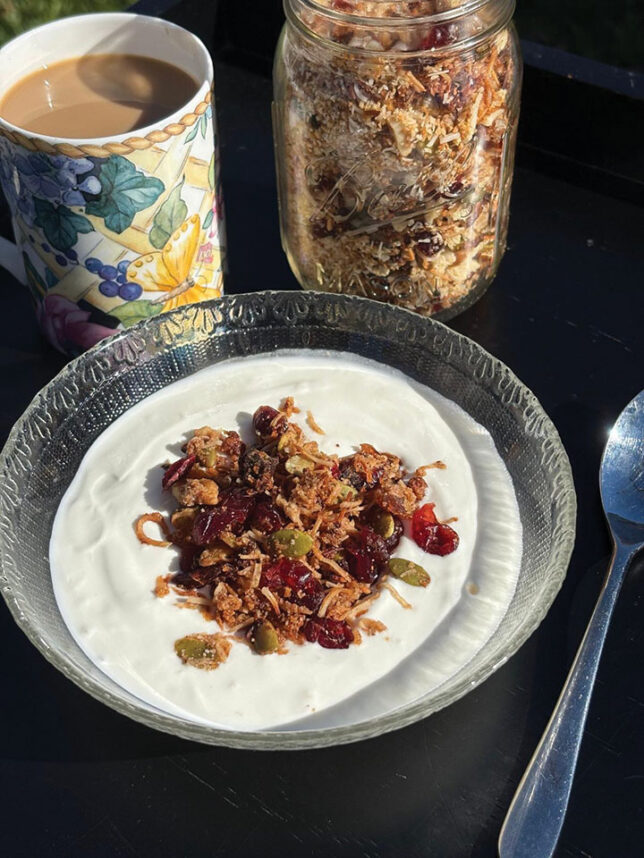
Every Passover, I prepare a truly delicious gluten-free granola. I use lots of nuts and seeds (pistachios, walnuts, almonds and pumpkin seeds) and dried fruits (apricots, dates and cranberries).

Pesach Reflections

How does the Exodus story, Judaism’s foundational narrative of freedom, speak to the present? We asked local leaders, including rabbis, educators and podcasters, to weigh in.

Rosner’s Domain | Be Skeptical of Skeptics, Too

Whoever risks a decisive or semi-decisive prediction of the campaign’s end (and there is a long list of such figures on the Israeli side as well as the American side) is not demonstrating wisdom but rather a lack of seriousness.

When We Can No Longer Agree on Who Is Pharaoh

The Seder asks us to remain present to the tension between competing fears and obligations. It does not require choosing one lesson over the other, but rather, it creates space for us to articulate our concerns and listen to the fears and hopes that shape others’ views.

Pesach at War. Leaving Fast, Leaving Slow.

Freedom, it would seem, is erratic; it happens in fits and starts, three steps forward and two steps back. Freedom is a leap into the unknown, driven by a dream. We will figure it out in time.

More news and opinions than at a Shabbat dinner, right in your inbox.