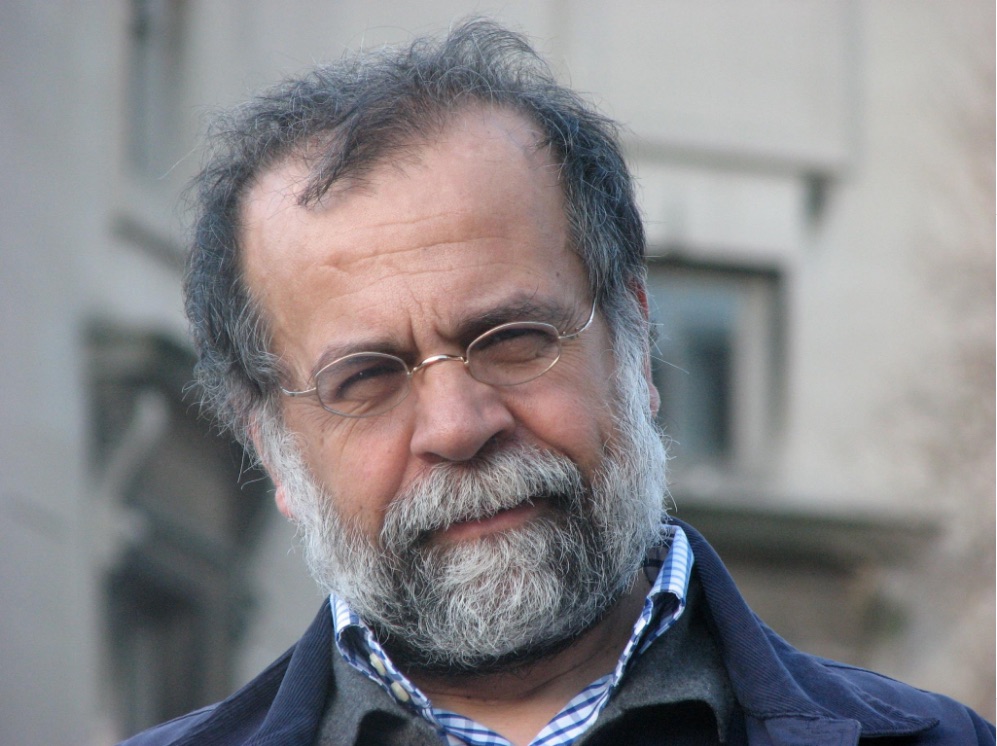
Columbia University is facing pressure to discipline Iranian Studies and Comparative Literature professor Hamid Dabashi after he referred to Zionists, among other things, as “hyenas.”
On May 8, Dabashi posted on Facebook, “Every dirty treacherous ugly and pernicious happening in the world just wait for a few days and the ugly name ‘Israel’ will pop up in the atrocities.”
Also on Facebook, Dabashi referred to Iran-deal critics as “Fifth Column Zionists working against the best interest of Americans and for the best interests of Israelis,” And, “These laughing hyenas — the Zionists the Saudis and the US neocons that are f***** with the wrong country [Iran].”
According to the pro-Israel watchdog Canary Mission, Dabashi has a history of anti-Semitic attacks, including calling Israel Justice Minister Ayelet Shaked “Neo-Nazi scum” in 2015, claiming Israel has engaged in “ethnic cleansing” and comparing Israel to ISIS. As the Journal has previously reported, Dabashi has also referred to Zionists as “master thieves.”
After Dabashi’s latest Facebook posts, the Anti-Defamation League’s New York regional director, Evan Bernstein, wrote in an email to the Journal: “Columbia Professor Hamid Dabashi’s statements accusing Israel of being behind ‘Every dirty treacherous ugly and pernicious act happening in the world’ are clearly anti-Semitic and deeply problematic. Statements like these don’t belong in academia, or anywhere, and there is no justification for this kind of hurtful rhetoric, particularly from someone who is entrusted with shaping young minds at such a respected institution of higher learning.’ ”
Alums for Campus Fairness, a pro-Israel watchdog, sent a letter to Columbia President Lee Bollinger calling on him to “confront” Dabashi.
“Professor Dabashi’s statements echo the common anti-Semitic canards and meet the working definition of anti-Semitism that the State Department has been using for years,” the letter states. “The International Holocaust Remembrance Alliance definition of anti-Semitism, which has been adopted by the US and 30 other member states, clearly states that ‘accusing Jewish citizens of being more loyal to Israel, or to the alleged priorities of Jews worldwide, than to the interests of their own nations’ is anti-Semitic.”
The letter then issued four requests to Bollinger: denounce Dabashi’s comments; make it clear that Jewish and pro-Israel students are welcome on campus; discuss how campus climate can be improved; and forbid Dabashi from teaching at the school until he ceases his “anti-Semitic rhetoric.”
“This is not a free speech issue trying to prevent Professor Dabashi from espousing his personal opinions on his own time,” the letter states. “He does not, however, have the right to create a hostile environment on campus for Jewish, Israeli and pro-Israel students who are entitled — like every student — to a safe and welcoming learning environment.”
The signatories on the letter include representatives from StandWithUs, The Lawfare Project, the Simon Wiesenthal Center and Students Supporting Israel as well as numerous Columbia faculty and staff.
“Having professors at major US universities that demonize Israel is more the norm today but depicting Zionists, including donors, colleagues, and students is beneath contempt,” Rabbi Abraham Cooper, associate dean and global action head of the Simon Wiesenthal Center wrote in an email to the Journal. “Columbia and other institutions of higher learning are going to have to come up with strategies to respond to this ongoing demonization of the Jewish people.”
One signatory, Columbia’s Chabad co-director Rabbi Yonah Blum, told the Journal in a Facebook message, “My wife Keren and I have been fielding an increasing amount of student complaints: Students feeling intimidated by the growing anti-Israel and as of recent a more blatant anti-Jewish sentiment, on campus.”
“Comments from tenured faculty in the classroom and on social media, like the recent statements of Prof. Dabashi carry a different weight of legitimacy than the those from fellow students,” Blum wrote.
Dabashi and Columbia did not respond to the Journal’s requests for comment.