How do young children understand the concept of death? According to the experts in the this field, children’s comprehension of death depends on two factors: experience and developmental level. Children’s experiences with death (i.e., actual experience and what they have been told about death) are critical to their understanding of it. They also do not have enough life experience to realize that death is inevitable for all living things. As children develop more abstract thinking, around the age of 10, they usually understand the permanent and inevitable nature of death, even if they can’t process all the emotional issues.
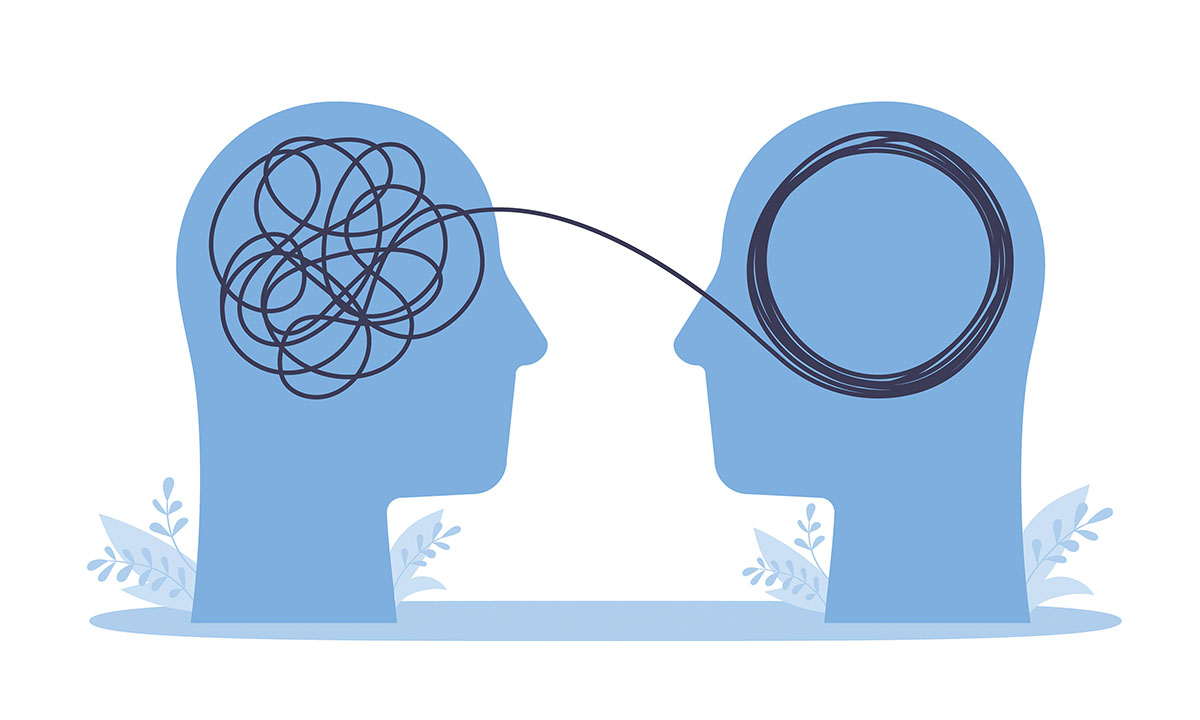
For children and teens with autism and other developmental disabilities, however, that inability to understand death and dying is compounded by their special needs, which may include limited communication abilities, a lack of abstract thinking and difficulty “reading” the emotions of others.
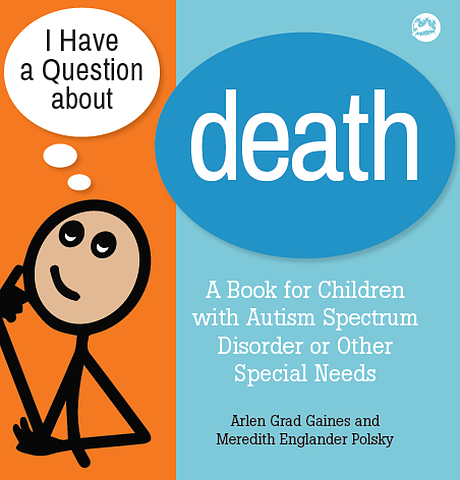
A new book, “I Have a Question about Death: A Book for Children with Autism Spectrum Disorder or Other Special Needs” by Arlen Grad Gaines and Meredith Englander Polsky is the first book to fill this gap. With a very straightforward presentation of the topic, and simple, uncluttered illustrations, the book has three components: 1) The complete story with more words for those with higher vocabulary comprehension 2) Short picture story for more visual learners and 3) Suggestions for parents and caregivers.
Uncomfortable questions, such as “What happens to people when they die?” are raised, bringing to the surface a whole range of spiritual and theological issues and responses, which the authors tactfully summarize by writing, “Different people believe different things, but nobody knows for sure.”
In the suggestions section of the book, parents and caregivers are advised to use clear, concrete words with children who have special needs, such as using the word “died” instead of “passed away” or “gone”. The authors explain why this directness is needed: “Though these softer words can feel to adults like they are cushioning the topic, they may make it less comprehensible to a child for whom euphemisms are difficult.”
“I Have A Question About Death” is an important new children’s book that tackles an extremely difficult topic with compassion and understanding. It is available from Amazon and most major bookstores. For more information, go to here.