Home, which Ulysses for many years has lacked,
is not the same when he returns to Ithaca.
Although he’s warmly greeted by his mythy cur,
and the wedding bed appears to be intact,
the hero cannot step into the same place twice,
any more that you can step into a river
expecting the same water. Life does not deliver
identical performances preserved with ice,
for time, unlike your feelings, can’t be frozen, ever,
and when you try to go back where you came from, you
will find that since you’ve changed with time, your point of view
will be quite different. Nothing is the same forever.
It wasn’t for the Greeks in spite of Byron,
and would be for the Arabs of south Syria’s
landmass, dissed not by Jews but by a siren
deluding them in their despair to be delirious.
Restraint was not the leitmotif that enabled the return to Israel of Jews,
heroic in a way that was the antithesis of what, in the Epics of the Fathers, Ben Zoma
demanded from a hero, one they as Zionists still choose to lose,
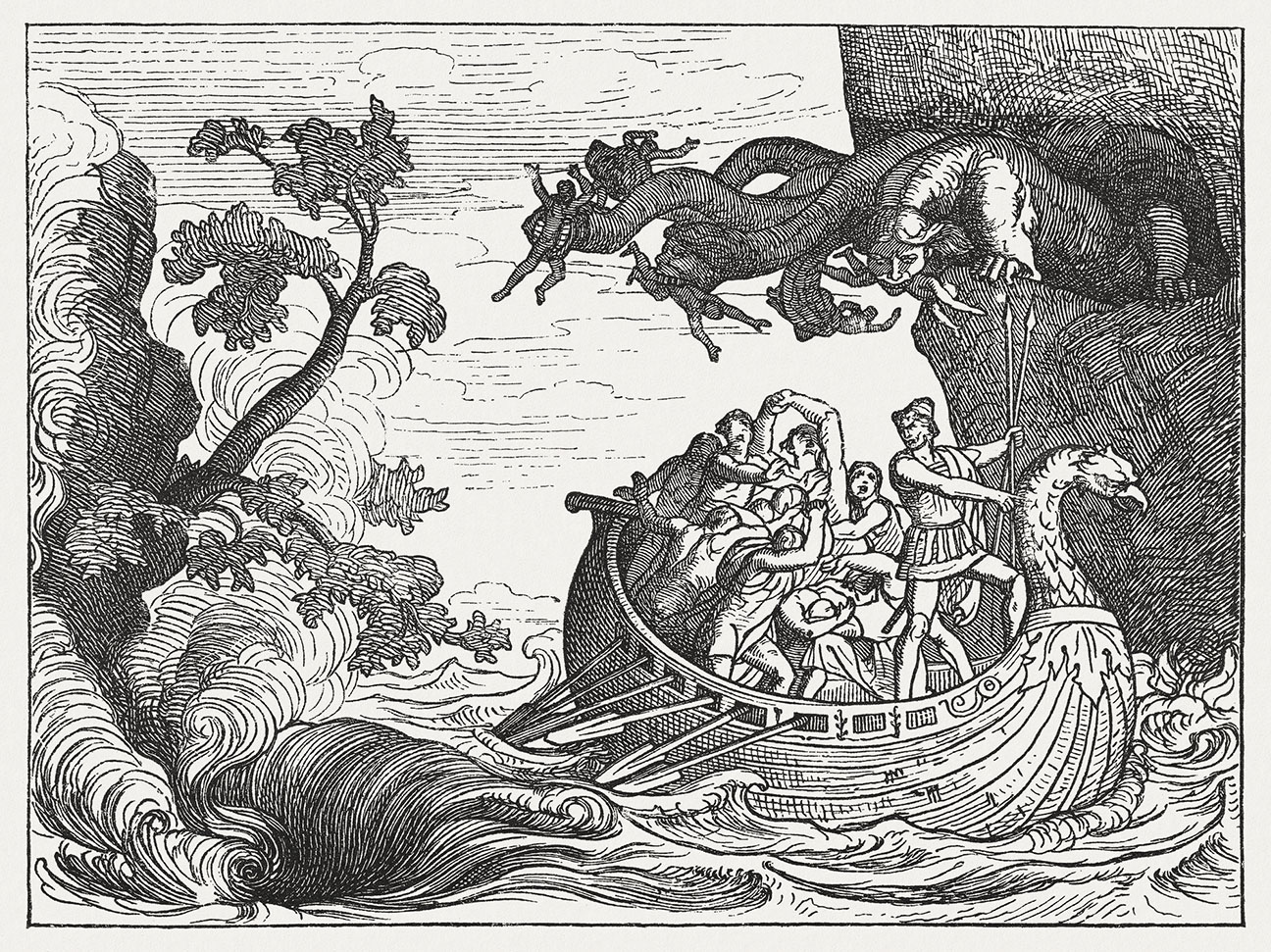
not becoming No Men as did Ulysses defeating Polyphemus in the epic attributed to Homer.
Epics of the Fathers (Pirqei Avot) 4:1:
בֶּן זוֹמָא אוֹמֵר. אֵיזֶהוּ גִבּוֹר, הַכּוֹבֵשׁ אֶת יִצְרוֹ, שֶׁנֶּאֱמַר (משלי טז) טוֹב אֶרֶךְ אַפַּיִם מִגִּבּוֹר וּמשֵׁל בְּרוּחוֹ מִלֹּכֵד עִירוּ:
Ben Zoma said: Who is gibbor, mighty? He who restrains his [evil] inclination, as it is said: “He that is slow to anger is better migibbbor, than the mighty; and he that rules his spirit than he that takes a city” (Proverbs 16:32).
Nolan’s movie subverts its hero when it portrays its gibbor, hero, Ulysses, as a man who failed to demonstrate restraint. Paradoxically, perhaps, this makes Chritopher Nolan’s hero the “No Man,” which is how Ulysses describes himself to Polyphemus.
I also wonder whether this description of Homer’s Ulysses contrasts Nolan’s Ulysses with Leopold Bloom, James Joyce’s anti-heroic variation of this theme.
Gershon Hepner is a poet who has written over 25,000 poems on subjects ranging from music to literature, politics to Torah. He grew up in England and moved to Los Angeles in 1976. Using his varied interests and experiences, he has authored dozens of papers in medical and academic journals, and authored “Legal Friction: Law, Narrative, and Identity Politics in Biblical Israel.” He can be reached at gershonhepner@gmail.com.