Is sovereignty an oriflamme that’s doomed,
as personal relationships increasingly
become encroached by those who are assumed
to be intrusive, and invade increasingly,
and is it doomed for national entities,
which now are answerable increasingly to sup-
ranational bodies? Doing as we please
will be perhaps just for the birds who’ll always poop
wherever they desire, sovereignty
of skies as yet unchallenged by the poop police.
Birds will be the only creatures who can flee
the oriflamme of sovereignty, and we must cease
deluding ourselves that we have control
of personal and national relationships.
We’re all controlled by outsiders, our only role
will be to pay to sovereignty mere service of the lip.
Sovereignty is now challenged by both Trump and Putin,
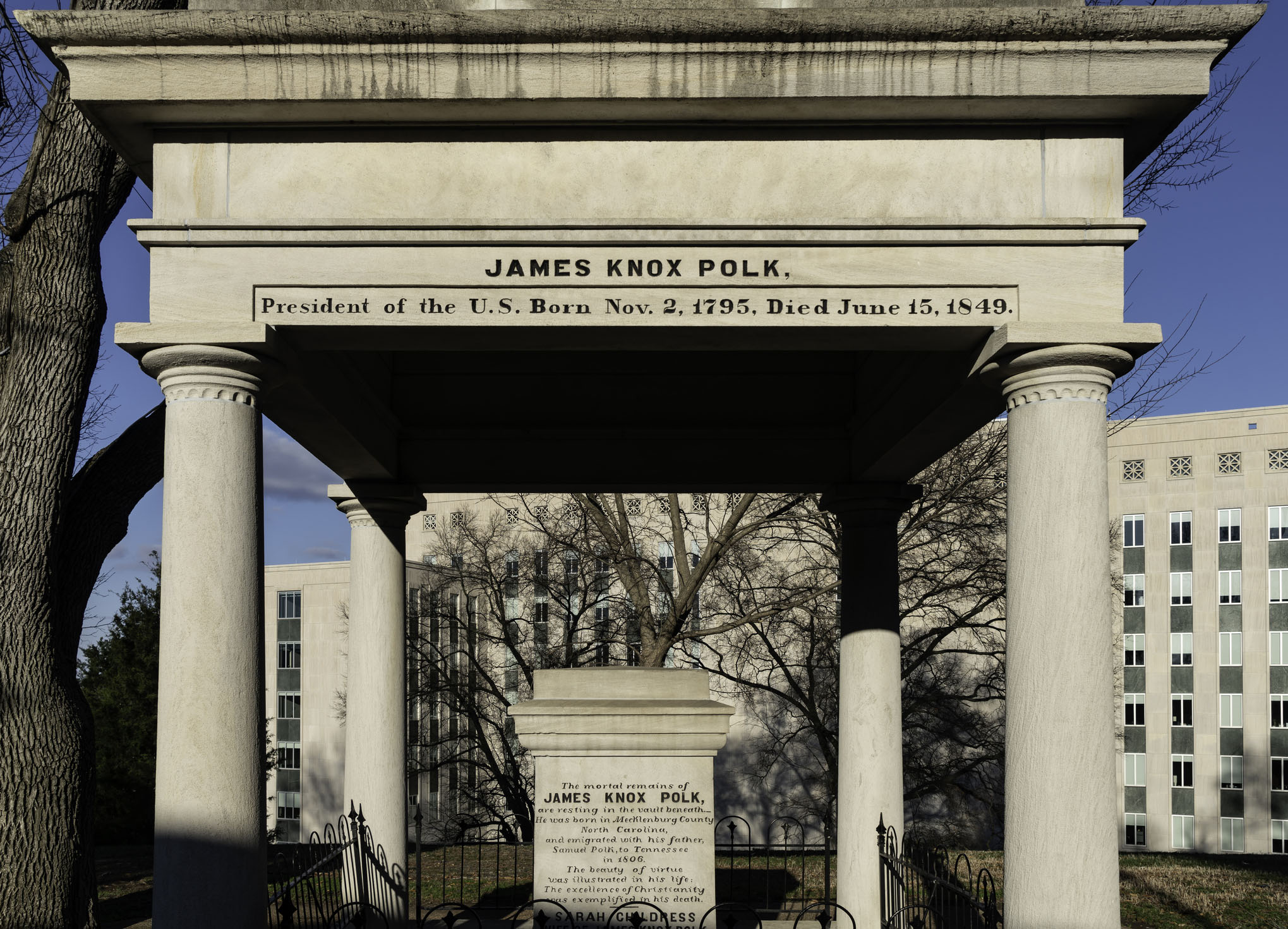
just as I was opposed once by James Polk,
distressingly denouncing what they’re both disputin’,
great principles long favored by free folk,
but is supported by the post-October war
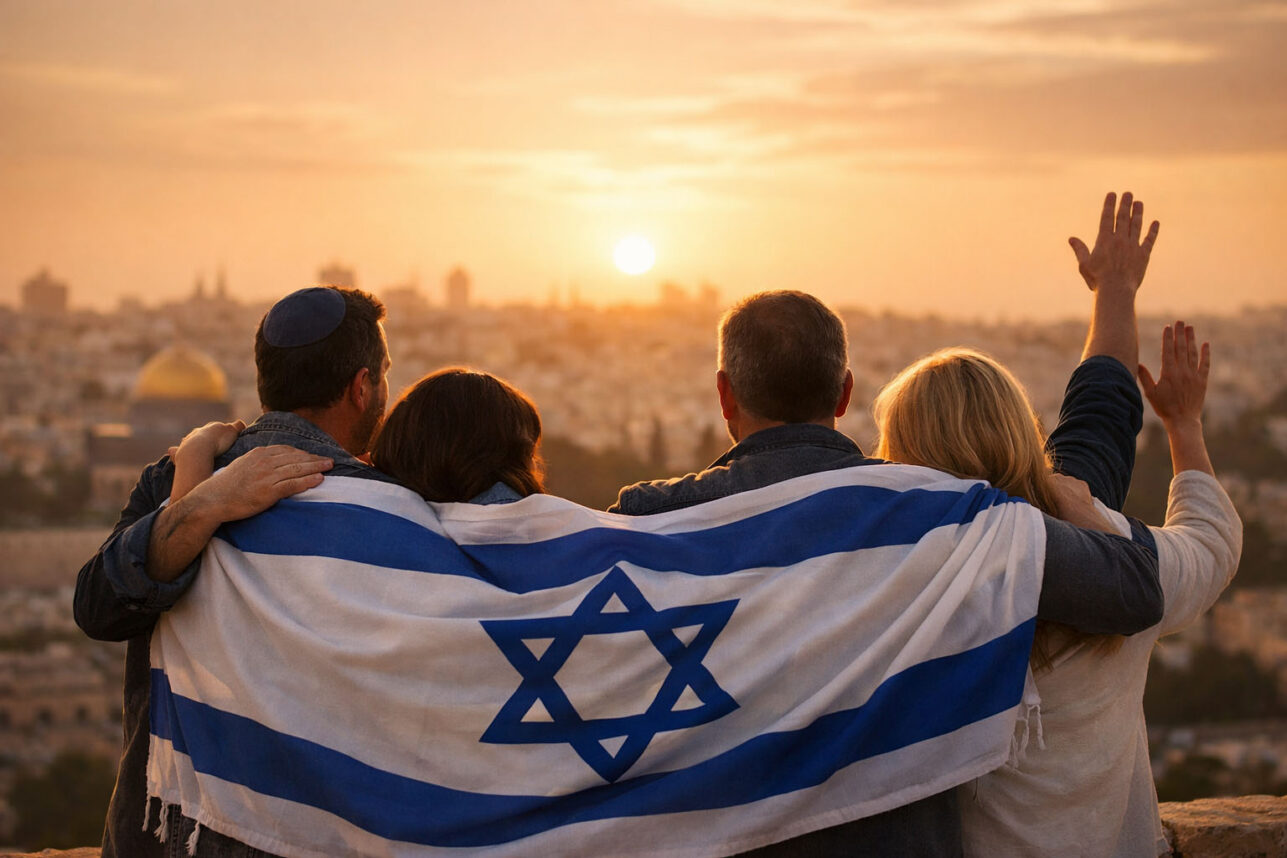
for Jewish sovereignty, mamlakhtiyut
the Hebrew word for what we must restore,
this Jewish, sadly often fatal, fruit.
In “Israel’s Second War of Independence,” mosaic-magazine.com, 3/1725, Michael Oren writes:
In this, our second war of independence, we have the opportunity—and beyond that, the duty—to ensure Israeli and Jewish unity. Our leaders have the opportunity to exhibit and personify the kind of behavior urged by Ben-Gurion in his most exalted (if untranslatable) coinage: mamlakhtiyut: i.e., acting in a respectable, responsible, and statesmanlike manner. Perhaps that would even be a more fitting name than the war of revival, or Iron Swords (the IDF’s formal name for its current military operations): milhemet ha- mamlakhtiyut, the war for attaining true sovereignty.
Thus, along with winning the war on the battlefield, we must triumph also in the war for Israel’s soul. Even though the extraordinary solidarity we experienced at the beginning of the war is today once again in danger of unraveling, there is reason to believe we will avoid the bloody internecine hatred of the kind once openly unleashed when, at the height of the Arab invasion of 1948, one Israeli armed force deliberately sank a ship (the Altalena) bearing the fighters of another.
Above all, we have every reason to be optimistic about the generation that has fought and continues to fight this war: the 360,000 reservists who, proportionally speaking, made up the equivalent of 20 million Americans—four million more than served in all of World War II.
They, the members of this generation, are tempered, steeled, anything but fragile, and intensely patriotic. They are the greatest such generation we have known since 1948. They are the Levi Eshkols and Golda Meirs, the Yitzhak Rabins and the Moshe Dayans of the future. They have been, and they remain, united, transcending all of the usual Israeli divisions—politics, religion, ethnicity—to live and to fight as a single force and with singular purpose. They are unparalleled in their resilience, their camaraderie, their quiet moral confidence, and their courage.
This generation will lead our country in rebuilding, reviving, and breathing new life into the Zionist project. This is the war for restoring our dignity, our identity, our independence, and for reaffirming and embracing our responsibility. This is the war after which, each time we rise to sing our national anthem anywhere and everywhere in the strong, sovereign, responsible Jewish state of Israel, we can stress, without modification, elision, or irony, the final phrases that say exactly who we are: “a free people, in our own land, in the land of Zion, in Jerusalem.”
In “The Painting That Explains Trump’s Foreign Policy,” WSJ, 3/15/25, Josh Dawsey, Vera Bergen and Alexander Ward point out that President Trump’s challenge of Danish sovereignty of Greenland, and that of Canada, echoes the way that President James Polk annexed Texas, California, Arizona, New Mexico, Nevada, Utah, and parts of Colorado and Wyoming. Polk’s conduct is so admired by President Donald Trump that he asked Speaker Mike Johnson for a portrait of James Polk that was hanging in the US Capitol in exchange for a one of Thomas Jefferson in the White House.
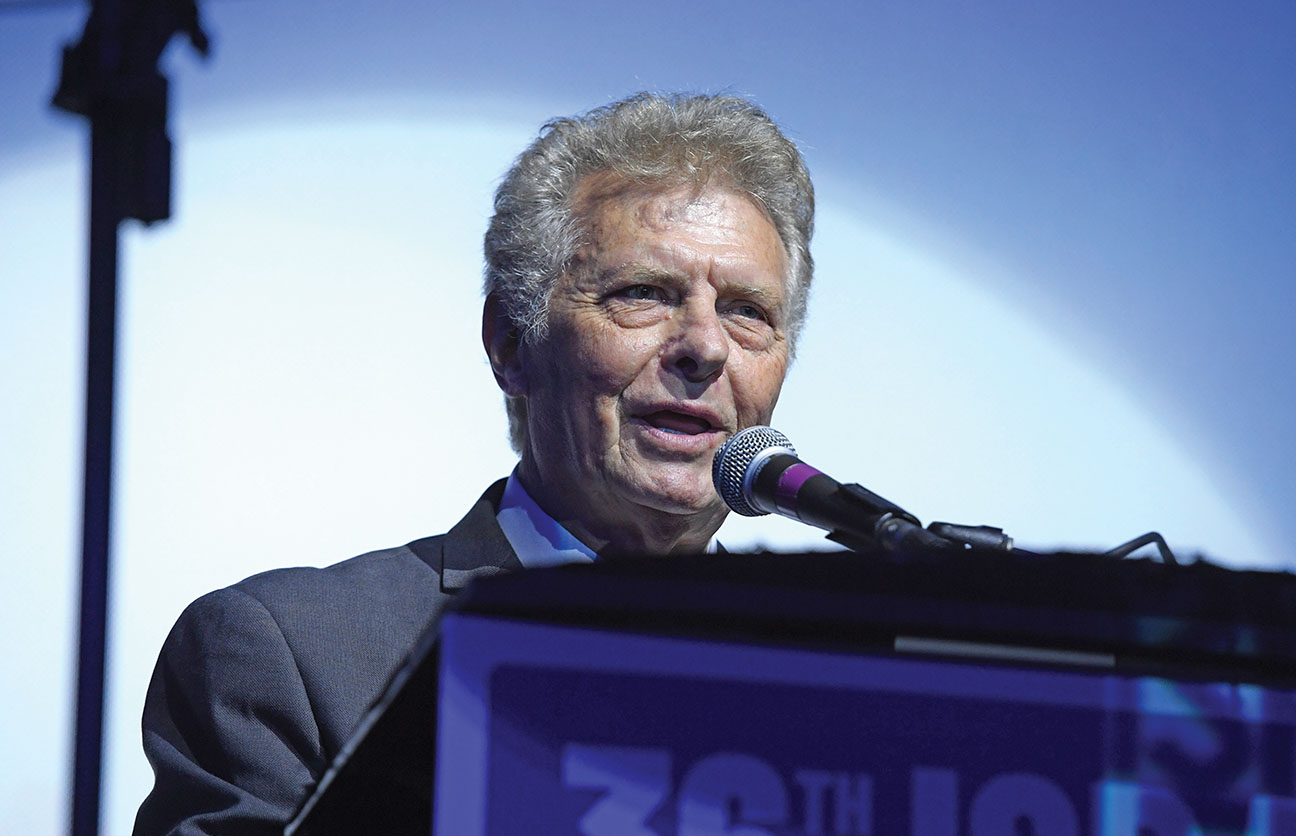
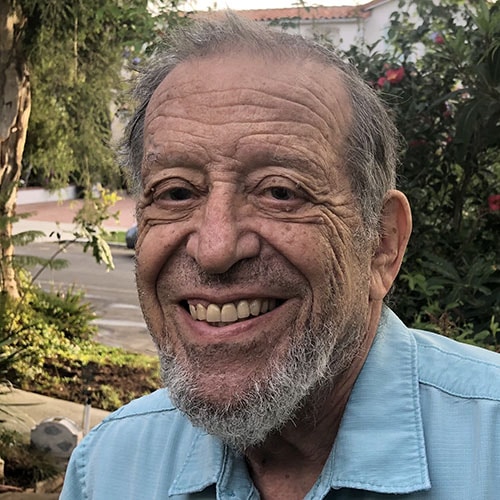
Gershon Hepner is a poet who has written over 25,000 poems on subjects ranging from music to literature, politics to Torah. He grew up in England and moved to Los Angeles in 1976. Using his varied interests and experiences, he has authored dozens of papers in medical and academic journals, and authored “Legal Friction: Law, Narrative, and Identity Politics in Biblical Israel.” He can be reached at gershonhepner@gmail.com.