
Not taking yes as answer, Naomi
was teaching Ruth how to be Jewish. Jews
with strangers feel great solidarity,
but aren’t enthusiastic when they choose
to join a people who were so unwilling
to accept the Torah while God had
threatened that Mount Sinai would be killing
them all if they refused. They were not glad
when offered Ten Commandments. “Far too many!”
they must have thought, an offer given with no choice,
to turn down and miscategorize as catchpenny,
compelled before receipt of them to voice
consent. Why then should strangers want to join
the Jews, considering that even those
genetically connected to Abe’s groin
were threatened by the mountain He’d bulldoze
on them unless they all converted? He
demanded Jews’ conversion, treating “No”’ as
unacceptable, as Ruth did, she
who from left field became the wife of Boaz,
and ancestress of David who acquired
Jerusalem, establishing a dyn-
asty which till today has not yet sired
a messiah promised from his line,
though in his thirteenth principle Rambam,
Maimonides, said all Jews must believe
that one in God’s good time will surely come,
just like the mountain God said He would heave
upon the Jews unless they all agreed
to follow all His rules before they heard
them, never Mirandized. He did not need
to roll the mountain, since they all concurred,
declaring willingness “to do” before
they heard from Moses each talmudic detail,
despite the Pentecostly metaphor,
not bargaining before the Sinai sale.
BShabbat 88a states:
״וַיִּתְיַצְּבוּ בְּתַחְתִּית הָהָר״, אָמַר רַב אַבְדִּימִי בַּר חָמָא בַּר חַסָּא: מְלַמֵּד שֶׁכָּפָה הַקָּדוֹשׁ בָּרוּךְ הוּא עֲלֵיהֶם אֶת הָהָר כְּגִיגִית, וְאָמַר לָהֶם: אִם אַתֶּם מְקַבְּלִים הַתּוֹרָה מוּטָב, וְאִם לָאו — שָׁם תְּהֵא קְבוּרַתְכֶם. אָמַר רַב אַחָא בַּר יַעֲקֹב: מִכָּאן מוֹדָעָא רַבָּה לְאוֹרָיְיתָא. אָמַר רָבָא: אַף עַל פִּי כֵן הֲדוּר קַבְּלוּהָ בִּימֵי אֲחַשְׁוֵרוֹשׁ, דִּכְתִיב: ״קִיְּמוּ וְקִבְּלוּ הַיְּהוּדִים״ — קִיְּימוּ מַה שֶּׁקִּיבְּלוּ כְּבָר.
The Gemara cites additional homiletic interpretations on the topic of the revelation at Sinai. The Torah says, “And Moses brought forth the people out of the camp to meet God; and they stood at the lowermost part of the mount” (Exodus 19:17). Rabbi Avdimi bar Ḥama bar Ḥasa said: the Jewish people actually stood beneath the mountain, and the verse teaches that the Holy One, Blessed be He, overturned the mountain above the Jews like a barrel, and said to them: If you accept the Torah, excellent, and if not, there will be your burial. Rav Aḥa bar Ya’akov said: From here there is a substantial caveat to the obligation to fulfill the Torah. The Jewish people can claim that they were coerced into accepting the Torah, and it is therefore not binding. Rava said: Even so, they again accepted it willingly in the time of Ahasuerus, as it is written: “The Jews ordained, and took upon them, and upon their seed, and upon all such as joined themselves unto them” (Esther 9:27), and he taught: The Jews ordained what they had already taken upon themselves through coercion at Sinai.
Exod. 24:7 states:
ז וַיִּקַּח סֵפֶר הַבְּרִית, וַיִּקְרָא בְּאָזְנֵי הָעָם; וַיֹּאמְרוּ, כֹּל אֲשֶׁר-דִּבֶּר יְהוָה נַעֲשֶׂה וְנִשְׁמָע. 7 And he took the book of the covenant, and read in the hearing of the people; and they said: ‘All that the LORD hath spoken will we do, and hear.’
The word “catchpenny” alludes to Henny Penny in “The Sky is Falling,” an iconic European folk tale about a chicken who believes that the world is coming to an end. The phrase “The sky is falling!” voices a misconceived threat in the story, and inspired a common idiom indicating a mistaken belief that disaster is imminent.
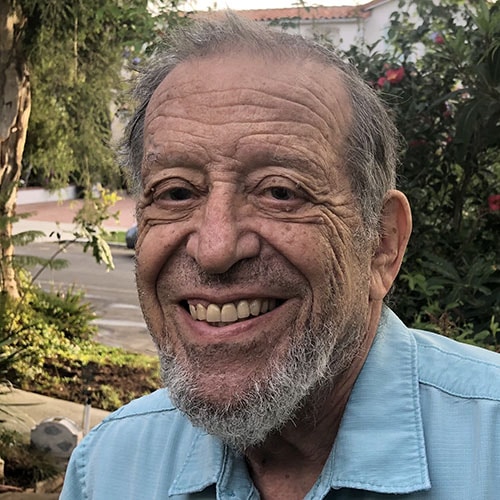
Gershon Hepner is a poet who has written over 25,000 poems on subjects ranging from music to literature, politics to Torah. He grew up in England and moved to Los Angeles in 1976. Using his varied interests and experiences, he has authored dozens of papers in medical and academic journals, and authored “Legal Friction: Law, Narrative, and Identity Politics in Biblical Israel.” He can be reached at gershonhepner@gmail.com.