
Beneath the carrion-carnaged carapace
lies pride in search of racial self-esteem
in a fatal Liebestod embrace
with death, while Arabs choose to dream
of former triumphs, paying no attention
to their failing future, overtaken
by vain delusions caused by reinvention
of their great past, as morbidly mistaken
as poets about greatness of their verses,
craving what they are not given, praises.
Unfortunately, making any curses is
more common that bestowing words of praise is.
On 5/13/22 I understood the late Fouad Ajami’s praise of my 2013 poem in a new light after reading the following in a review by Tunku Varadarajan of Ajami’s posthumously published memoir, “When Magic Failed “ (“Civilization’s Ambassador,” WSJ, 5/13/22:
Ajami, who died of cancer in 2014 at age 68, was among America’s most clear-headed thinkers on Middle Eastern affairs. He taught at Princeton and Johns Hopkins and was, at the time of his death, a fellow at Stanford’s Hoover Institution. While a few others competed with him in their mastery of the politics and history of the Arab world, none could match him for eloquence and for the melodic loveliness of his prose. The author of numerous books, Ajami is best known for “The Dream Palace of the Arabs” (1998), in which he parsed the disenchantment—and disconnection from reality—of Arab intellectuals and writers….
In the most heartbreaking passage of the book, the grandfather tells Fouad’s father that his teenage son composes poetry. “My father asked for my poetry,” Ajami writes, “and it was duly submitted to him that night.” He took the notebooks to his bedroom, as the callow poet waited for a father’s verdict. It was never delivered. His father never spoke to him about them. “I waited the next day. But no acknowledgment was to come. The notebooks of poetry just vanished.” Ajami learned later—he doesn’t tell us from whom—that his father had found his son’s poems of love “unbecoming of a young man.”
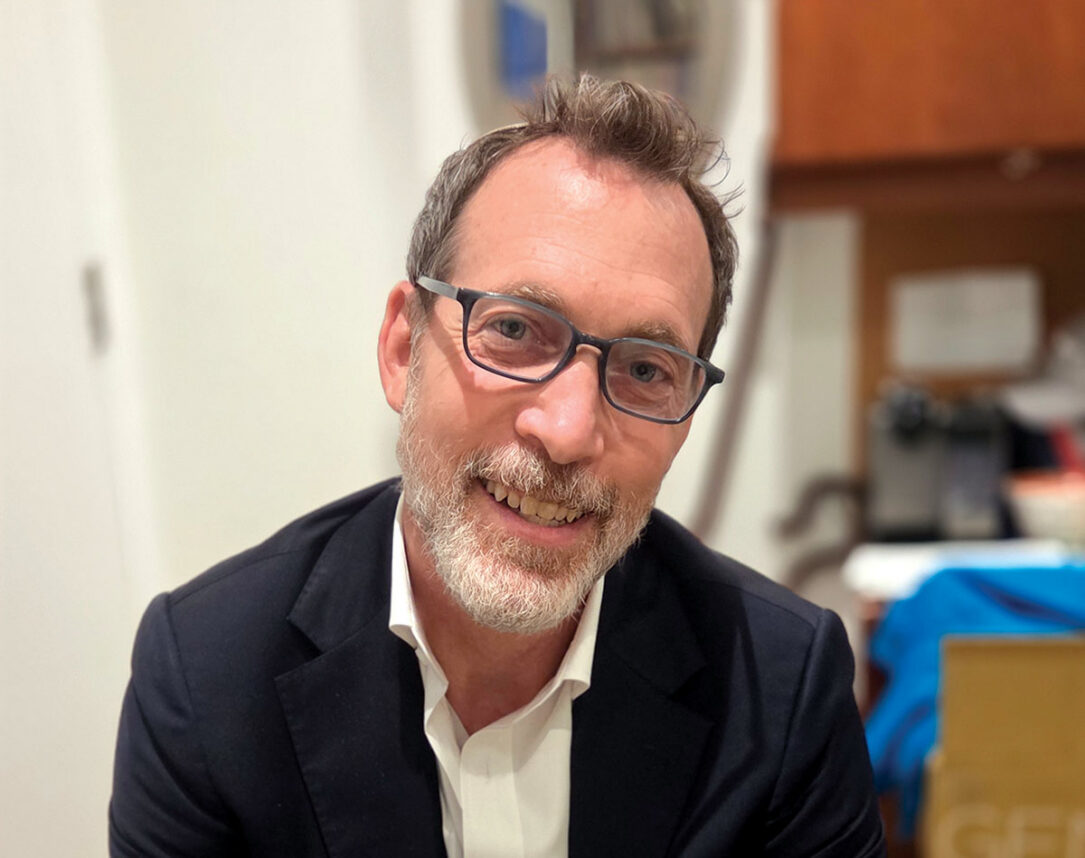
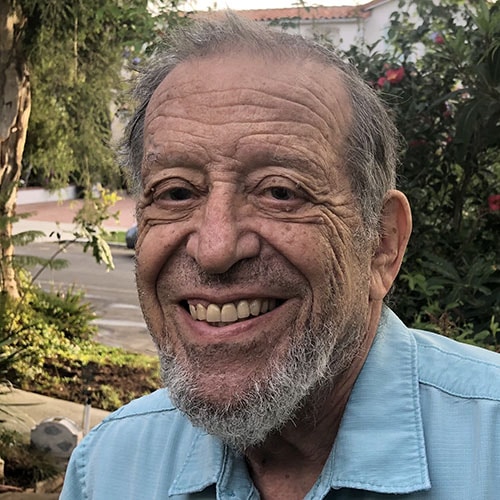
Gershon Hepner is a poet who has written over 25,000 poems on subjects ranging from music to literature, politics to Torah. He grew up in England and moved to Los Angeles in 1976. Using his varied interests and experiences, he has authored dozens of papers in medical and academic journals, and authored “Legal Friction: Law, Narrative, and Identity Politics in Biblical Israel.” He can be reached at gershonhepner@gmail.com.