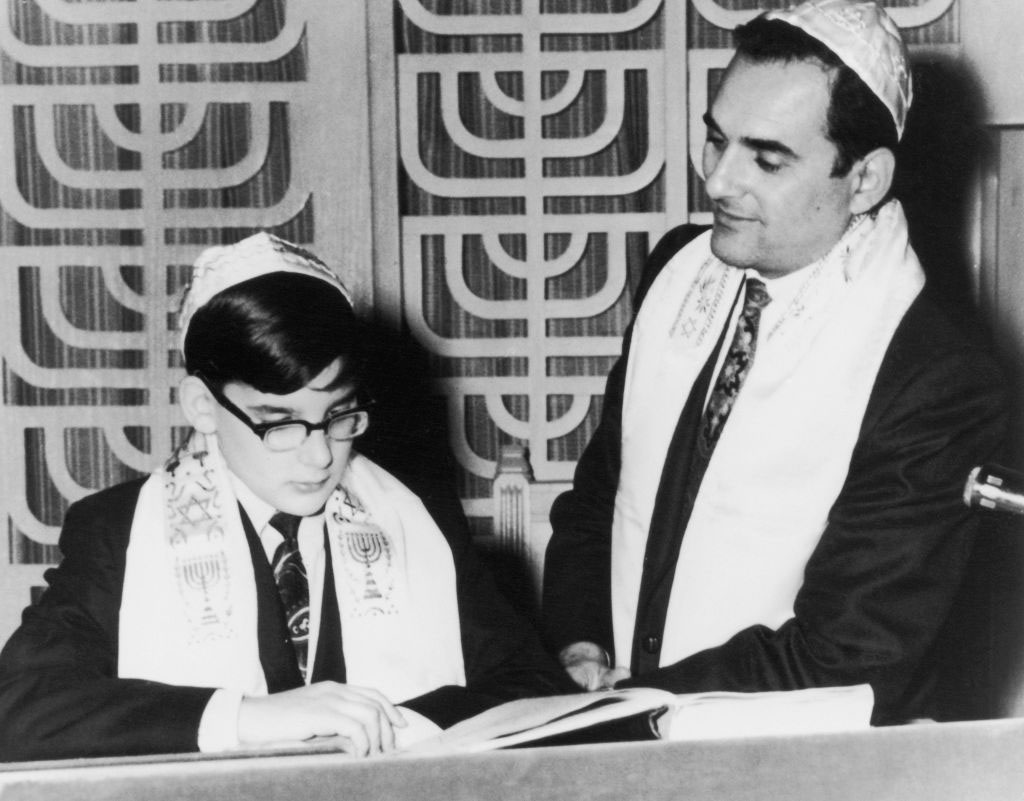

Shabbat begins. I follow Rabbi Reuven Wolf into 770 Eastern Parkway in Brooklyn — Chabad World Headquarters. The prayer space is packed with bearded rabbis in black fedoras. We join a line streaming single-file toward the center of the room. Maximum occupancy by code is probably 350, but there are a thousand inside, and hundreds more arriving by the minute.
I’m here because my friends Rabbi Efraim Mintz and Wolf both invited me, each promising a unique experience. I once witnessed a fan getting trampled by a celebratory mob at a football game. I wonder if I’ve made a good choice.
Physical pressure builds with every step. I trip over someone’s foot and instantly flash back to the trampling, but the guys around me hold me up and carry me forward. It’s too late to turn back. Independent motion is impossible.
We reach the heart of the room. Our bodies sway as waves of energy pass through us. The crowd synchronizes as we chant Psalms, thanking the Eternal One for Shabbat, Torah and life.
We break into a wordless song, a nigun, composed for this very night 40 years ago, when the Lubavitcher Rebbe completed his recovery from a near-fatal heart attack and returned to this room. He created this army of singing, dancing rabbis. They are the teachers and lamplighters he dispatched to the corners of the earth, armed with love, Torah and unshakable faith in their ability to hasten the redemption of humankind.
Though the rebbe died 23 years ago, their work has never slowed. His army returns to Crown Heights in Brooklyn once a year for the International Conference of Chabad-Lubavitch Shluchim (emissaries). They reconnect with friends and family, attend workshops and pray.
The soldiers of the rebbe’s army are not just men, but whole families. This week, the dads are in town. In February, the moms, or rebbetzins, will gather for their conference. Reoxygenated in Crown Heights, these families bring the light of Judaism to 100 countries, a number that grows every year.
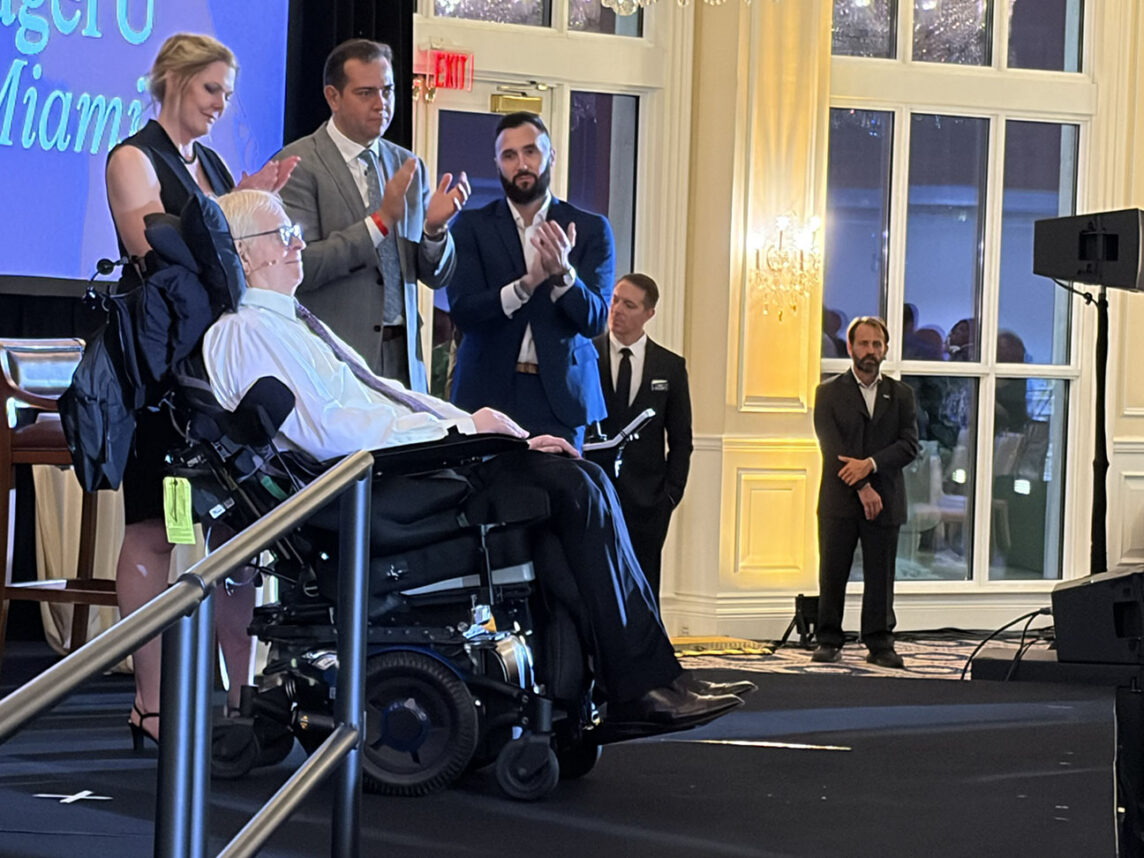
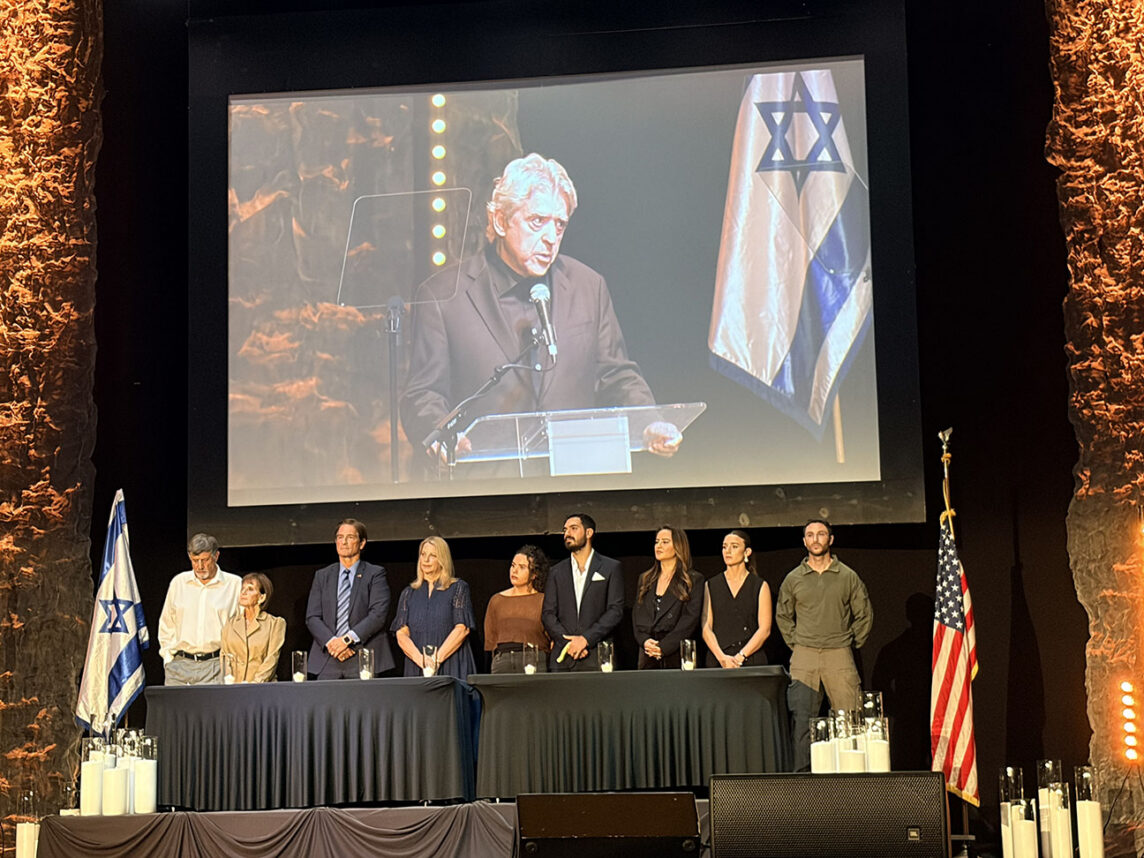
The weekend culminates in the Sunday night gala. The event’s infrastructure is breathtaking. I recently attended a fundraising gala at the California Science Center and was impressed by scope of that event, which catered to 1,200 guests.
The Chabad gala welcomes 6,500.
The room is vast. Passing through elaborate security measures, we encounter 650 elegantly decorated tables, high-tech lighting, a camera crane, a massive video display nearly 100 yards long, a revolving stage and hot, tasty food for all.
What really sets this night apart, however, are two stories and an unauthorized nigun.
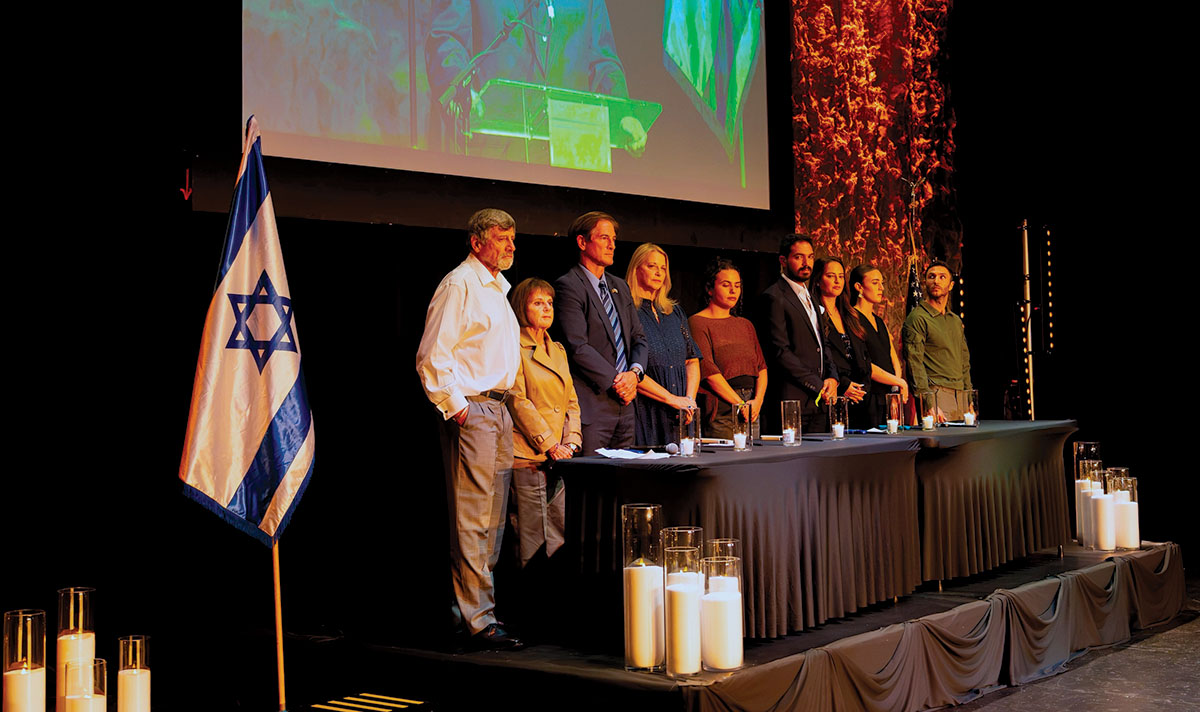
Rabbi Asher Federman of Chabad Virgin Islands shares how consecutive hurricanes crushed his beloved island just before Rosh Hashanah. Everyone was told to evacuate, but some simply couldn’t.
As Rabbi Federman’s large family boarded the last boat off the island, he bent to hug his children goodbye. Someone suggested he leave with them.
His kids immediately protested: “Daddy can’t leave! Who’ll take care of our Yidden? Who will blow the shofar for them on Rosh Hashanah?”
Rabbi Yonasan Abrams shared the story of a 9-year-old boy in San Diego, whose family had come to know the local Chabad emissaries. The boy asked his father if he could bring a Torah scroll home on Simchat Torah.
Without musical accompaniment or visible direction,
our voices rise in a stadium-like chorus of unrestrained joy.
He asked because his mother lay at home, too weak from chemotherapy to attend services. The next day, the Chabad family led a procession of singing and dancing worshippers, with Torah scrolls, to the boy’s home, where his mom celebrated her last Simchat Torah on earth with immense joy.
The boy dedicated his life to sharing that joy with others by becoming a Chabad emissary himself … the rabbi telling us this tale.
The night traditionally ends with singing and dancing, so the occasional outbursts of song around the room are quelled quickly to accommodate the three-hour program of speeches and videos. At one point, however, the rebbe’s recovery nigun spontaneously fills the room and neither the emcees, nor the orchestra, nor the VIPs can stop it. Without musical accompaniment or visible direction, our voices rise in a stadium-like chorus of unrestrained joy.
That’s when I finally grasp that the sea of matching beards, hats and fedoras actually is composed of rule-breaking iconoclasts like me, fueling up to battle soulless secularism with meaning and purpose. And I am all in.
Salvador Litvak shares his love of Judaism at facebook.com/accidentaltalmudist, where a video of the rebbe’s recovery nigun is available.