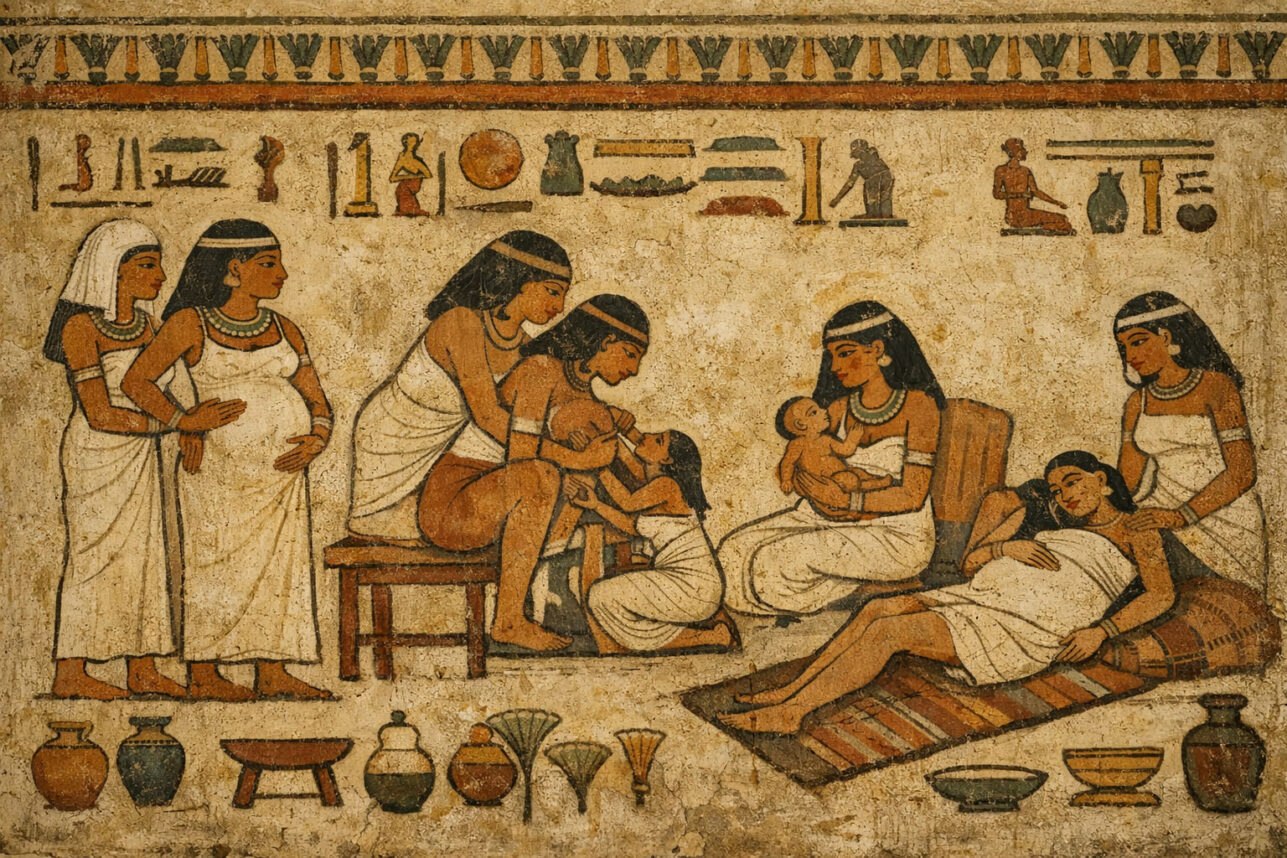
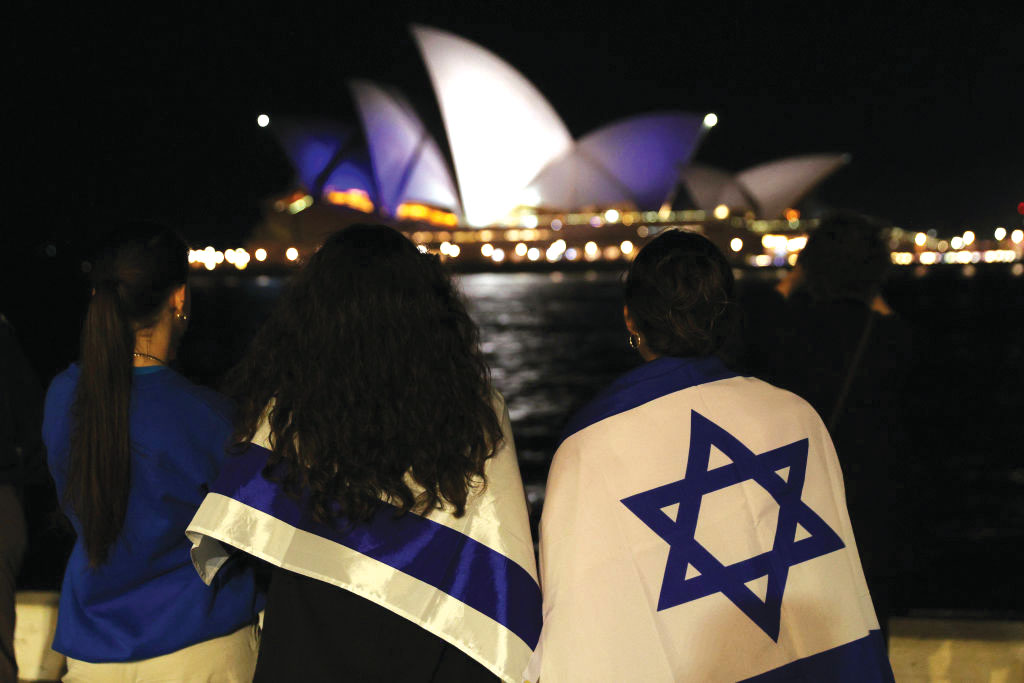
The book on Esther’s life was published toward the end of the previous decade. The cover is a bit gaudy, but the story is captivating. “Like Cinderella,” the author writes — and indeed, Esther Abrahams’ life resembled a fable: from the margins of society to being somebody. In 1788 she arrived in Australia with the First Fleet, 11 ships carrying the first Europeans to settle the continent. They landed in Botany Bay, roughly an hour’s drive from Bondi Beach, where a deadly attack on Jews took place this week. Almost all who came were convicted felons. Instead of prison, they were exiled to a penal colony. Some were Jews. Esther was the first Jewish woman in Australia.
Esther is a name of a heroine for Purim, not Hanukkah. But she reminds us that Jews have been in Australia since the very first day white settlers arrived. They were never many, but they were generally tolerated. Muted antisemitism was also tolerated. Wherever there are Jews, you will find antisemitism. It tends to flare when there’s opportunity. During the First Lebanon War, during the Second Intifada and again now. The Australian court has dealt with Holocaust denial. The Australian parliament has condemned antisemitic incidents. The last two years have been particularly rough. There are plenty of explanations for this: tensions in the Middle East, the growing influence of minorities unsympathetic to Jews, the meddling of foreign states and the general loosening of social restraint, abetted by social media.
Israel has very few effective tools it can deploy against antisemitism in Australia. Israel’s prime minister, Benjamin Netanyahu, is known in Australia — yet it’s not clear his harsh condemnation helps. Netanyahu has become an excuse for antisemitism, a symbol, whether he likes it or not, of the unpopular face of Israel. If the Australian government decides to protect its Jews, it won’t be because he lectures them. Not even if he does it while invoking our “Maccabean ancestors” (what on earth is the connection?).
On substance, Netanyahu is of course right: the Australian government has not shown sufficient concern for its Jews. It allowed anti-Israel groups to rampage. It allowed them to demonstrate that anti-Israel sentiment is often a thin disguise for antisemitism. The Jews of Australia are few — never even one percent of the population — but influential in business, media and politics. The current government seems to be keeping some distance from them. Still, one can assume that Australians don’t want shootings on their soil. Perhaps that will push them to draw some lessons from the murderous attack at one of the continent’s most important tourist sites. As for Israel, they are unlikely to suddenly change course. The ruling party has been at odds with Netanyahu’s government for quite a while — presumably because it pays off politically. Just as Netanyahu assumes that a quarrel with the Australian prime minister serves him politically, the Australian prime minister assumes the same. (If you’re not sure this is true, imagine what would happen if, heaven forbid, 10 Jews were murdered tomorrow in an attack in the United States: do you think Netanyahu would rush to blame Donald Trump for inflaming American tensions?)
So, what can Israel do, besides protesting? Express solidarity, of course. But beyond that, it has few levers of influence. The Americans might be able to have the ear of Canberra, but Israel already has a long list of requests from Washington. So it’s better if the initiative for such proding from Washington comes from someplace else.
And of course, there are the Jews themselves — first and foremost in Australia, and alongside them Jews elsewhere. Within limits, they can and should use their power wisely, strategically, coolly. There are ways to persuade politicians to change policy. Usually it happens when they face a clear choice: change — or pay a political price.
Expectations should remain realistic. Instead of crying gevalt — something the Maccabees did not do — Jews should prepare, as the Maccabees did. To prepare means, among other things, to arm. Jews need weapons — even in Australia. To prepare means to train. Jews need to know how to respond quickly to a shooting, without waiting for police who may take time to arrive. To prepare means to plan wisely. That doesn’t mean avoiding public gatherings – Jews should not have to hide. But if they don’t hide, sometimes they will get hurt. That’s tragic, infuriating, but worth remembering: Jews are killed in Israel too. Even here, the security forces don’t always arrive on time. Each person must weigh where to go, and what to avoid.
To prepare also means to recognize, without acceptance, that this is the world in which we live today. Enlightenment didn’t end antisemitism. Secularization didn’t end it. Education didn’t end it. Zionism didn’t end it. Globalization didn’t end it. Liberalism didn’t end it. The Jews were not defeated — but neither was antisemitism. The Jews know how to survive — and so do the antisemites. It’s a long war, and no one knows when or if it will ever end.
So what did we learn from Bondi Beach? Sadly, almost nothing new. Bondi Beach is now another name on an already crowded map of places where Jews were murdered. Not unique. Not different. Just another reminder of the constant Jewish need to guard, and to be on guard.
Something I wrote in Hebrew
Like more than a few columnists, I tried to propose an idea for dealing with Netanyahu’s request for pardon:
Let’s try being creative. So here it is: Herzog will grant the pardon only after election day. He could announce in advance that he will grant a pardon only after the elections … After the elections, there will be good reasons to grant a pardon… The first reason applies if Netanyahu wins: In such a case, Herzog could argue that the people have spoken … If the public wants Netanyahu so badly … it would be proper to pardon him … Second reason, if Netanyahu loses: in that case Herzog will also be able to say that the people have spoken. Netanyahu will already have received the signal that his time has come to step down … it would be better to put an end to this sad affair … and to free Israel from the need to go on dealing with Netanyahu.
A week’s numbers
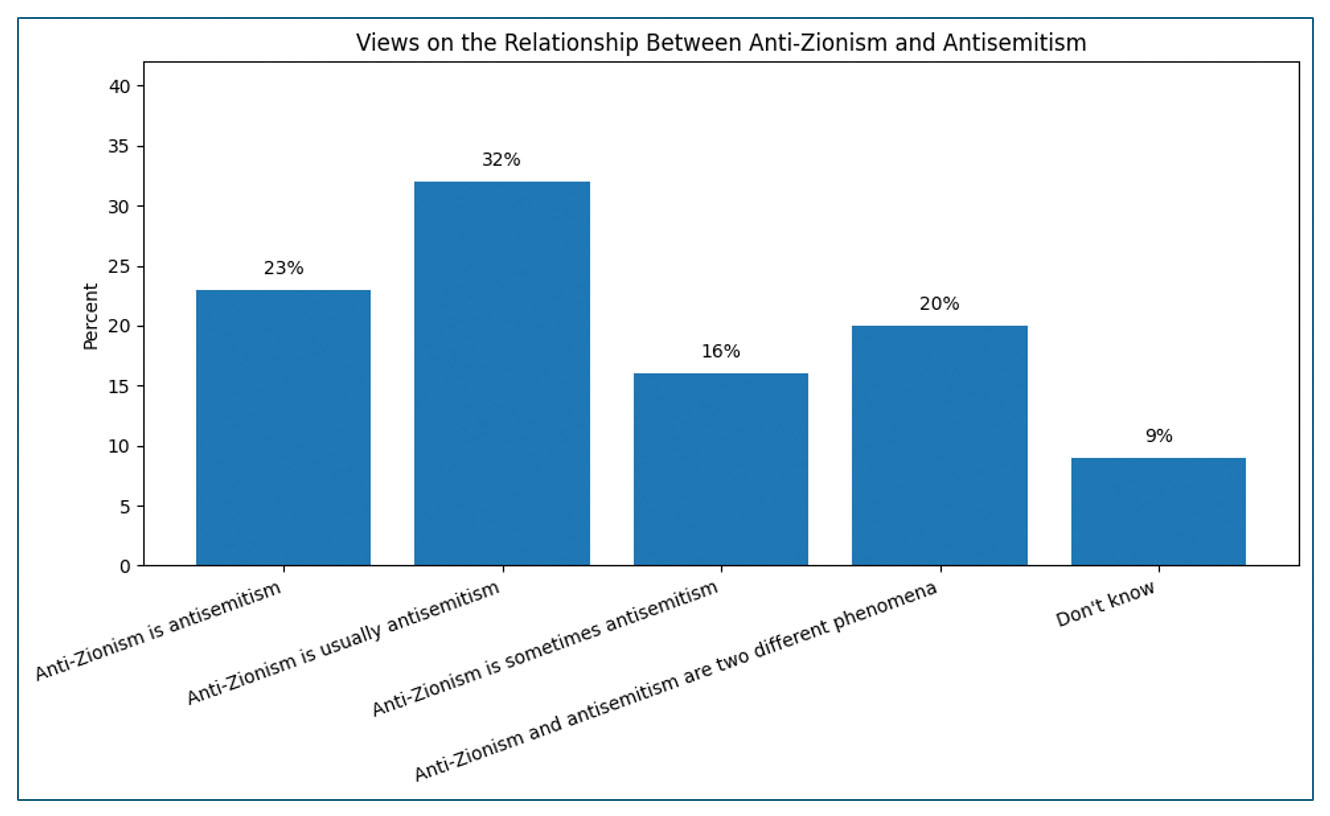
Most Israelis believe: yes, it is usually anti-Semitism (and Bondi Beach is yet another proof). A JPPI December survey.
A reader’s response
Eric N. wrote: “I no longer understand what your government wants to do in Gaza.” My response: What it wants it can’t do, what it does it doesn’t want.
Shmuel Rosner is senior political editor. For more analysis of Israeli and international politics, visit Rosner’s Domain at jewishjournal.com/rosnersdomain.