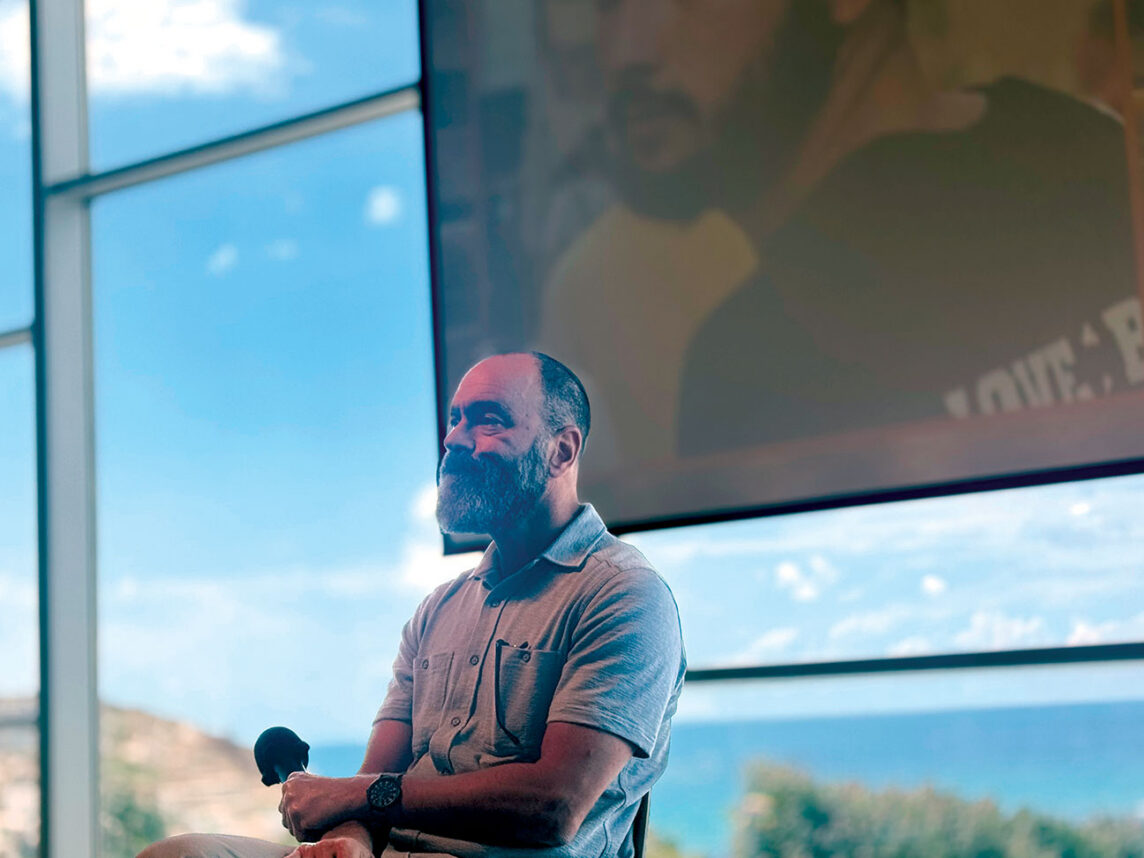
Our guest this week is Rabbi Dan Horwitz, the founding director and rabbi of The Well, an inclusive Jewish community-building, education and spirituality outreach initiative in metro Detroit geared to the needs of young adults and those who haven’t connected with traditional institutions. Committed to lifelong learning, Dan holds a BA, 3 MAs, and a JD in addition to rabbinic ordination. Selected by The Forward as one of “America's Most Inspiring Rabbis,” Dan is an avid basketball player, violinist and Detroit sports enthusiast, and is a member of OHALAH: The Association of Rabbis for Jewish Renewal and the State Bar of Michigan. Dan makes his home in suburban Detroit with his wife Miriam and their son Jonah.
This Week's Torah portion – Parashat Matot-Masei (Numbers 30:2-36:13) – begins with Moses presenting the heads of the tribes with rules concerning the annulment of vows. War is waged against Midian and the Torah lists the different spoils Israel took hold of in their victory and describes how they are distributed. The tribes of Gad, Reuben and half of Menashe ask Moses for the territory East of the Jordan as their portion of the promised land, and Moses eventually agrees on the condition that they first help conquering the west part West of the Jordan. The boundaries of the Promised Land are stated, and cities of refuge are designated as havens for people who commit inadvertent murder. The portion ends with the story of the daughters of Tzelafchad marrying men of their own tribe (Menashe) in order to keep the estate which they inherited from their father within their own tribe. Our conversation focuses on the two and a half tribes' request for land and on what this episode could teach us about conflict resolution.
Our past discussions of Parashat Mattot-Massei:
Rabbi Uri Regev on the Torah’s attitude toward the difference between vows made by men and women
Rabbi Steven Lindeman on the need to balance between our feelings about Israel's right to particular sections of the land and the well-being of our children
Rabbi Jonathan Roos on the decision by the two and a half tribes to stay across the Jordan and the lessons about priorities included therein.