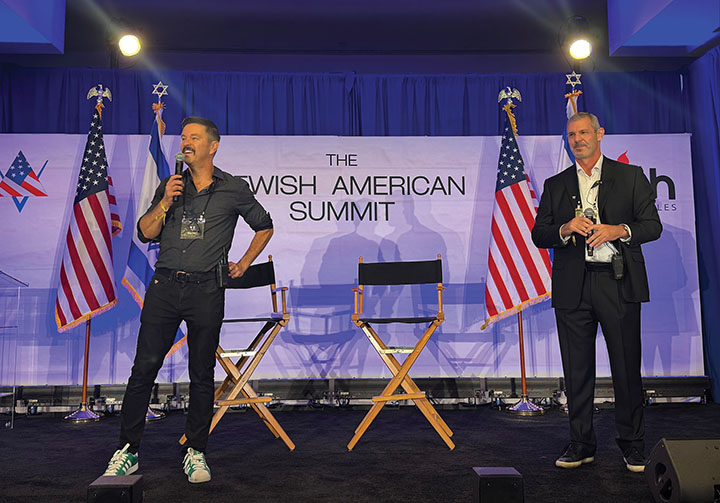
Officials with the nonprofit Simon Wiesenthal Center praised Twitter Inc on Monday for increasing efforts to thwart Islamic State's use of its platform for recruitment and propaganda.
The center's Digital Terrorism and Hate Project gave Twitter a grade of “B” in a report card of social networking companies' efforts to fight online activity by militant groups such as ISIS.
“We think they are definitely heading in the right direction,” the project's director, Rabbi Abraham Cooper, told Reuters in a telephone interview ahead of Monday's release of the report card at a press conference in New York.
He said the review was based on steps that Twitter has already taken and information that center staff learned in face-to-face meetings with company representatives.
Islamic State has long relied on Twitter to recruit and radicalize new adherents. The Wiesenthal Center, an international Jewish human rights organization, has been one of toughest critics of the Twitter's strategy for combating those efforts.
Some vocal Twitter critics have tempered their views since December, when the site revised its community policing policies, clearly stating that it banned “hateful conduct” that promotes violence against specific groups and would delete offending accounts.
Researchers with George Washington University’s Program on Extremism last month reported that Islamic State's English-language reach on Twitter stalled last year amid a stepped-up crackdown by the company against the extremist group's army of digital proselytizers.
The center gave Twitter grade of “C” in a report card last year, which covered efforts to fight terrorism along with hate speech. This year it gave two grades, awarding Twitter a “D” on hate speech, saying the company needed to do more to censor the accounts of groups that promote hate.
A Twitter spokesman declined comment, but pointed to a statement on the company's blog posted Feb. 5 on combating violent extremism.
“We condemn the use of Twitter to promote terrorism and the Twitter Rules make it clear that this type of behavior, or any violent threat, is not permitted on our service,” Twitter said in the blog.
Among other major Internet firms included in this year's survey, Facebook Inc got an “A-” for terrorism and a “B-” for hate. Alphabet Inc's YouTube got a “B-” for terrorism and a “D” for hate.