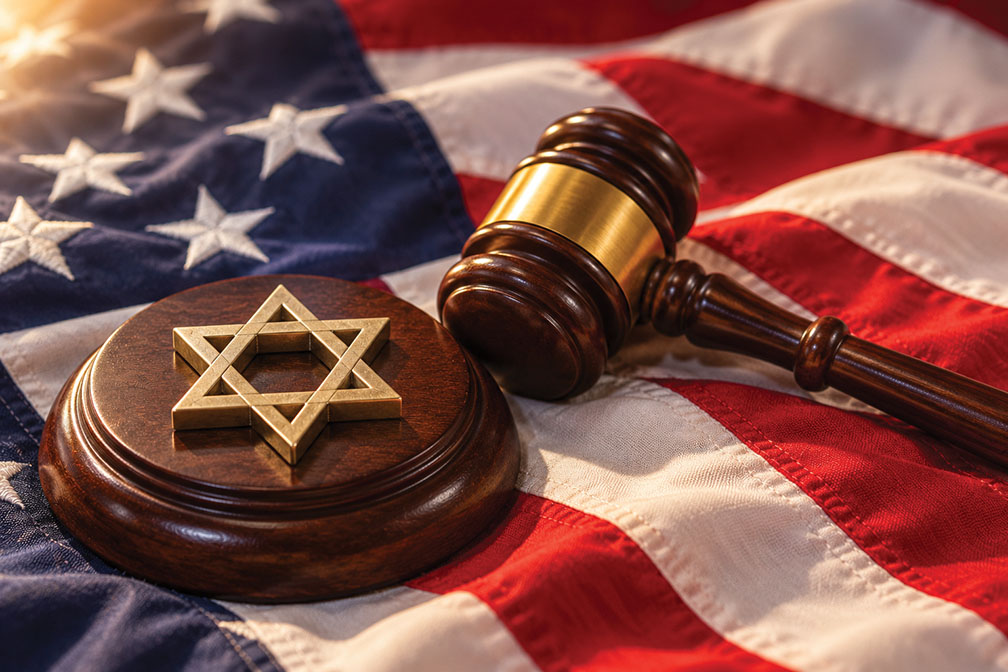
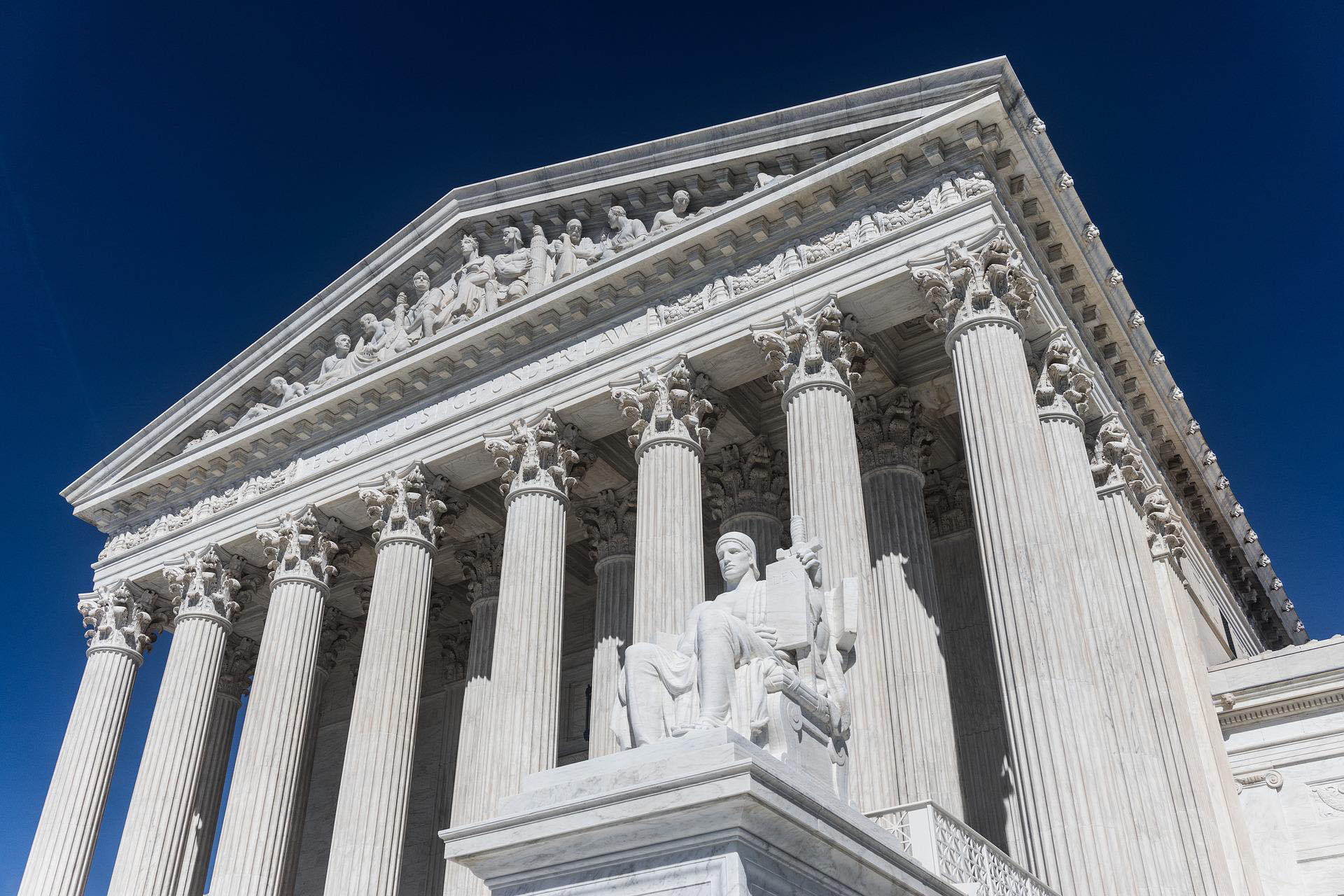
The Supreme Court announced on February 21 that they would not be reviewing a lower court decision upholding Arkansas’ law against the Boycott, Divestment and Sanctions (BDS), the Associated Press (AP) reported.
The law had barred the state government from entering contracts with those who refused to sign a pledge against boycotting Israel. The case, Arkansas Times v. Waldrip, stemmed from an advertiser from The Arkansas Times refusing to sign a pledge to not boycott Israel as part of the state law, as The Times receives funding from a state college. The Times argued that this was a violation of the First Amendment. In June, the Eighth Circuit Court of Appeals ruled 9-1 against The Times, arguing that the law “only prohibits economic decisions that discriminate against Israel.” The Supreme Court declined to intervene on February 21, thus upholding the federal appeals court’s decision.
“The Supreme Court has confirmed our view that state statutes opposing BDS are indeed constitutional,” American Jewish Committee (AJC) General Counsel Marc Stern said in a statement. “The primary aim of the BDS movement is to eliminate the State of Israel. The court’s action gives a boost to efforts to put a stop to the pernicious effort to isolate Israel economically and morally.” The AJC had filed a brief in support of the law.
Kenneth L. Marcus, Chairman and Founder of the Louis D. Brandeis Center for Human Rights Under Law, also said in a statement that the Supreme Court “put to rest the absurd notion that anti-BDS laws are incompatible with robust protections for the freedom of speech. Anti-Israel boycotts will now be seen for what they are: discriminatory conduct rather than political speech.”
He added: “Like many other states, Arkansas had commendably decided that its state’s taxpayers should not subsidize anti-Semitic boycotts of Israel through their government contracting process. When states prohibit discrimination against other groups, they must be consistent in preventing bias against the Jewish people. It is notable that, in this case, BDS supporters could not find even one justice—there were no dissenters—to support their discriminatory activities. The Louis D. Brandeis Center was pleased to support the State of Arkansas through its amicus work, just as we have fought BDS in higher education, corporate America, and most recently in the Ben & Jerry’s case. We will continue to fight against discriminatory BDS activities from the campus to the ice cream parlor, and from the boardroom to the U.S. Supreme Court.”
Arkansas State Senator Jim Dotson, a Republican who helped draft the law, said in a statement, “BDS supporters have purposely tried to confuse understanding of the difference between free speech and commercial conduct. Today’s denial is a welcome development for those who support the First Amendment and oppose antisemitism and anti-Israel discrimination. It is timely that the court’s decision followed our state’s unanimous passage of the country’s strongest-ever law dealing with antisemitic crime and discrimination.”
Christians United for Israel (CUFI) said in a statement, “Elected officials, business leaders, and anti-Israel activists should take note: the American people have spoken, and they are pro-Israel. CUFI applauds the Supreme Court’s unanimous decision today to push back against the effort to use American taxpayer dollars to subsidize economic antisemitism.”
Israeli-American Coalition for Action Chairman Shawn Evenhaim called the ruling a “significant Constitutional victory for states that have taken a strong stand against the BDS hate movement. Now, this ruling will allow even more states to do what’s right and prevent publicly funded commercial interests from discriminating against the Jewish state.”