In the aftermath of the 2020 election, several state legislatures are pursuing reforms that would add additional barriers to voters. But one expert argues that combatting these threats by passing federal voter protection laws is “better than suing.”
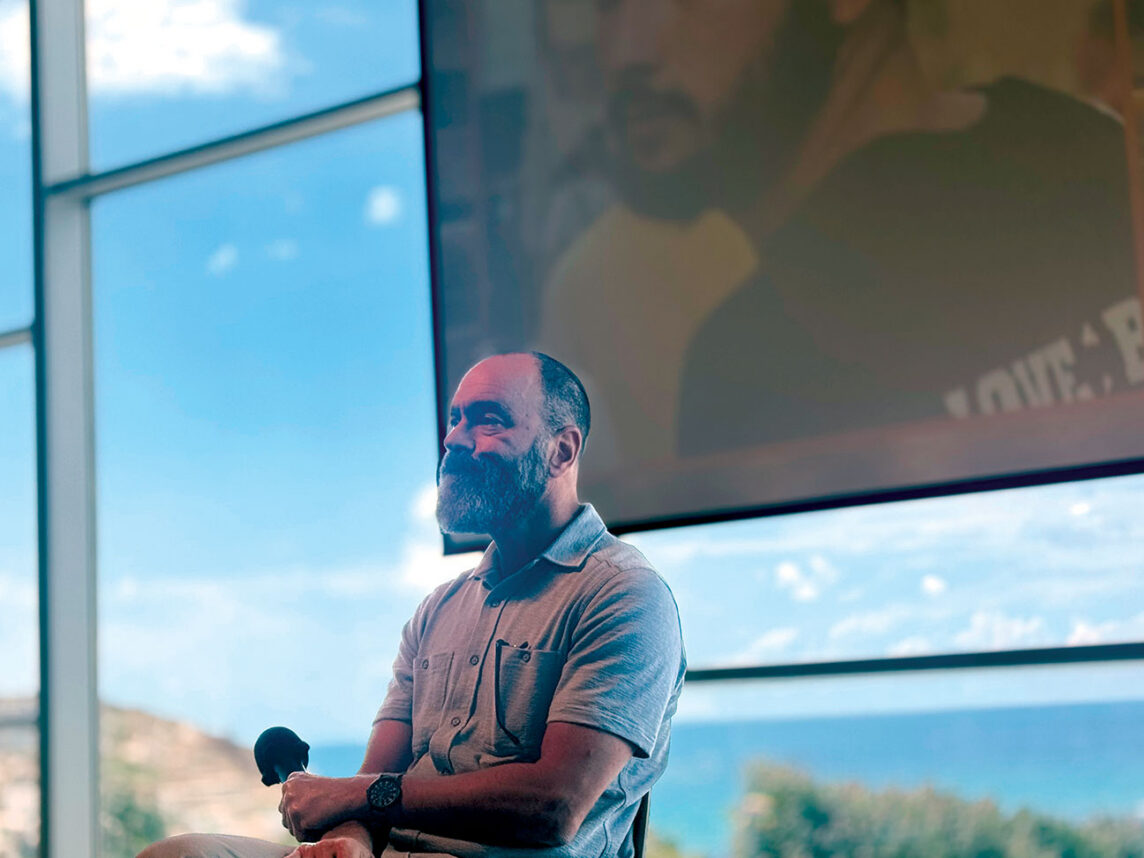
On February 26, the Jewish Democratic Council of America (JDCA) hosted a call titled “Defending Democracy: The Fight Against Voter Suppression” with Marc Elias. Elias is a leading voting rights attorney and recipient of the Ruth Bader Ginsburg Justice Award; in the lead-up to the 2020 election, his firm, Perkins Coie, argued 150 voter disenfranchisement cases. JDCA CEO Halie Soifer moderated the event.
Throughout the call, Elias explained various barriers to voting. States that are targeting no-excuse absentee voting, he stated, would discourage college-aged student voting. Elias stated that there is tremendous disenfranchisement targeted at younger voters; he cited a recently released report that found that in the 2018 general election, Georgia rejected the ballots of young and minority voters at higher rates than their counterparts. Elias lamented laws that prevent using student IDs to vote but allow hunting licenses to be used as IDs. He also called partisan gerrymandering a “threat” to the consent of the governed. These latest barriers, he argued, feed the lie of fraud in elections.
Elias explained that prior to 2013, two parts of the Voting Rights Act prevented such disenfranchisement. Section 2 of the law is still in place, but the “preclearance” element of Section 5 was overturned by Shelby County v. Holder. Section 5 stated that jurisdictions that have a history of voter discrimination couldn’t change voting laws unless the changes were precleared. Elias said he wanted to reinvigorate Section 5 to add more protection because many of these new laws “look facially neutral, but make no mistake, they are targeted ‘with surgical precision’ to disenfranchise Black voters.”
“Make no mistake, [these laws] are targeted ‘with surgical precision’ to disenfranchise Black voters.”
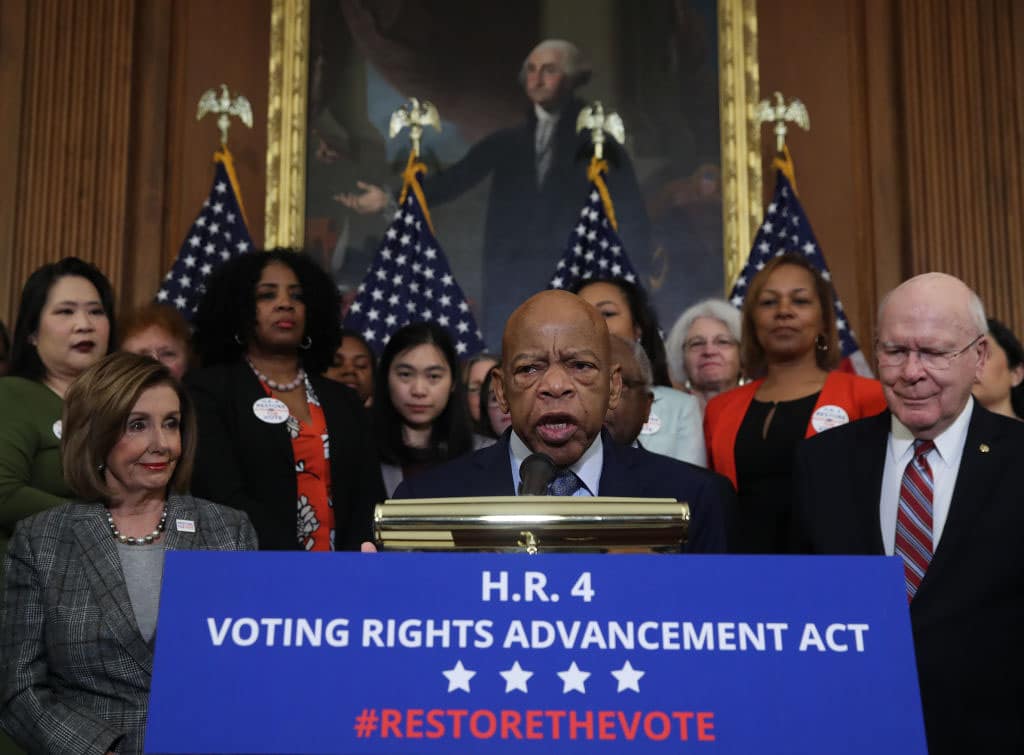
Although he is prepared to litigate cases against post-Shelby voting laws, Elias argued that passing the John Lewis Voting Rights Act — introduced in the prior session of Congress —could address the gap in protection created by Shelby, thus stopping “the [current disenfranchisement] efforts we are seeing in Georgia.” And the “For the People Act” (H.R. 1) is “the other piece of that equation” that would improve “mechanics of voting in this country.” But the Senate needs to reform the filibuster to secure the passage of these laws, he said.
If those laws fail, Elias argued, litigation is left — although it is “an imperfect tool.” Elias encouraged a “long-term commitment” to voting rights, suggesting, for example, that university alumni networks mobilize to combat student disenfranchisement. State legislatures are “very very sensitive to public pressure campaigns,” he argued, especially because universities are big employers. JDCA also encouraged viewers to get more involved, such as writing to their representatives and urging them to pass H.R. 1.