






The nostalgia attached to the ’80s and ’90s often comes from a world where public hanging-out was built into daily life.
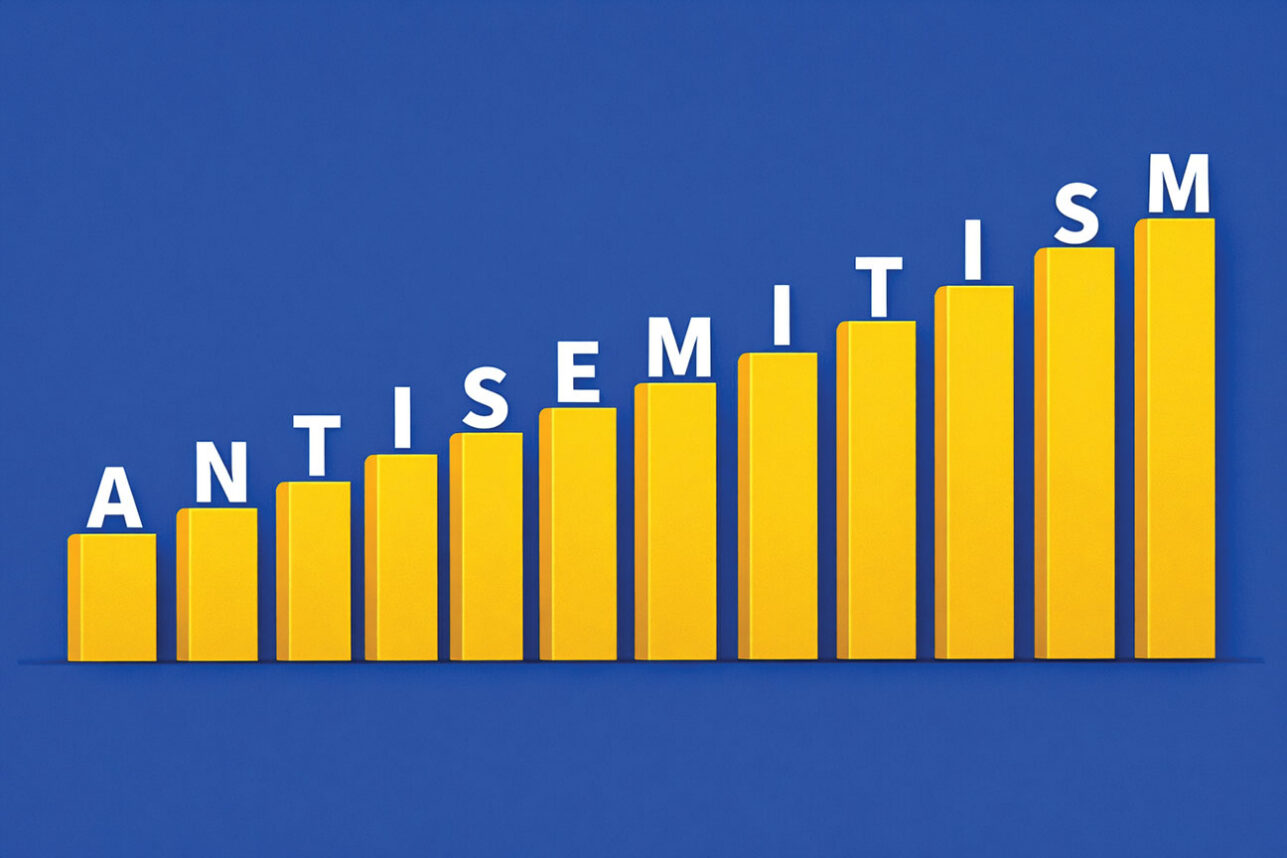
For over half a decade, I had seen how the slow drip of antisemitism, carefully enveloped in the language of social justice and human rights, had steadily poisoned people whom I had previously considered perfectly reasonable.
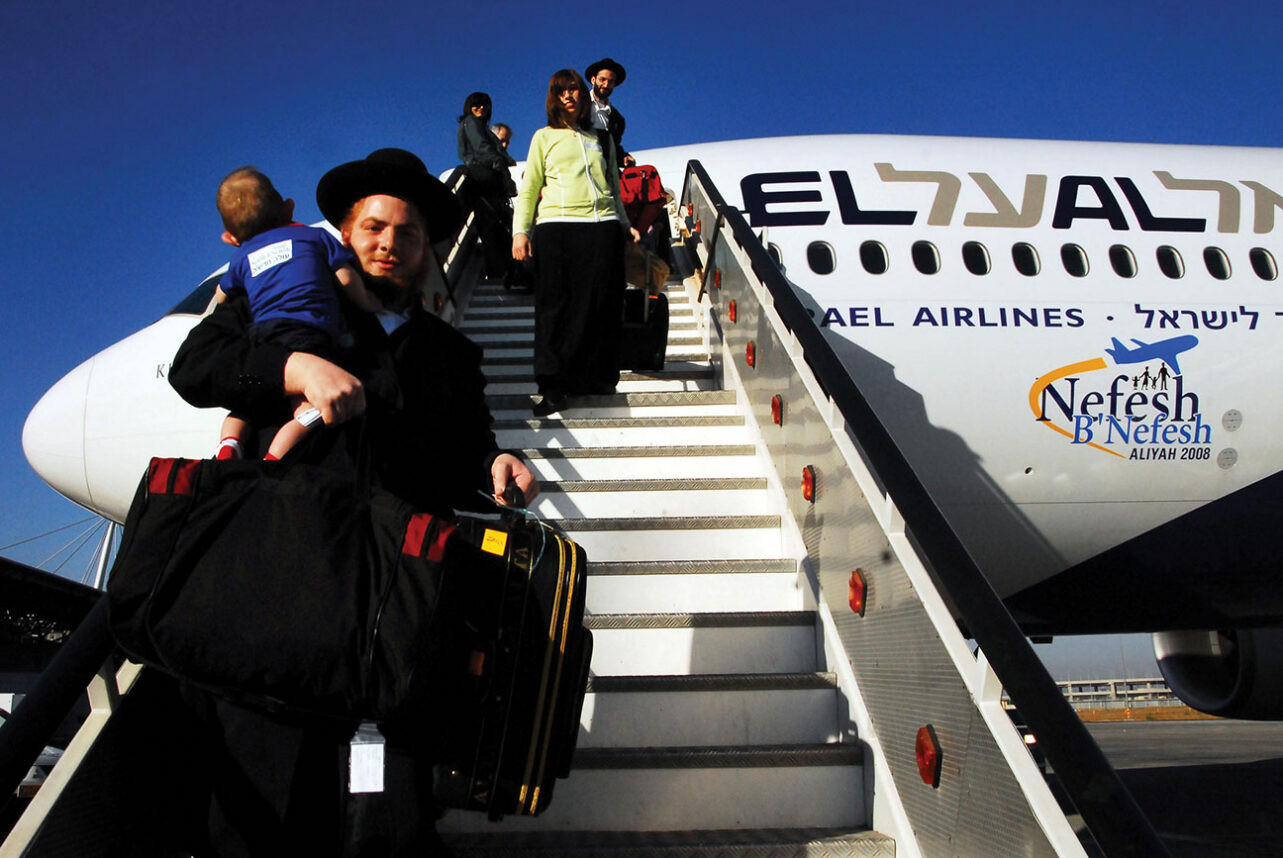
Today, amid rising global antisemitism and uncertainty in the Diaspora, many Anglos considering aliyah are searching not only for housing but for belonging.
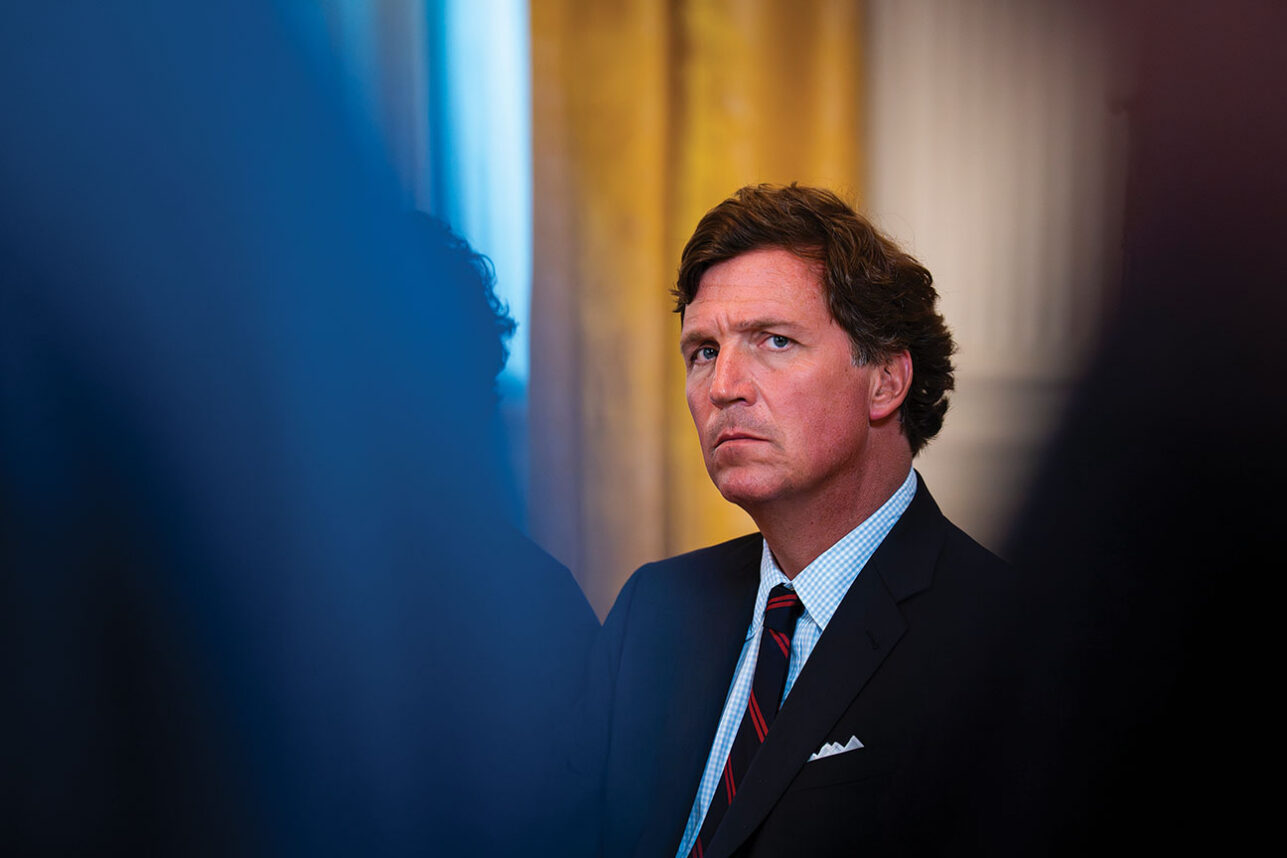
Their assumptions about the attack on Iran are based on a belief in the resilience of an evil terrorist regime, coupled with a conviction that Trump’s belief in the importance of the U.S.-Israel alliance is inherently wrong.
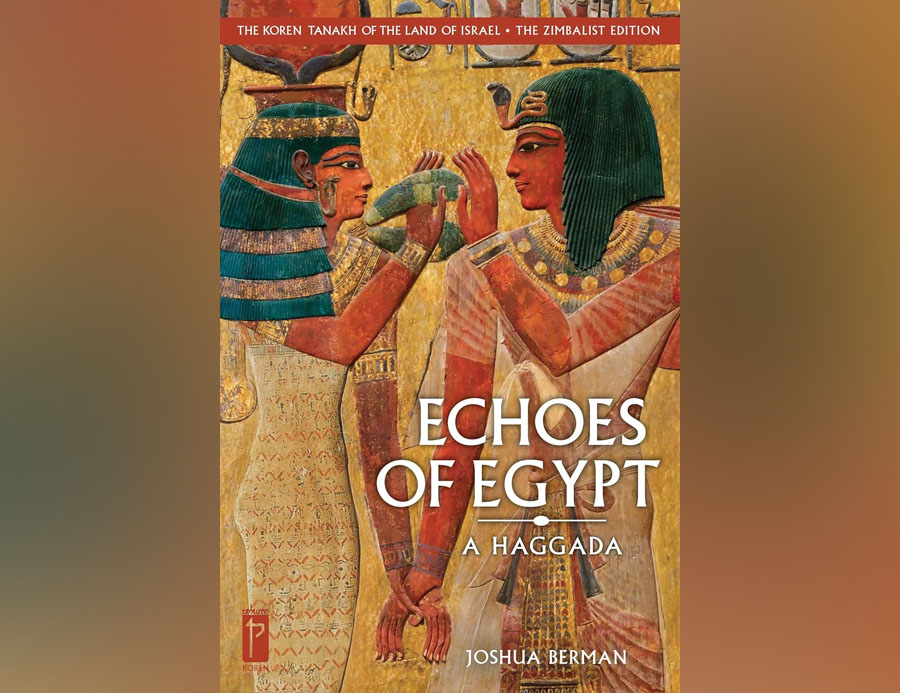
As Bar Ilan University professor Joshua Berman engagingly and convincingly demonstrates in his “Echoes of Egypt” Haggadah, the process by which the Passover story took shape was as a polemic against the belief system and symbols of authority of Pharaoh and his people.

We may never know each other’s names. We may never meet. Yet for those minutes, across oceans, time zones, and screens, we share something deeply human.
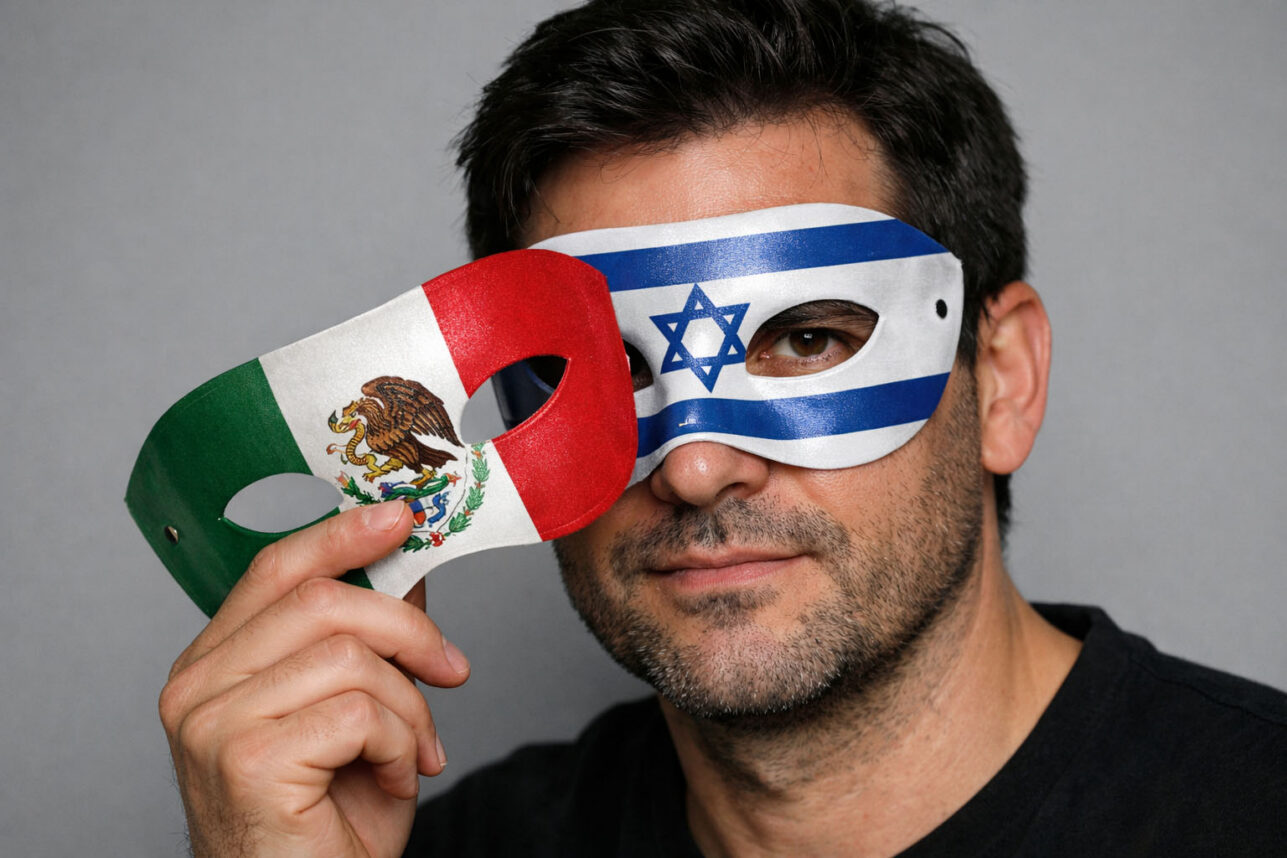
With Purim having just passed, I’ve been thinking about how Jews have been disguising ourselves over the years.

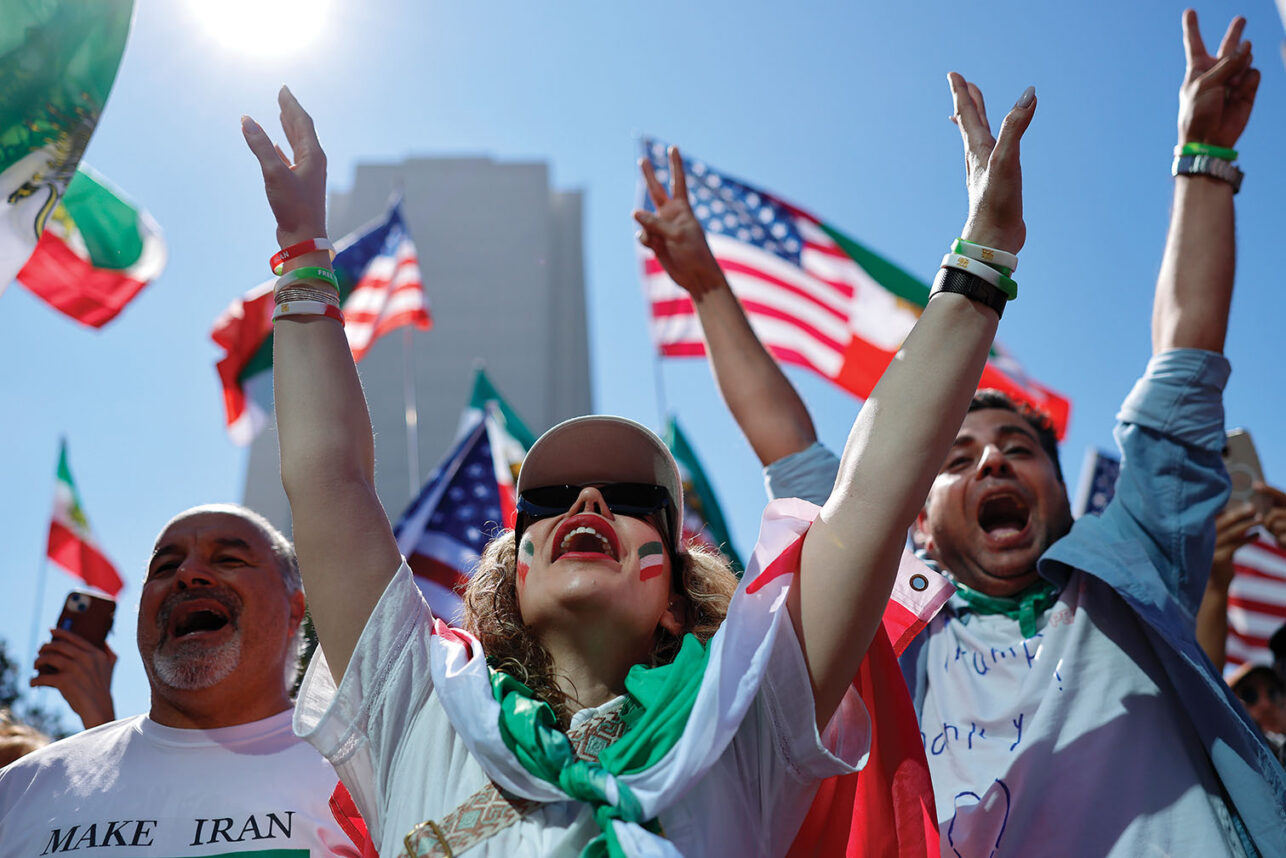
This moment calls for moral imagination. For solidarity with the Iranian people demanding dignity. For sustained support of those who seek a freer future.

We are struggling on two fronts: we worry about friends and family, and we are preoccupied with our own “survival” on a trip extended beyond our control.

In the film, Leo Woodall plays Niki White, a gifted young piano tuner in New York whose heightened auditory abilities allow him to detect even the faintest mechanical sounds.

Looking around at the tears, laughter, and joy after two years of hell, the show was able to not just touch but nourish our souls.

Neil Sedaka was born March 13, 1939 in Brooklyn, New York, the son of Mac and Eleanor Sedaka. His father was Sephardic and his mother Ashkenazi; Sedaka was a transliteration of the Hebrew “tzedakah.”

Can you imagine what it’s like to read about a Persian prime minister seeking to destroy the Jews – as the Jewish army is finally fighting back with the American army against the Persian Jew-haters?
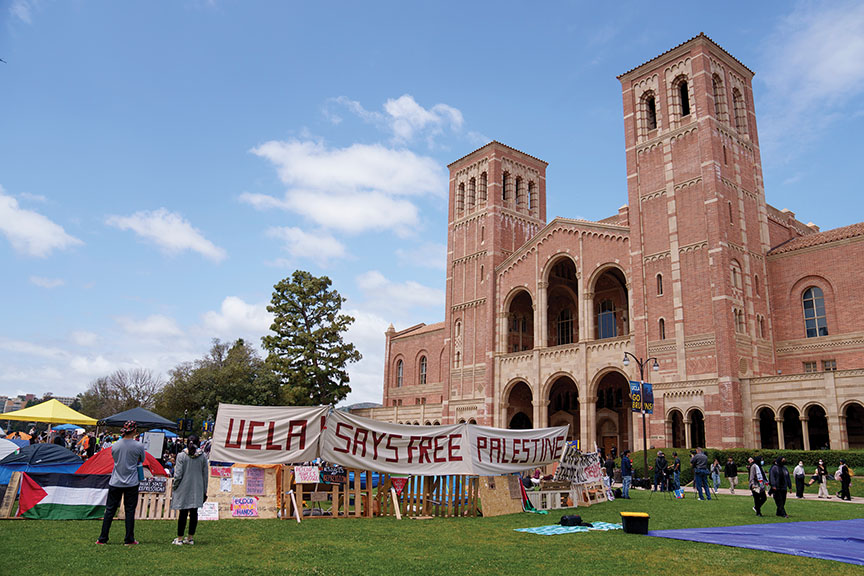
We write as current and former UC faculty, many of us in STEM fields and professional schools, in response to the release of When Faculty Take Sides: How Academic Infrastructure Drives Antisemitism at the University of California.
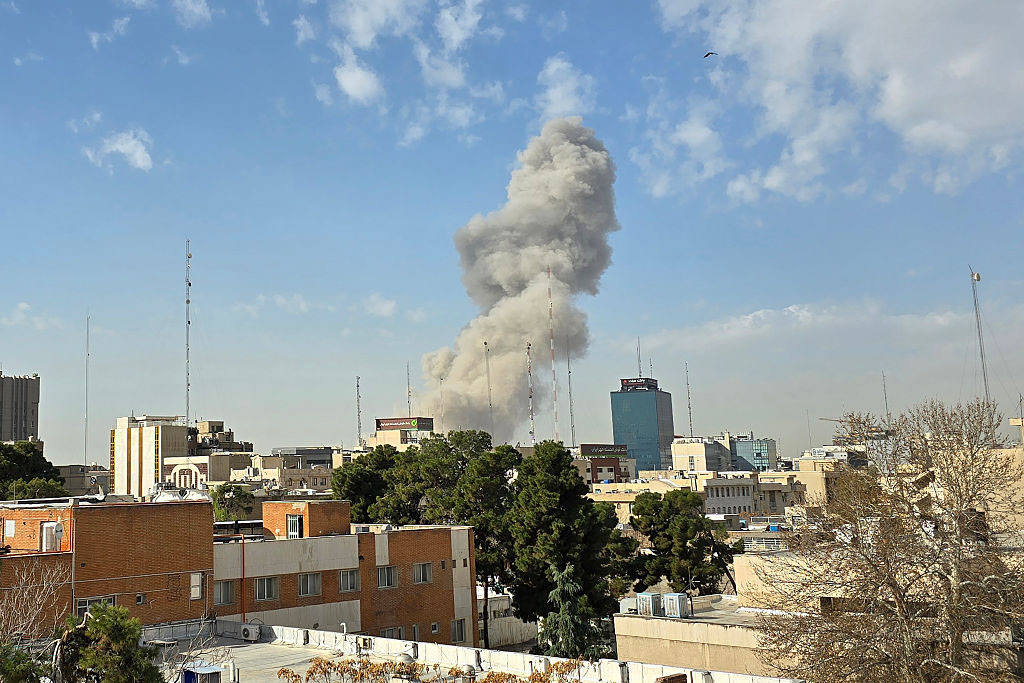
Most military experts agree that fully replacing an authoritarian theocracy is much more difficult than merely decapitating it.
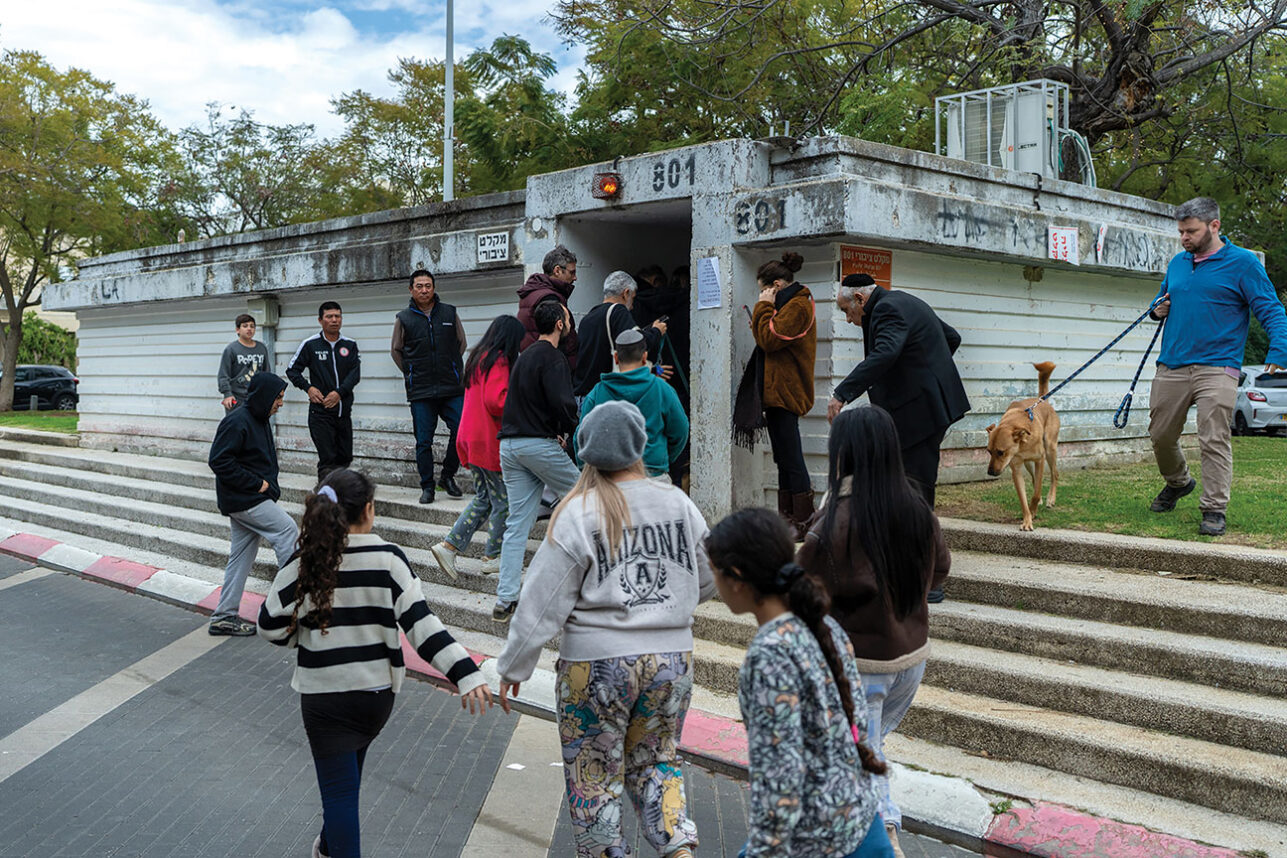
It turned out that this first round of sirens was a wake-up call, a warning that Israel and America were attacking – so we could expect a different day of rest than all of us had planned.
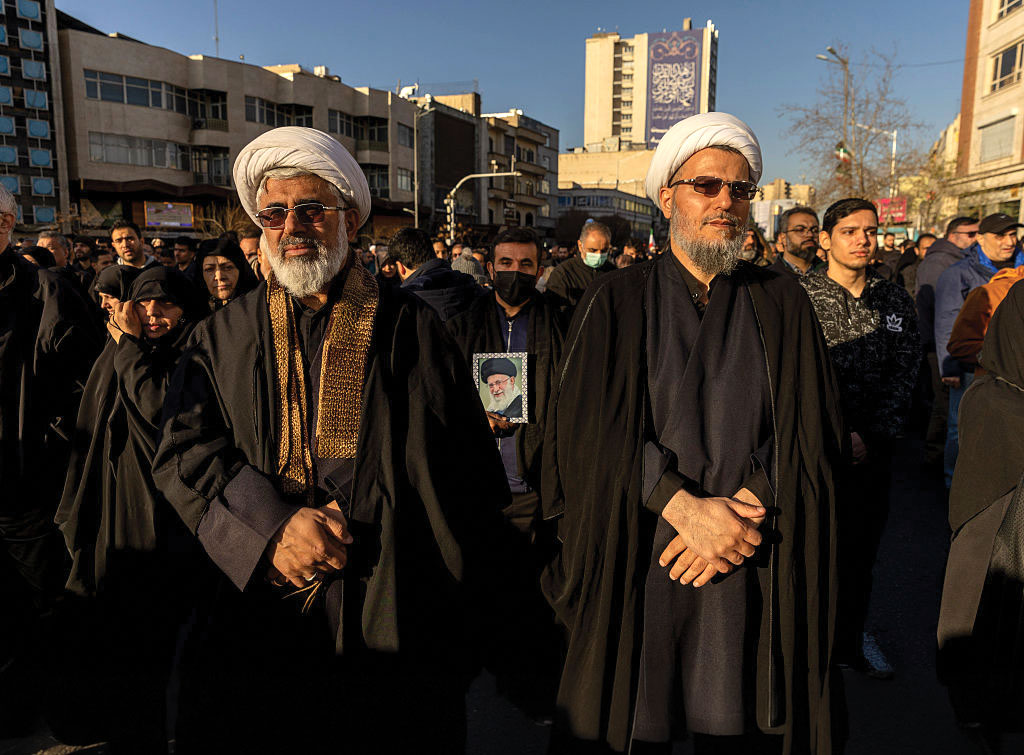
No matter what happens going forward, something as earth-shattering as the fall of the Soviet Union has already happened in the Middle East.
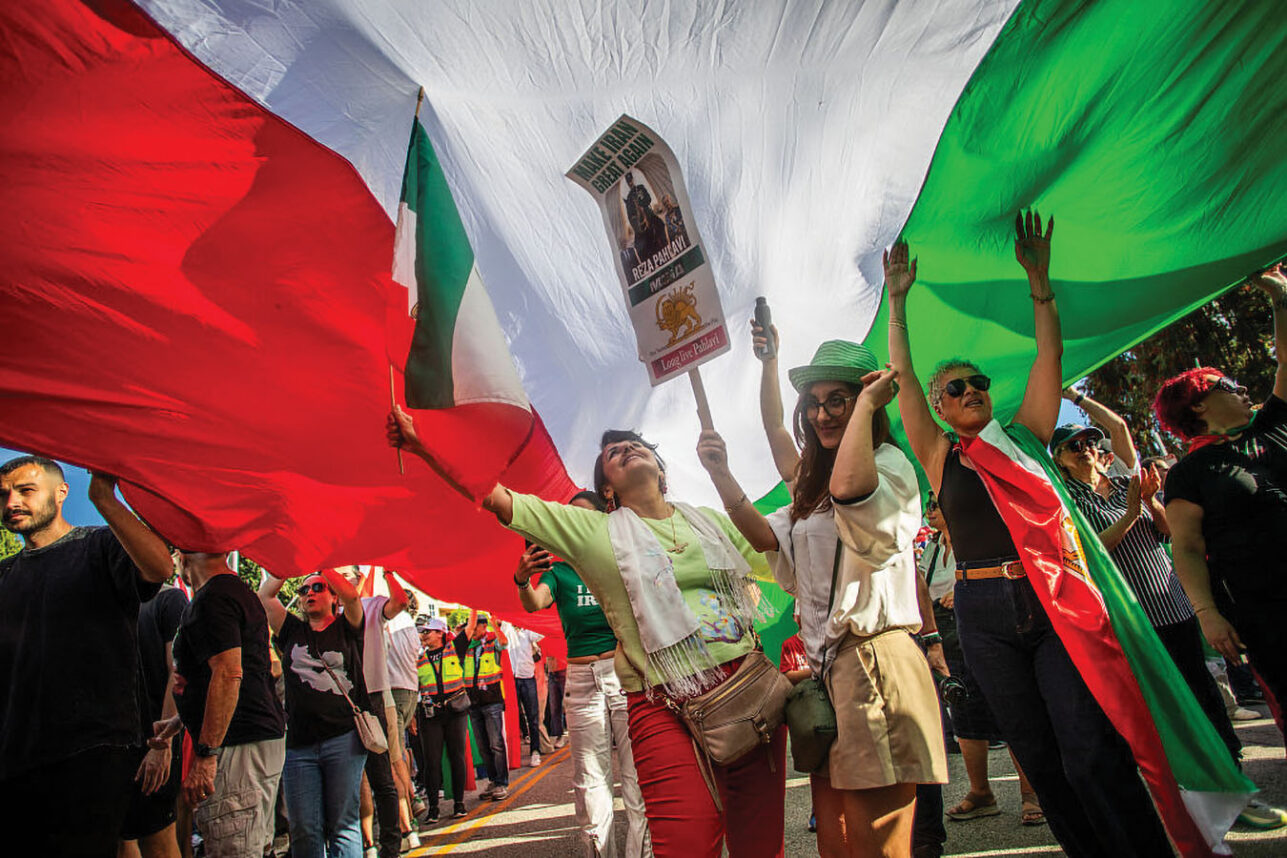
Though there was uncertainty about what would ensue in the days following, those interviewed by The Journal acknowledged the strikes against the Islamic Republic in Iran constituted a pivotal turning point in the history of the Middle East.
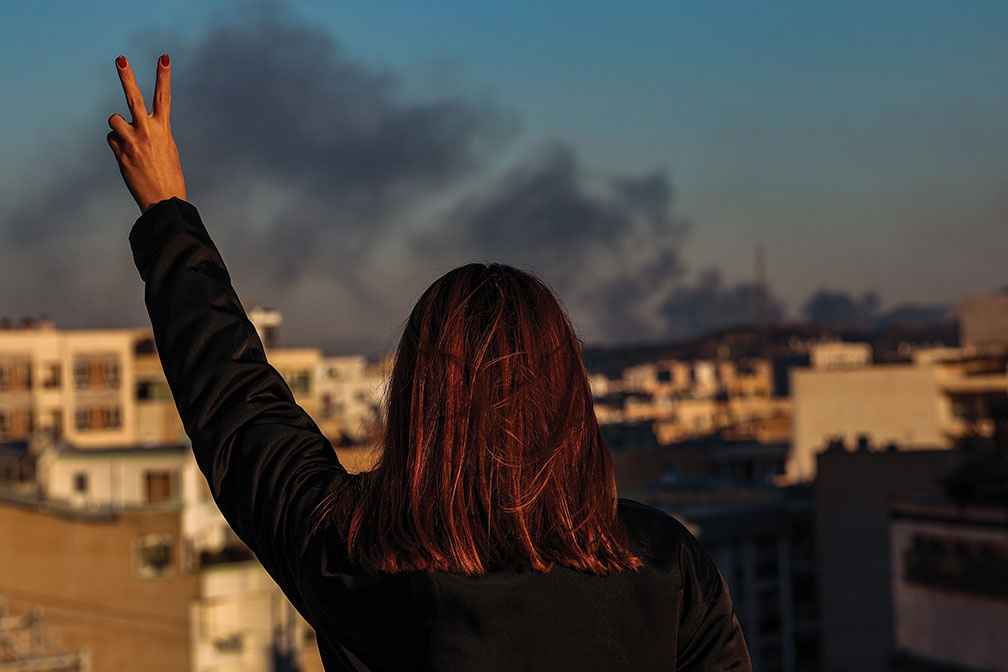
When Purim arrives at a moment of global tension connected to Iran, it lands differently.
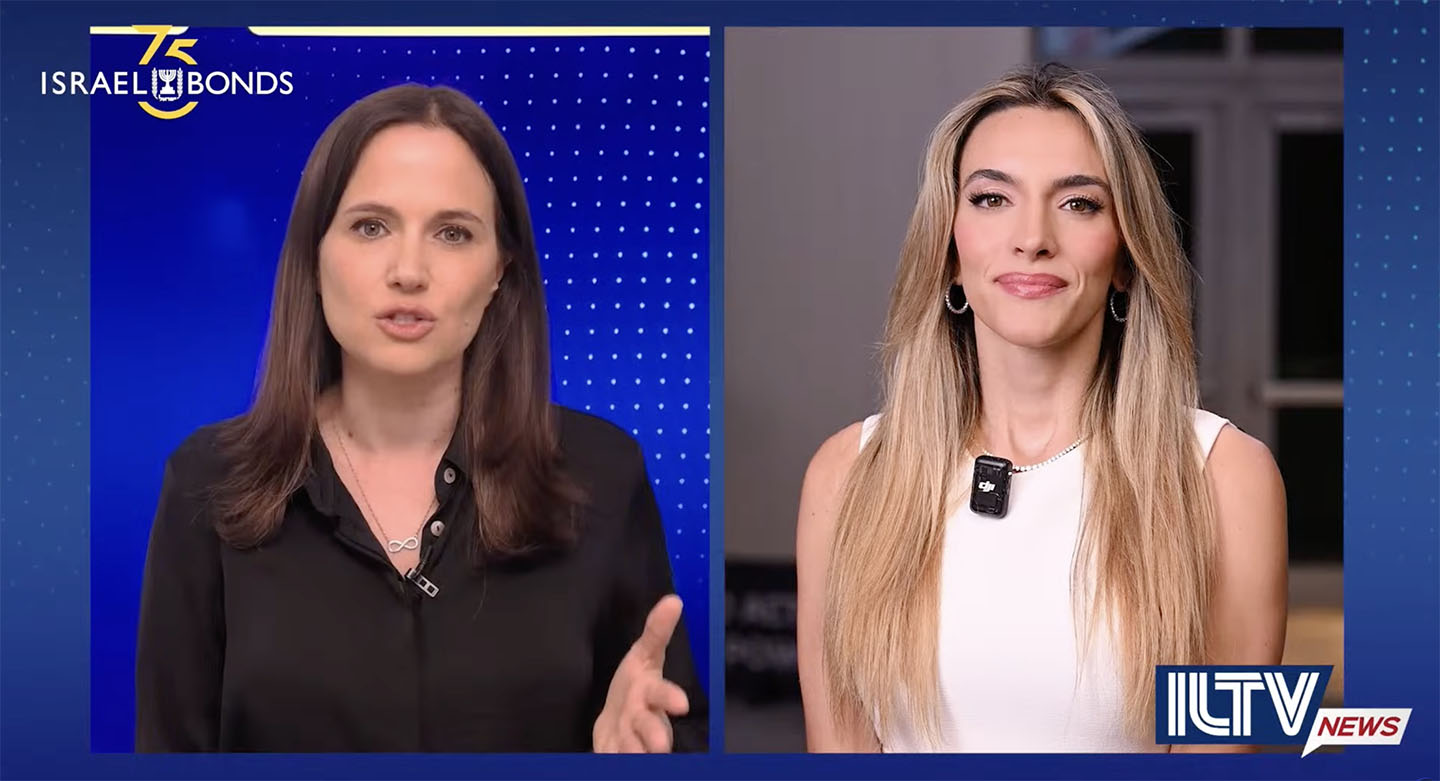
Austin’s ultimate goal is unity, even when the Jewish community feels divided.