










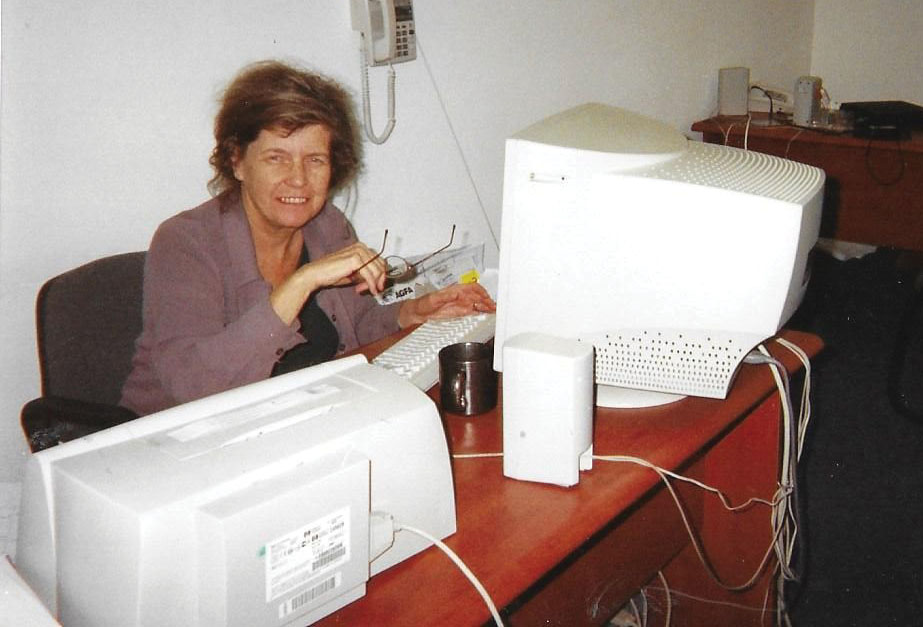
Furstenberg has been an iconic writer and editor in Israeli and American publications for decades, including for the L.A. Jewish Journal, and her death, even at the age of 90, on the eve of Rosh Hashana, deeply moved Jerusalemites who knew her.
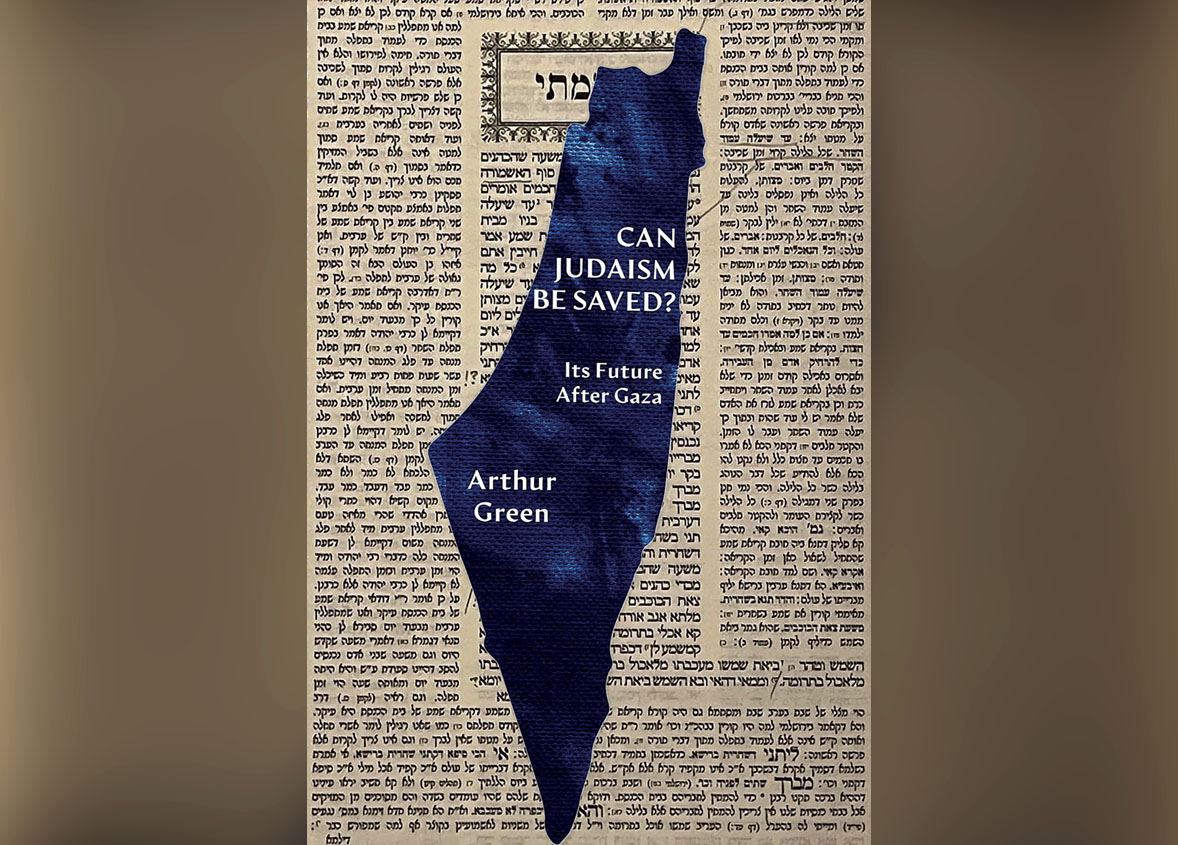
Arthur Green, “Can Judaism Be Saved: Its Future After Gaza” (Teaneck, NJ: Ben Yehuda Press, 2025) pp. 139.

The point of all this isn’t to replace the people who keep our institutions running. It’s to give them back the hours they spend being human copy machines, so they can spend those hours on the work only people can do.

This is more than a proposal to construct apartments. It is an invitation to reconsider what a Jewish institution can be.

The custom of eating stuffed vegetables on Simchat Torah is to symbolize the scrolls of the Torah filled with the wisdom of the holy text.

Exclusive After-Party

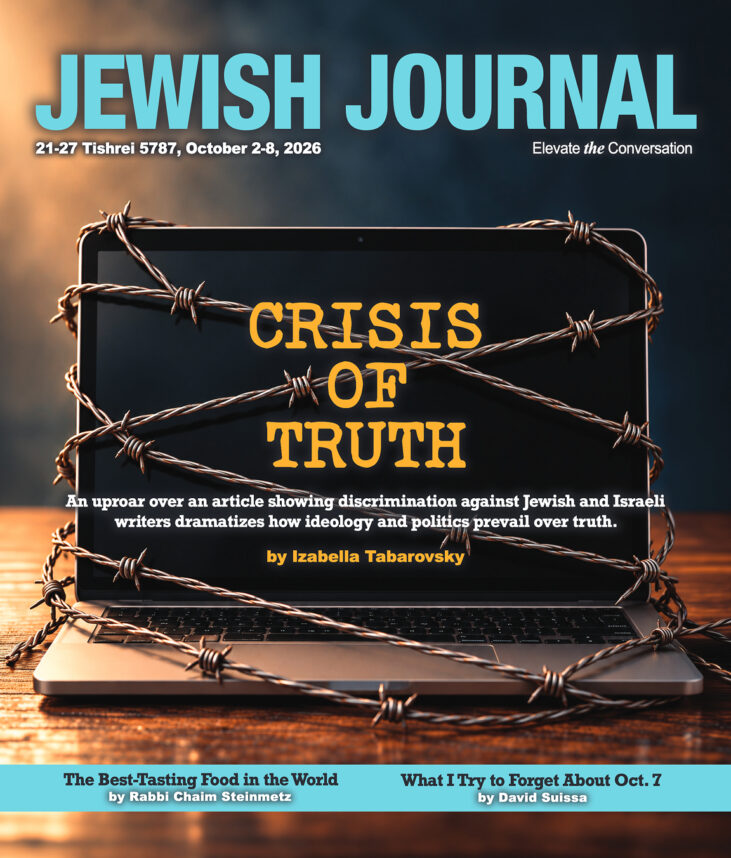
An uproar over an article showing discrimination against Jewish and Israeli writers dramatizes how ideology and politics prevail over truth.

Israelis are an impatient bunch, but their political processes can drag on and on – and on.

Saudi Arabia’s growing vulnerability presents Israel – and the United States – with an opportunity to deepen the partnership between two of the region’s most important forces against extremism.
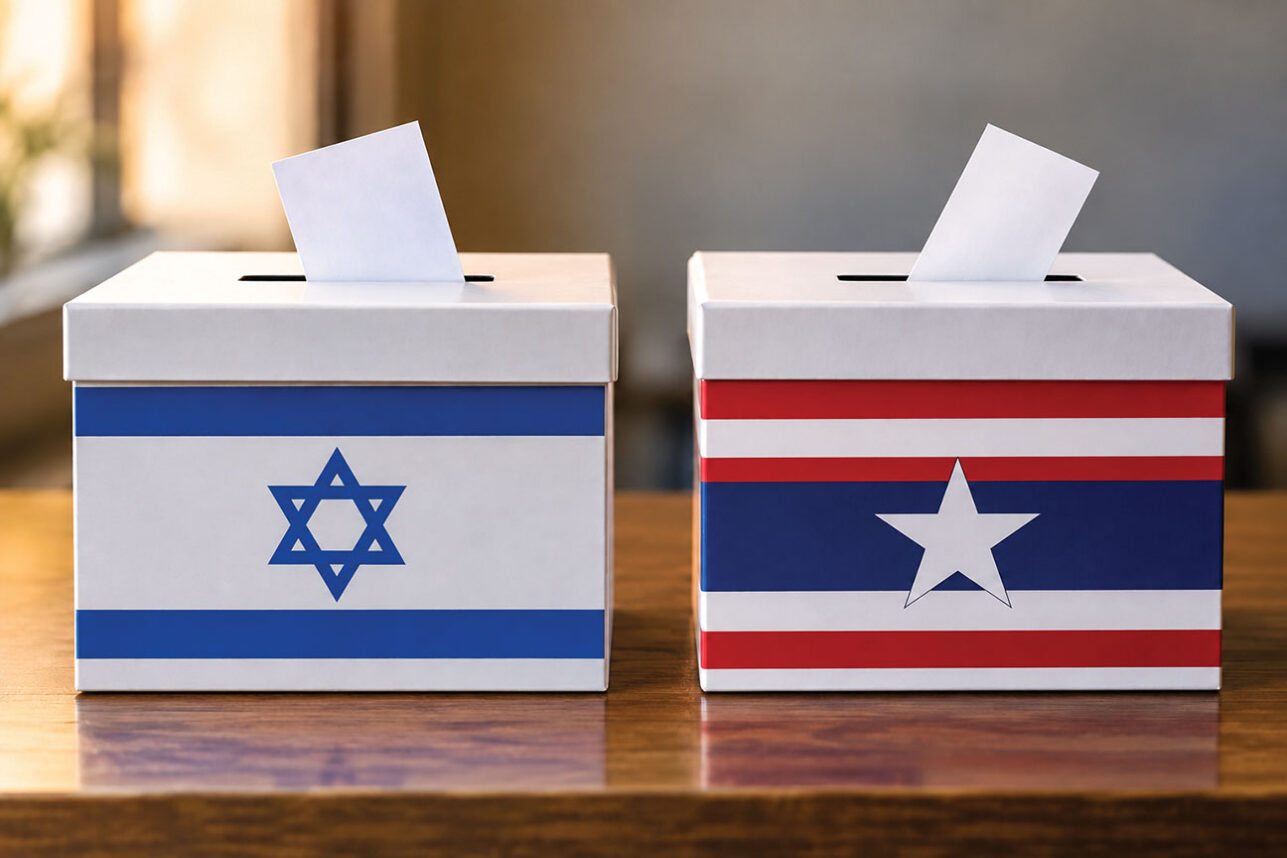
On October 27, Israelis will elect the 26th Knesset. A week later, on November 3, Americans will vote in pivotal midterm elections.
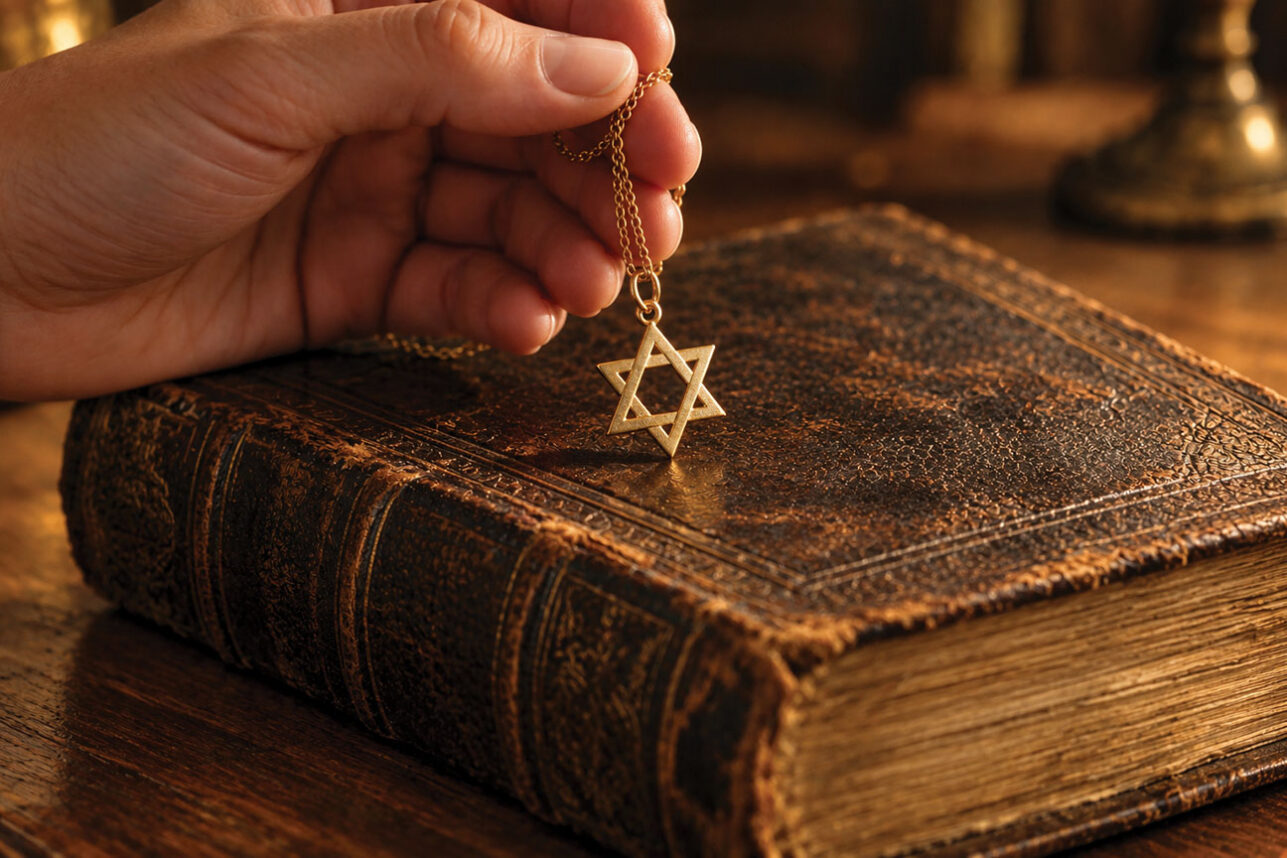
Shattering as it’s been, there’s something to be said for this abrupt return to biblicalness. By this awkward word I don’t mean belief in religion, necessarily, but appreciation for values that have fallen into disfavor in our supposedly enlightened age.

Israeli officials spent much of the day examining whether the incident aboard Flight FZ1073 was an attempted terrorist attack.

Here was an extraordinary chain of people of different nationalities whose actions resulted in lives being saved.

While we cannot choose when darkness comes, each one of us can choose how we respond to it.

In an instant, Mr. Lander went from being a fellow protester to being treated by some in the crowd as morally disqualified because of one word attached to him: “Zionist.”
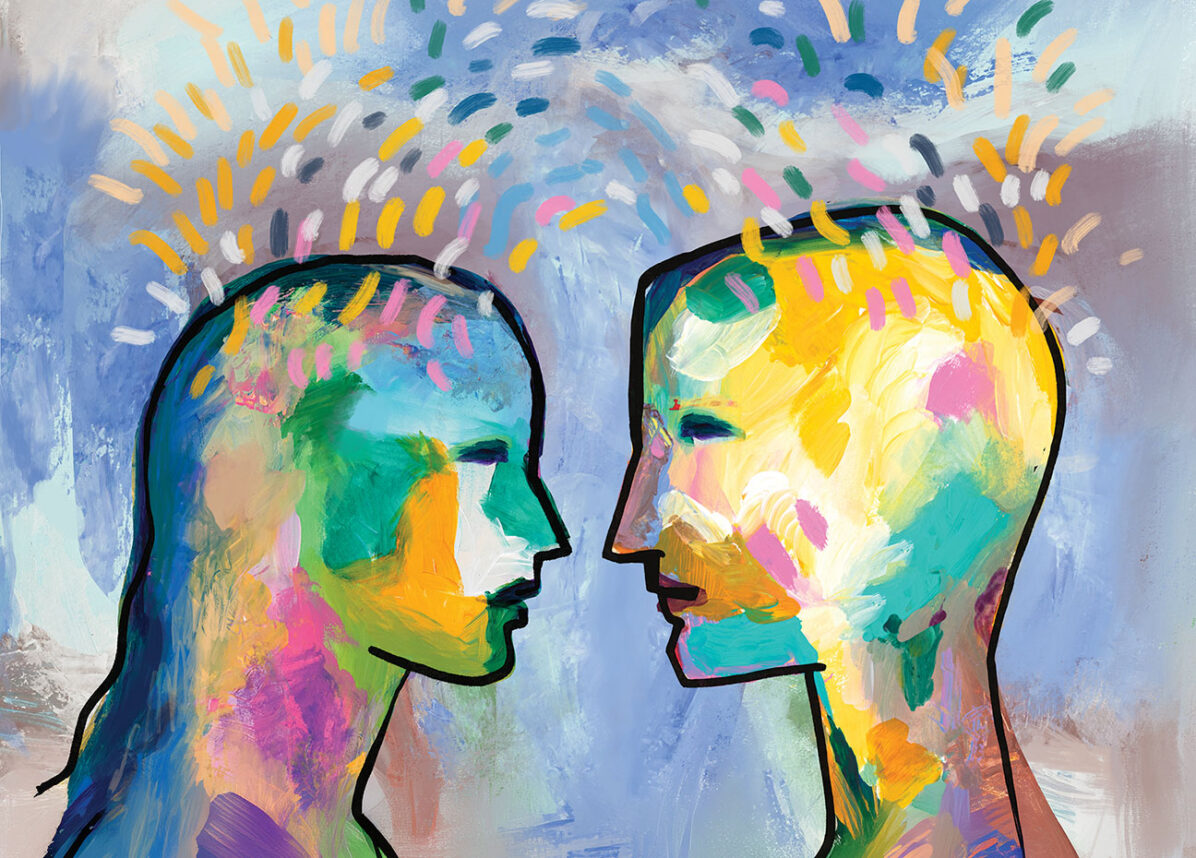
In our upside-down world, where truth is murdered by ideology, empathy is not merely lacking: it has been corrupted.
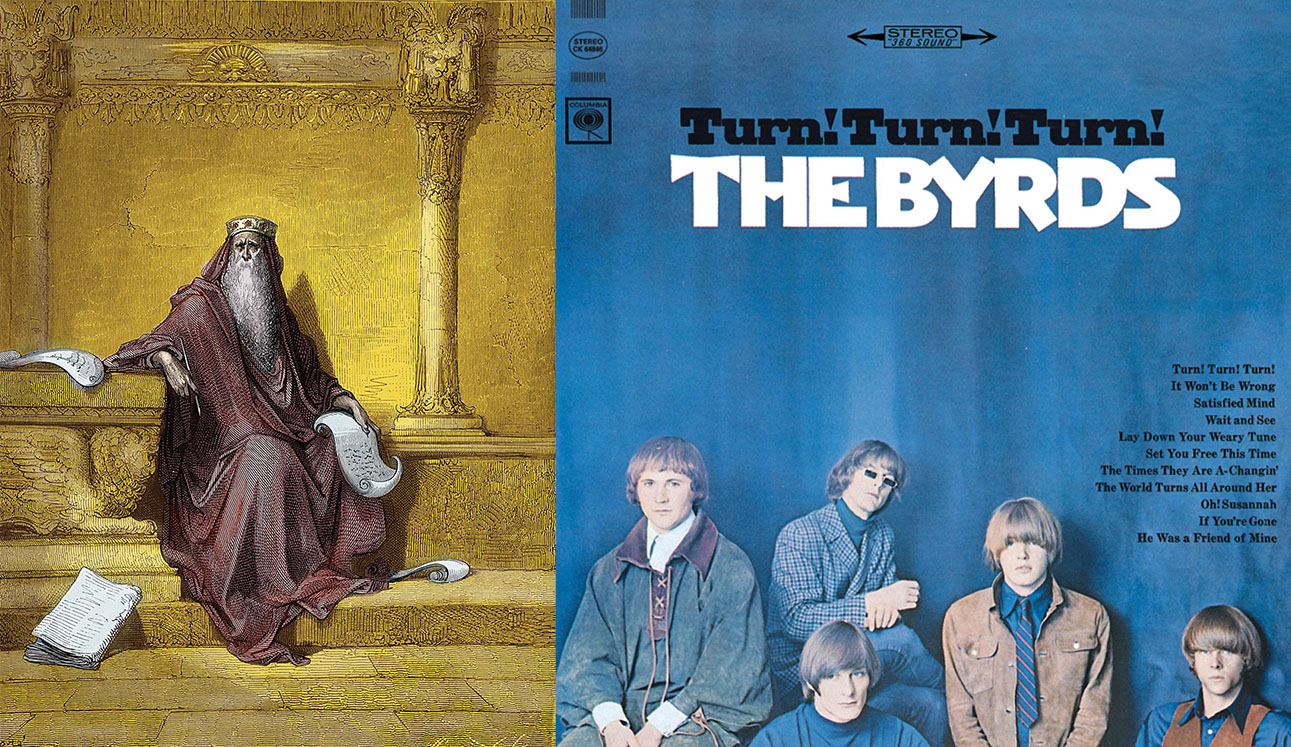
Pete Seeger, a brilliant lyricist, based the song “Turn! Turn! Turn!” on one of the Bible’s books of wisdom, Ecclesiastes, which was just read in synagogues across the globe over the Shabbat of Sukkot.
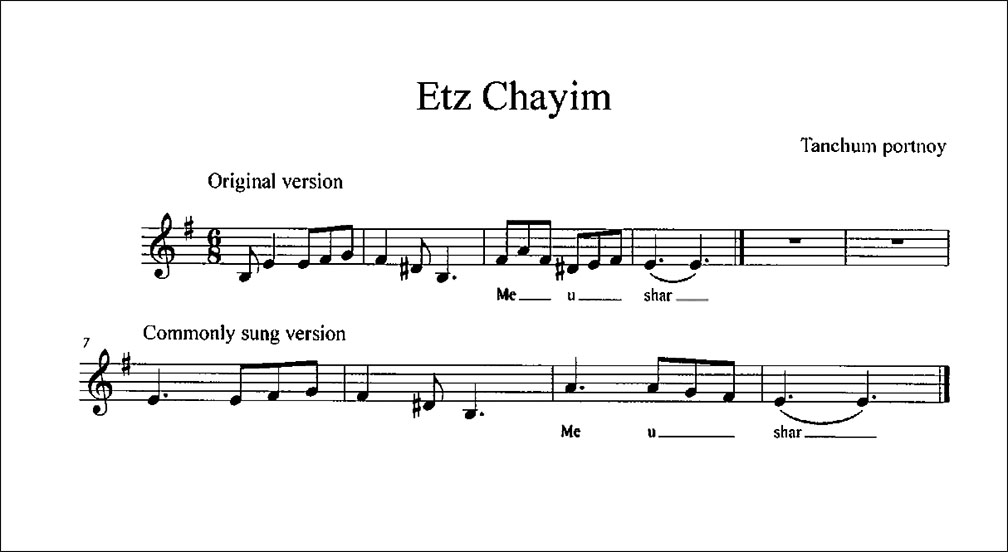
We do not actually sing the melody exactly as Tanchum wrote it.

There is room for every Jew. No one should be dismissed because his or her gifts have not yet become visible. No one should conclude that his or her contribution does not matter.
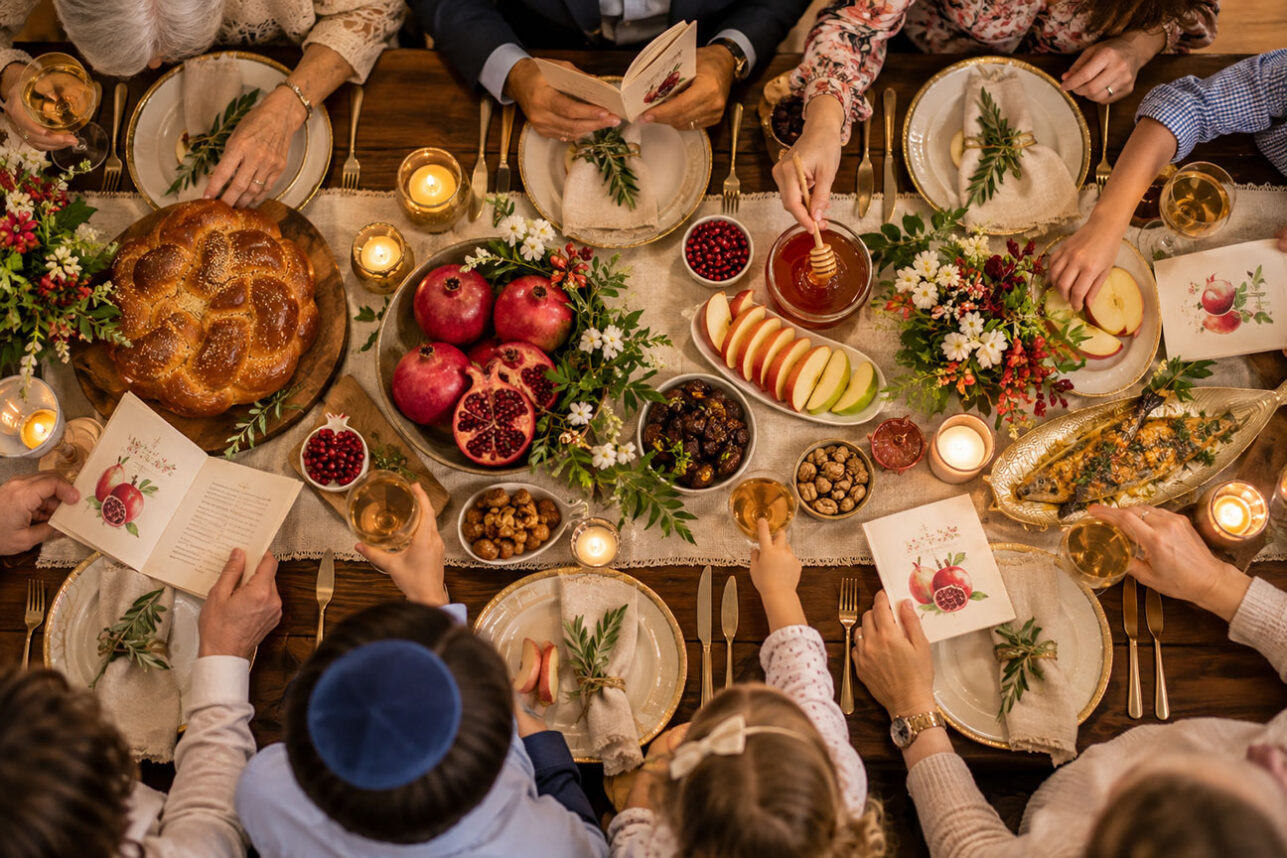
This is how we honor the memory of our ancestors, elevate our children, and fulfill our mission to heal the world